Trying to choose between a condo and a co-op in Back Bay? You are not alone. The buildings are beautiful, the rules vary, and the details affect everything from financing to monthly costs. In this guide, you will learn how each option works in Back Bay, what the board or association will expect, what documents to review, and how to decide which fits your goals. Let’s dive in.
Back Bay context and building types
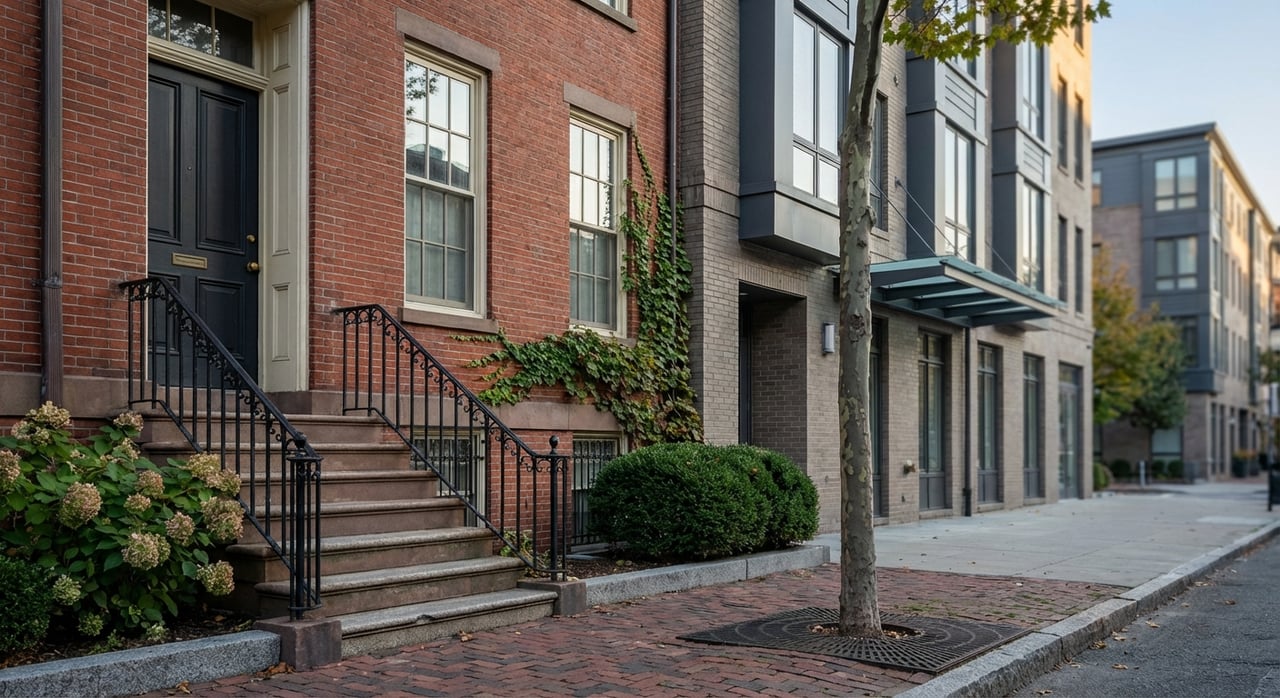
Back Bay is known for classic brownstones, elegant rowhouses, and historic masonry buildings. Many were converted to multiple residences decades ago, so you will find both condominiums and cooperatives throughout the neighborhood. Newer conversions and boutique developments are often structured as condos, while some older, classic buildings are co-ops.
Because Back Bay sits within a local historic district, exterior work often needs additional municipal approvals. This can add time and cost to renovation plans. Whether you buy a condo or a co-op, plan ahead if you hope to alter windows, façades, or other exterior features.
What you actually own
Condos: fee-simple title
When you buy a condo, you receive a deed to your individual unit plus an undivided interest in the common elements. You pay your own property taxes, carry an HO-6 insurance policy for the interior, and contribute to the association’s master insurance and shared expenses through condo fees. A board of trustees manages budgets, rules, and building upkeep.
Condo boards can set and enforce community rules. They typically have less power to block a sale. The association may request an application for records or insurance verification, but they rarely veto buyers.
Co-ops: shares plus a proprietary lease
When you buy a co-op, you purchase shares in a corporation that owns the building. Your ownership comes with a proprietary lease granting the right to live in a specific unit. You pay a monthly maintenance fee that often includes your share of building taxes, insurance, operating costs, and sometimes an underlying building mortgage.
A co-op board has broad discretion over admissions, subletting, renovations, and building policies. The board must approve your purchase, and it can accept, conditionally approve, or deny applicants.
Financing and down payments
Conventional mortgages for condos are widely available, but lenders will review the project for eligibility. Some loan programs have specific condo requirements that can affect your options. Co-ops can be financed too, though lenders underwrite them differently and fewer programs apply. Share loans or loans secured by your co-op interest are common.
Many Back Bay co-ops prefer higher down payments. A 20 to 30 percent down payment is typical, and boards may also require post-closing cash reserves. Condos often allow lower down payments depending on your loan program and the building’s eligibility. Always confirm financing and project status before you write an offer.
Board approval vs. association review
Co-op board approval
Expect a formal application packet with financial statements, bank statements, tax returns, employment verification, and reference letters. The board may verify references, review credit, and schedule a personal interview. Approval can be unconditional, conditional, or denied.
Build extra time into your contract. Board review and interview windows often run 2 to 6 weeks, and some take longer. If you need financing, check whether the board has lender or loan-to-value restrictions.
Condo association review
Condo associations may require an owner application, proof of insurance, and a short review period. They focus on compliance and building records. Associations rarely have the right to veto a buyer the way co-op boards do.
Living rules, rentals, and renovations
Co-ops in Back Bay often restrict subletting or cap the percentage of renter-occupied units. If you plan to rent the unit in the future, review these policies closely. Condos typically offer more flexibility, though each building has its own rules and any city requirements still apply.
Renovations vary by building. Many co-ops have stricter standards for interior work and approval timelines. Both condos and co-ops in Back Bay must follow local historic guidelines for exterior changes. Plan for that when budgeting and scheduling.
Cost comparison: how fees work
With condos, you pay your own property taxes directly and a monthly condo fee for operating costs, reserves, insurance, and common-area upkeep. Special assessments can occur for major projects like roof or façade work.
With co-ops, your monthly maintenance typically bundles several items. It often covers your share of property taxes, the building’s mortgage, insurance, utilities, staffing, and reserves. Ask for a clear breakdown of what the fee includes and how much is allocated to taxes and debt service.
Documents to request before you offer
Being thorough early will save you time and money later. Request documents before you write an offer or as a contingency in your agreement.
For condos
- Master deed or declaration, and the site plan or plat
- Bylaws plus rules and regulations
- Current and prior-year budgets, recent financial statements
- Reserve study or current reserve balance with recent contributions
- Minutes from board and owner meetings for the past 6 to 12 months
- Master insurance policy and details on owner HO-6 requirements
- Disclosure of current or pending special assessments and capital projects
- Management agreement and manager contact information
- Owner-occupancy percentage, investor-owned unit count, and parking allocations
- Any FHA, VA, or project approvals that matter for your financing
For co-ops
- Proprietary lease, corporate articles, and bylaws
- Share certificate form and purchase agreement template
- Current budget and most recent audited financial statements
- Minutes from board and shareholder meetings for the past 6 to 12 months
- Schedule of monthly maintenance fees and what those fees include
- Details on any underlying building mortgage and current balance
- Reserve fund balances and any capital plan or reserve study
- House rules, subletting and pet policies, and any flip-tax or transfer fees
- Application form and list of required documents for approval
- Disclosure of any current or pending litigation
- Management company contract or identity of on-site manager
Key questions to answer from the paperwork
- How healthy are reserves compared to building age and upcoming projects?
- Does the co-op have an underlying mortgage, and what are the terms?
- What portion of monthly fees covers taxes, operating costs, and debt service?
- What are the rules for renovations, historic approvals, and move logistics?
- Are assessments pending, and how frequent have past assessments been?
- What are the subletting rules and owner-occupancy ratios?
Pros and cons in Back Bay
Why buyers choose condos
- Wider appeal with traditional fee-simple ownership and a recorded deed
- More flexible financing with potentially lower down payments
- Easier resales because associations have limited power to refuse buyers
Why buyers choose co-ops
- Stronger governance that can preserve building quality and standards
- Monthly maintenance that simplifies bills by bundling taxes and other costs
- Historic buildings that may retain more original character and continuity
Tradeoffs to keep in mind
- Condos: you handle your unit taxes directly and interior upkeep, and associations can still levy assessments.
- Co-ops: you face a board approval process, often larger down payments, fewer financing options, stricter rental rules, and shared responsibility for any underlying building debt.
Buyer scenarios: which fits your goals
- First-time buyer planning to live in the home: a condo often feels simpler due to financing options and easier resale. A co-op can work if you meet the board’s financial standards and are comfortable with the process.
- Move-up buyer seeking a long-term home: a co-op may be appealing if the board and financials are strong. A condo fits when you value flexibility or specific loan programs.
- Investor or buyer who may rent in the future: a condo usually offers more rental flexibility and simpler financing.
- Buyer who values historic character and a tightly managed building culture: a co-op may align if you fit the board’s criteria and timing.
Red flags to watch
Financial warning signs
- Weak cash flow, large recurring deficits, or low reserves
- Large underlying co-op mortgages with short-term balloons or delinquency
- Frequent or large special assessments in recent years
- Lack of audited financials in larger or older buildings
Governance and transparency red flags
- Missing minutes or reluctance to share reasonable documentation
- Ambiguous rules or unusually restrictive policies on subletting
- Current or pending litigation involving the association or corporation
Physical and project concerns
- Major projects without a clear funding plan, such as façade or roof work
- Visible deferred maintenance that does not match reported reserves
Local and regulatory constraints
- Delays tied to historic approvals for planned work
- Building policies that conflict with city requirements or extend timelines
Quick checklist for your first tour
- Who manages the building, and how responsive are they?
- What do monthly fees cover, and are any assessments planned?
- What is the owner-occupancy rate and current subletting policy?
- Are there recent capital projects or pending projects you should know about?
- Is there any ongoing litigation or anticipated rule changes?
Working with a local advisor
Back Bay’s condo and co-op choices reward careful planning. When you line up the right financing, review documents early, and understand board expectations, you avoid delays and protect your investment. A local advisor helps you compare buildings, set realistic timelines, and negotiate terms that fit the board or association process.
If you are weighing a condo versus a co-op, put experience on your side. Connect early for document checklists, lender introductions, and a showing plan centered on your goals. When you are ready to visit properties or want a second opinion on a building’s financials, reach out to Samantha Berdinka for tailored guidance.
FAQs
What is the key difference between a Back Bay condo and co-op?
- A condo gives you a deed to your unit and an interest in common areas, while a co-op gives you shares in a corporation plus a proprietary lease for your unit.
How do co-op down payments compare to condos in Back Bay?
- Co-ops often require 20 to 30 percent down and strong reserves, while condos may allow lower down payments depending on the loan program and project eligibility.
How long does a co-op board approval take in Boston?
- Plan for 2 to 6 weeks for review and scheduling, and note that some boards require more time depending on application volume and interviews.
Are condos easier to resell than co-ops in Back Bay?
- Generally yes, because buyers have more financing options and condo associations have limited power to refuse purchasers.
Can I rent out a Back Bay co-op unit?
- Often there are restrictions or caps on subletting, so review the co-op’s house rules and policies before you buy if renting is important to you.
Do renovations in Back Bay require special approvals?
- Exterior changes often need approval from local historic authorities in addition to association or board consent, which can add time and cost to your project.