Torn between Back Bay and the South End? You are not alone. Both neighborhoods deliver classic Boston charm, walkable streets, and easy access to work, dining, and culture. The real difference comes down to how you want to live day to day. In this guide, you will compare lifestyle, streetscapes, parks, housing types, amenities, commuting, and budget signals so you can pick the right fit with confidence. Let’s dive in.
Neighborhood vibe and streetscape
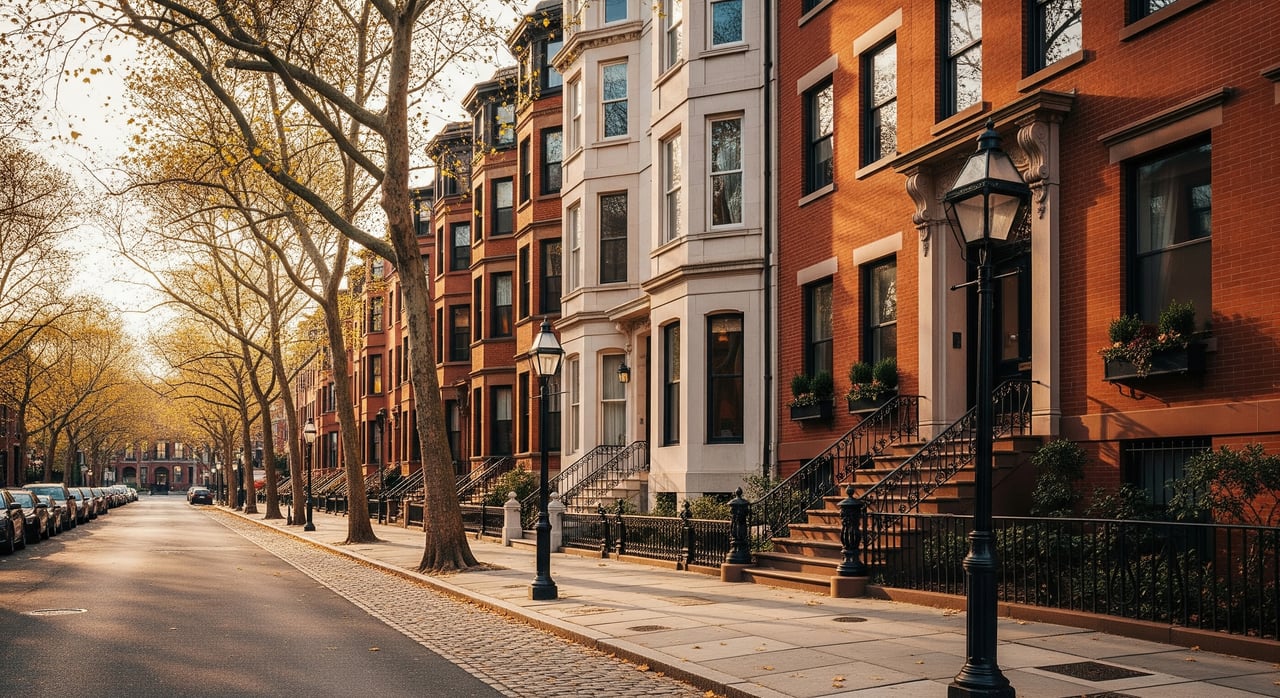
Back Bay feels formal and polished. You will see long, grand boulevards like Commonwealth Avenue, elegant brownstones, and landmark spaces such as Copley Square. Newbury Street and the Prudential area create a strong retail presence and steady daytime foot traffic.
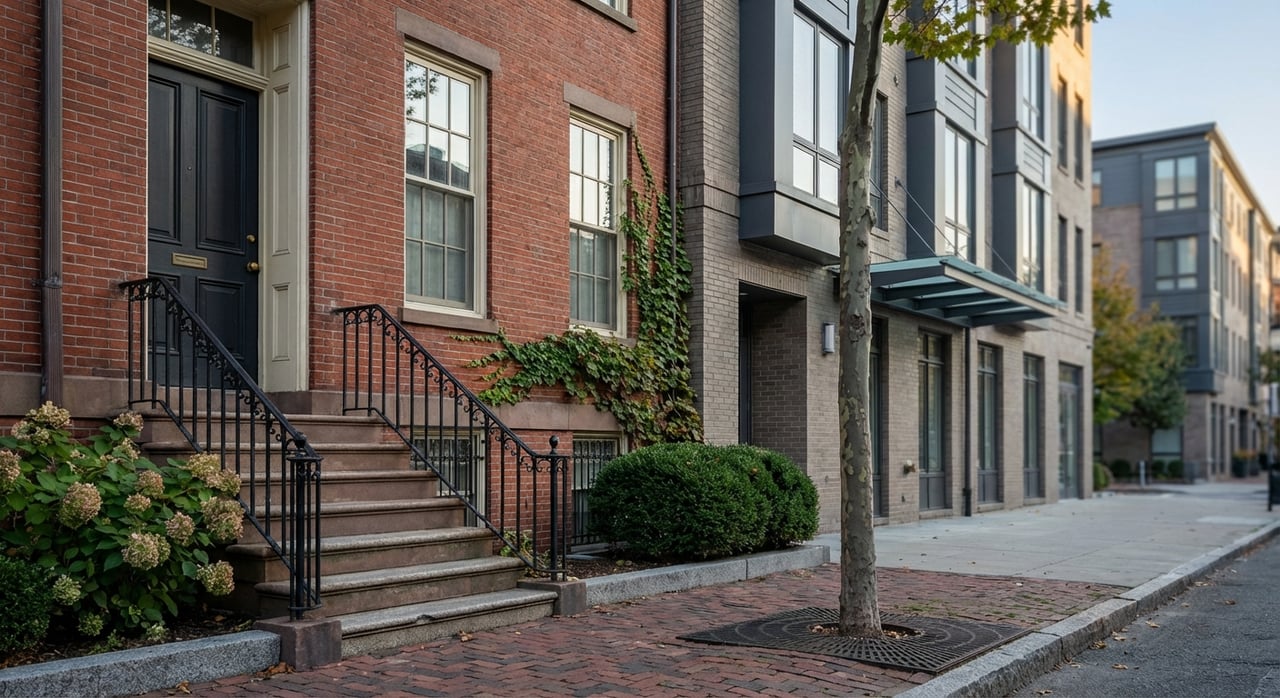
The South End reads as intimate and residential. Think narrow, tree-lined streets with rows of Victorian townhouses, mid-block community gardens, and converted lofts. The scale is smaller, the pace is calmer, and the vibe leans creative and neighborhood-focused.
If you prefer a highly programmed, prestige environment with a commercial heartbeat, Back Bay will resonate. If you want a quieter, arts-and-dining energy with a strong local feel, the South End may be your match.
Green space and outdoors
Back Bay gives you large destination parks within a short walk. The Commonwealth Avenue Mall offers a linear, tree-lined park experience, and you are close to the Boston Public Garden, Boston Common, and the Charles River Esplanade. These spaces support jogging, dog walking, outdoor events, and river access.
The South End offers a network of smaller parks and community gardens sprinkled throughout the neighborhood. You will find local squares, playgrounds, and the Southwest Corridor Park for biking and walking. It is more about frequent, close-to-home green pockets than grand lawns.
Choose Back Bay if big civic parks and riverside paths matter most. Choose the South End if you value smaller neighborhood greens within a block or two.
Dining, culture, and retail
Back Bay shines for shopping. You have Newbury Street boutiques, the Prudential Center, and many upscale, hotel-driven restaurants. The nightlife leans polished, and services are abundant.
The South End is widely known for its dining scene. You will find a dense mix of chef-driven restaurants, popular brunch spots, and a creative arts district around SoWa with galleries and seasonal markets. Retail is more local and art-forward than flagship luxury.
If your calendar revolves around shopping and classic hospitality, Back Bay fits. If you want varied, independent dining and a creative circuit, the South End delivers.
Homes and buildings: what to expect
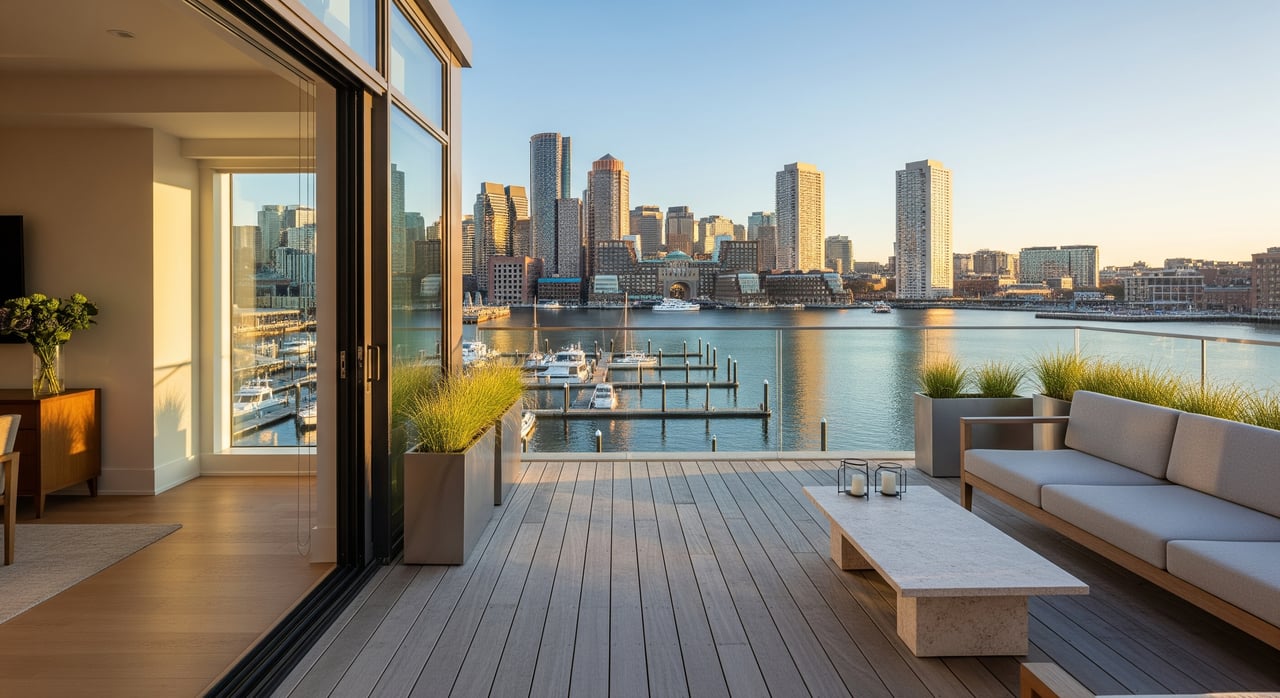
Back Bay’s homes are a blend of historic brownstones and luxury high-rise condominiums. In full-service buildings, you can expect concierge or doorman services, fitness centers, and sometimes pools or valet. In older conversions, kitchens can be compact, and layouts may stack vertically across multiple levels.
The South End is rich in townhouse conversions and lofts. Many floor plans are single-level or floor-through, with higher ceilings and exposed brick in some conversions. You will also see newer infill buildings near Washington Street and SoWa with modern finishes.
Think about how you like to live at home. If elevators, services, and views top your list, Back Bay towers are a strong fit. If you prefer historic character, generous room sizes, or loft-style space, South End options may align better.
Amenities, fees, and parking
Full-service Back Bay buildings usually come with higher monthly association fees that cover staff and amenities. South End townhouse associations may have lower dues but fewer amenities and more variability in reserves and capital planning.
Parking is limited and expensive in both neighborhoods. Many homes do not include deeded parking. Garage or valet parking is more available in Back Bay towers, often at additional cost. Decide early whether you need deeded parking or are comfortable with permitted street parking or car-free living.
Before you offer, review association bylaws for rental rules, pet policies, and any investor restrictions. Ask about reserve studies, recent special assessments, and planned capital projects.
Commute and transit
Back Bay is a major transit hub. Back Bay Station offers commuter rail and Amtrak service, and you are close to multiple MBTA Green Line stops and the Orange Line. Access to the Mass Pike, airport routes, and bus corridors is straightforward.
The South End is highly walkable and bikeable, with quick access to nearby transit lines depending on your exact address. You can walk to Back Bay or Prudential stations from some blocks, reach the Orange Line or Silver Line from others, and use the Southwest Corridor Park for bike commuting.
If you need regular commuter rail or Amtrak, Back Bay offers unmatched convenience. If your commute is within the urban core and you value walking and biking, the South End may work just as well.
Buyer decision tools
Use these simple frameworks to get clarity fast.
Priority checklist
Answer yes or no to each:
- Lifestyle: Do you want a polished, retail-forward environment (Back Bay) or a creative, neighborhood-focused scene (South End)?
- Home type: Do you need elevator access and services (Back Bay) or prefer larger single-level layouts and historic fabric (South End)?
- Outdoors: Do you prefer big civic parks and river access (Back Bay) or frequent local greens and community gardens (South End)?
- Commute: Do you require commuter rail or specific MBTA lines within a short walk?
- Budget: Are you prepared for premium tower pricing and higher HOA fees (Back Bay) or more varied price points in townhouse conversions (South End)?
- Parking: Is deeded parking a must-have?
- Investment: Do condo bylaws support your rental or holding strategy?
Weighted decision matrix
- List your 6 to 8 criteria such as commute, home type, vibe, parks, dining, budget, parking, and investment.
- Assign each a weight from 1 to 5 based on importance.
- Score Back Bay and the South End from 1 to 5 for each criterion.
- Multiply score by weight, then total each neighborhood. The higher score signals your likely fit.
Time-in-neighborhood test
- Spend a full weekend in each area. Walk mornings, afternoons, and evenings.
- Shop local grocery stores and grab coffee to feel the rhythm.
- Test your typical commute routes at realistic times.
- Visit a local event or market. Notice how you feel in each place.
Sample budget scenarios
These examples show common tradeoffs you might consider. Your actual budget will depend on current market conditions and building specifics.
Scenario A: Entry-level buyer
- Likely fit: A compact one-bedroom or studio in a South End townhouse conversion or a smaller one-bedroom in a Back Bay conversion.
- What you get: Efficient footprint, possibly limited storage, and no deeded parking. South End conversions may offer better space per dollar, while Back Bay can work if you target smaller units.
Scenario B: Move-up buyer or couple
- Likely fit: A larger two-bedroom in a South End townhouse or loft, or a mid-floor two-bedroom in a full-service Back Bay building.
- What you get: More living space and larger bedrooms in the South End, or building services and proximity to commuter rail in Back Bay. Weigh HOA fees and potential parking costs.
Scenario C: Luxury buyer
- Likely fit: A high-floor Back Bay tower home near the Prudential corridor, or a fully renovated South End townhouse with premium finishes.
- What you get: In Back Bay, expect concierge services, possible valet, and skyline or river views, with higher condo fees. In the South End, expect privacy, craftsmanship, and historic character at premium pricing.
Condo due diligence checklist
Before you move forward, review these items with your advisor:
- Association financials and meeting minutes for the last 12 to 24 months.
- Reserve studies and recent or planned special assessments.
- Bylaws for rentals, subletting, and pet policies.
- Parking details, storage options, and any monthly fees.
- Noise patterns and street activity at different times of day.
- Natural light, window orientation, and ventilation in historic units.
- Elevator access and reliability for towers, plus recent capital improvements.
How to choose with confidence
A smart choice starts with clarity on how you live. Do you want a prestige address with full-service amenities and landmark parks at your door, or do you prefer historic townhouse streets, local greens, and a dense restaurant scene? Align your priorities, test them on the ground, and weigh the building-level tradeoffs like HOA fees, reserves, and parking.
When you are ready to compare specific homes and associations side by side, connect with a local advisor who knows these micro-markets well. For a private consult, neighborhood tours, and a curated list of condos that fit your lifestyle and budget, reach out to Samantha Berdinka.
FAQs
What is the main difference in neighborhood feel?
- Back Bay is formal and retail-forward with grand boulevards, while the South End is intimate and residential with tree-lined streets and community gardens.
Which area has better access to big parks?
- Back Bay is closer to larger civic spaces like the Public Garden, Boston Common, and the Esplanade, while the South End offers many smaller neighborhood parks.
How do condo amenities and fees compare?
- Back Bay’s full-service buildings often have higher fees that cover staff and amenities, while South End townhouse condos may have lower dues and fewer services.
What should I expect for parking in each area?
- Deeded parking is scarce and costly in both neighborhoods; Back Bay towers may offer garage or valet options at additional cost, and many homes lack assigned spaces.
Are most buildings elevator-accessible?
- Many Back Bay towers have elevators, while South End townhouse buildings often do not. If mobility needs matter, prioritize elevator access in your search.
How do commuting options differ?
- Back Bay has a major transit hub with commuter rail, Amtrak, and multiple MBTA lines nearby. The South End is highly walkable with access to transit depending on exact location.
What should I review before making an offer on a condo?
- Examine association financials and minutes, reserve studies, bylaws on rentals and pets, parking details, expected assessments, and building maintenance history.