Trying to decide between Wellesley and Newton can feel like choosing between two great options. You want the right mix of commute, schools, lifestyle, and long-term value, and both towns deliver in different ways. In this guide, you’ll get a clear, side-by-side look at the tradeoffs so you can move forward with confidence. Let’s dive in.
Quick town snapshots
Newton at a glance
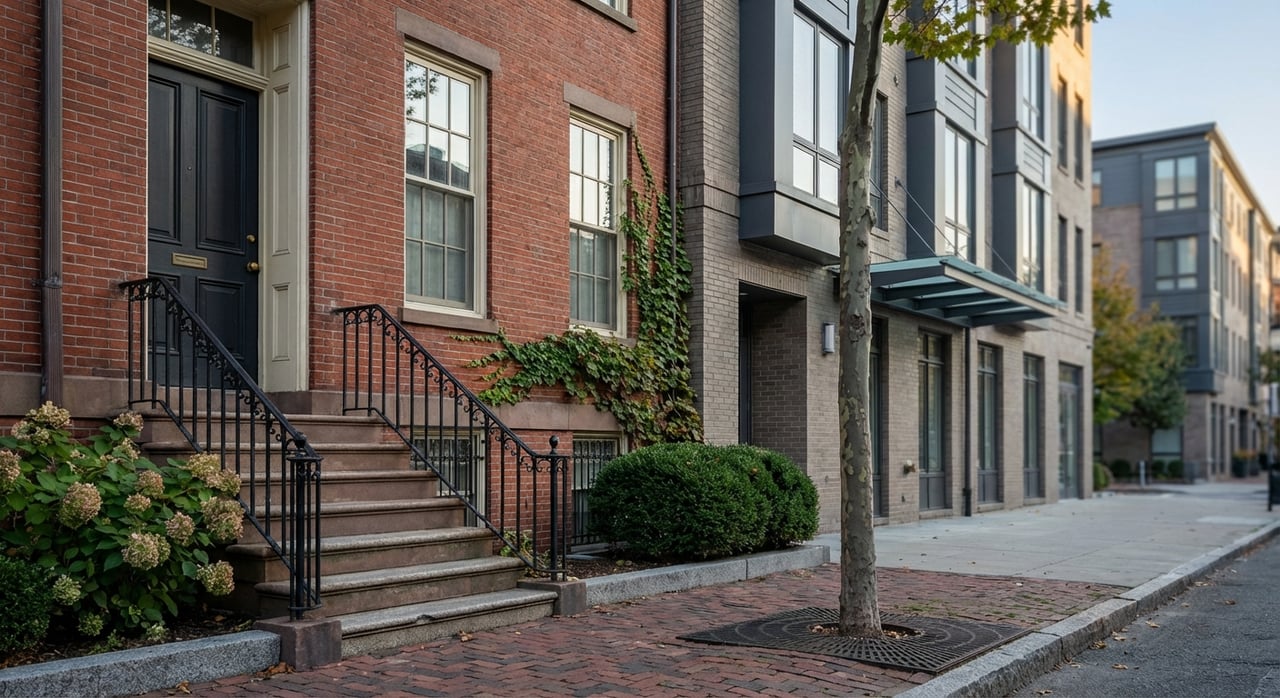
Newton is a larger, close-in suburb just west of Boston with multiple village centers. You’ll find a wide mix of housing types and price points across these villages. Many neighborhoods offer walk-to-shops convenience and frequent Green Line access. The overall feel blends suburban streets with small, lively commercial nodes.
Wellesley at a glance
Wellesley is a smaller, affluent town further west with a concentrated downtown around Wellesley Square. Single-family homes on larger lots are common, and the town’s feel is more suburban and residential. You’ll see strong town institutions and college-town amenities nearby. The commuter rail runs through Wellesley with several convenient stations.
Commute and transit tradeoffs
If you rely on transit into Boston, your routine may favor one town over the other. Newton’s Green Line D branch serves many villages, offering frequent light-rail service into Back Bay and downtown. Typical trips from central Newton villages to Back Bay often range about 20 to 35 minutes, depending on your start point and time of day.
In Wellesley, the Framingham/Worcester commuter rail line stops at Wellesley Farms, Wellesley Hills, and Wellesley Square. Trains run on a set schedule rather than high frequency. Depending on the train and station, trips to South Station commonly range about 25 to 40 minutes, with express options on some schedules.
By car, Newton’s closer proximity can mean slightly shorter off-peak drives into Boston. During peak traffic, congestion on Route 9 and I-95/128 can narrow those differences. If you prefer a park-and-ride rhythm and direct access to South Station or the Back Bay, Wellesley’s commuter rail is attractive. If you want higher-frequency service and shorter trips to Copley or the downtown core, Newton’s Green Line access is a strong draw.
Schools and education fit
Both Newton Public Schools and Wellesley Public Schools are well regarded and frequently cited by buyers. Academically, both districts typically perform above state averages. The key differences relate to size and specific program offerings.
Newton’s larger district offers more schools and a wide variety of programs and activities across villages. Wellesley’s district is smaller and often perceived as focused on traditional academic rigor. For the best decision, compare each district’s size, course options, and extracurriculars, then visit schools and review official profiles before you decide.
Lifestyle and village life
Newton is known for its many distinct villages, such as Newton Centre, Newton Highlands, Newtonville, Waban, and West Newton. Each has its own commercial area and character, which gives you varied choices. You can target a walk-to-shops village or pick quieter residential pockets with convenient access nearby.
Wellesley has a more concentrated downtown anchored by Wellesley Square, plus areas like Wellesley Hills and Wellesley Farms. You’ll find a compact main street feel with restaurants, shopping, and civic spaces. Many neighborhoods are more residential with less daily walkability, balanced by strong recreational spaces and college-linked events.
Housing types and lot sizes
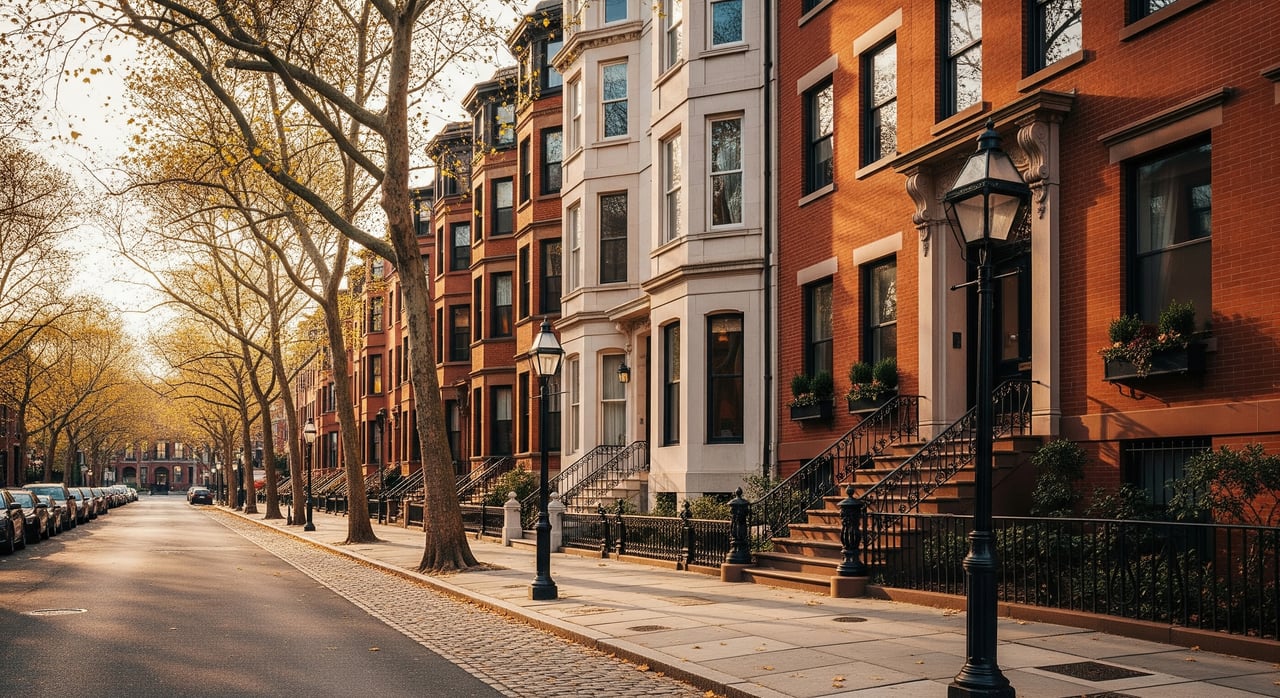
Newton offers a broad mix of homes, from classic Colonials and Victorians to Capes, mid-century properties, and many condos and multi-family options. Inventory spans a range of price points, especially around transit-serving villages. Lot sizes can be smaller in walkable areas and larger in outer pockets.
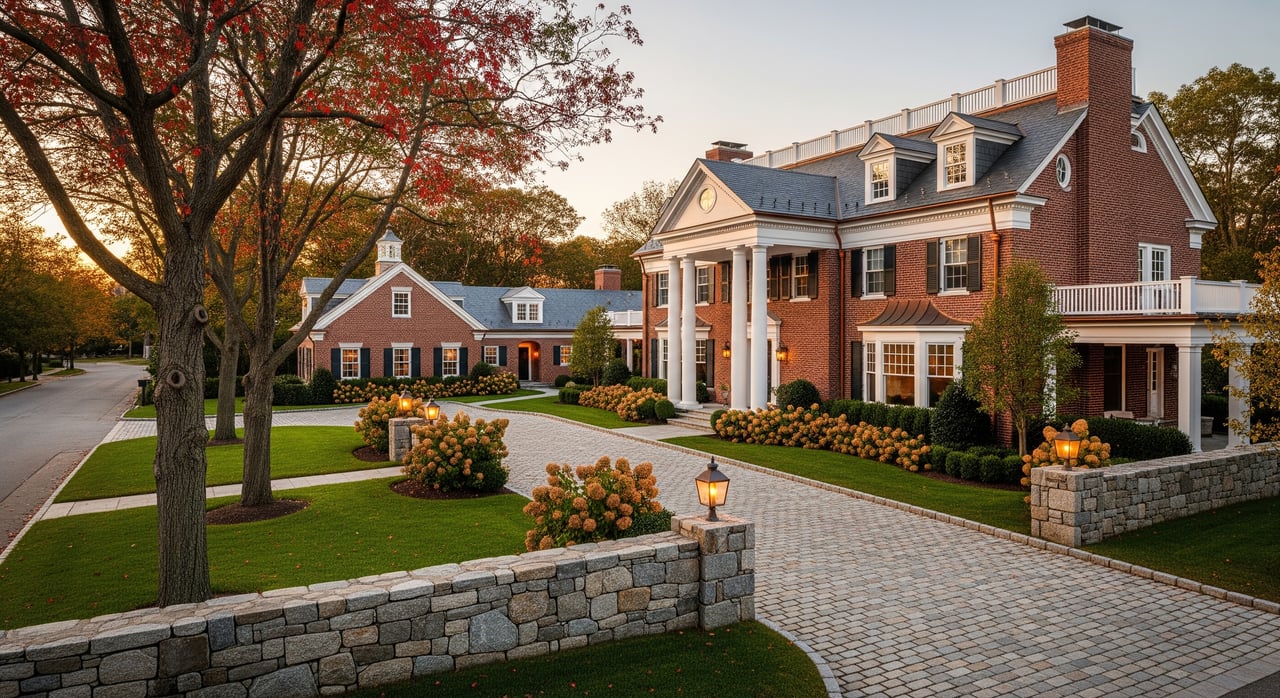
Wellesley leans toward single-family homes on larger lots, including many renovated or new construction properties. Condos exist but there are fewer multi-family buildings than in Newton. Yard space and privacy are common reasons buyers choose Wellesley.
Pricing and competition signals
Both towns are high-cost segments in Greater Boston and often trade well above the metro average. Wellesley frequently posts higher median prices for single-family homes and has a larger share of luxury-tier properties. Newton’s market is broader, with more price variety across its many villages.
Inventory dynamics also differ. Wellesley’s smaller pool of annual listings can concentrate competition on the right homes. Newton’s larger size provides more choices at any given time, though transit-oriented villages remain competitive. Always review current market reports for up-to-date medians, days on market, and inventory levels when you are ready to buy or sell.
A simple decision checklist
- Commute needs: Do you want frequent, short trips to Copley or downtown on the Green Line? If yes, lean Newton. If you prefer a set-schedule train with direct South Station service and park-and-ride options, lean Wellesley.
- School priorities: Consider district size, course variety, and extracurriculars, then visit schools and check official profiles.
- Lot and house needs: If you want a larger yard and larger home footprint, Wellesley often fits. If you want more diverse housing types and shorter walks to shops and transit, Newton is a strong match.
- Village vs town-center: Do you prefer multiple village nodes with distinct character (Newton), or a concentrated downtown with a college-town feel (Wellesley)?
- Budget and resale: Newton tends to offer a broader set of entry points. Wellesley often carries higher medians, with strong demand for high-end homes.
- Lifestyle and amenities: Compare dining, parks, recreation programs, libraries, and local events. Small differences can matter day to day.
- Inventory and timing: If you need to move quickly, Newton’s larger inventory may create more options. If you are focused on Wellesley, be ready for tight supply and competition on desirable listings.
Micro-areas to explore
Newton villages to consider
- Newton Centre: Lively commercial core, Green Line access, varied housing options.
- Newton Highlands: Village feel with local shops and transit, mix of classic homes.
- Waban: Primarily residential with Green Line access and a calm neighborhood vibe.
- Newtonville and West Newton: Convenient village amenities and access to major routes.
Wellesley neighborhoods to consider
- Wellesley Square: Central dining and shopping with a commuter rail stop nearby.
- Wellesley Hills: Residential areas with access to village services and the rail line.
- Wellesley Farms: More residential and suburban in feel, with larger lots common.
- Lower Falls: Residential pocket with access to outdoor spaces and area amenities.
Budget, timing, and strategy
In either town, the right homes move quickly, so preparation is key. If you are flexible on location, Newton’s variety may help you find a fit faster. If you want Wellesley’s larger-lot lifestyle, plan for a patient search and act decisively when the right home appears.
Set your budget with recent comps, understand likely competition, and be clear on your must-haves versus nice-to-haves. Decide on your commute and school priorities before you tour, since those factors often determine long-term satisfaction and resale.
Next steps
If you are torn between Wellesley and Newton, start with your commute and school needs, then layer in housing type and lot size. Map a few villages or neighborhoods, tour them at different times of day, and track recent sales to calibrate your budget. When you are ready, you want a plan that balances speed with clear decision points.
If you would like a tailored short list of neighborhoods and on- and off-market opportunities that match your goals, reach out. I provide a concierge-style search and clear guidance from first tour to closing so you can buy with confidence in either market. Connect with Samantha Berdinka to get started.
FAQs
Which town has better schools for families choosing between Newton and Wellesley?
- Both districts are well regarded and typically perform above state averages, so focus on district size, programs, and school visits to find the best fit for your student.
How do commute options compare between Newton and Wellesley?
- Newton offers frequent Green Line D service to Back Bay and downtown, while Wellesley provides scheduled commuter rail service to South Station, often with similar total travel times.
Are home prices generally higher in Wellesley or Newton?
- Both are high-cost markets, but Wellesley often records higher median single-family prices and a larger share of luxury listings, while Newton offers broader price variety.
Is walkability stronger in Newton villages or Wellesley neighborhoods?
- Newton’s many villages typically provide more immediate, small-scale walkable retail, while Wellesley’s walkability is concentrated around Wellesley Square and nearby areas.
How do lot sizes differ between Newton and Wellesley?
- Wellesley generally offers larger lots and bigger home footprints, while Newton varies by village, with smaller lots in walkable areas and larger properties in outer pockets.
What should I know about resale in Newton vs. Wellesley?
- Both towns hold value well due to location and schools; micro-neighborhood factors, village proximity, and school boundaries can influence long-term appreciation and buyer demand.