Choosing between a Cambridge or Somerville condo can feel like splitting hairs until you look closely at price per square foot, building types, transit access, and long‑term costs. You want a home that fits your daily routine and budget without sacrificing the lifestyle you enjoy. In this guide, you’ll see how the two markets differ so you can focus your search with confidence. Let’s dive in.
Price and value snapshot
Cambridge typically carries a higher price per square foot and a larger share of luxury and new‑construction condos, especially near Kendall Square, East Cambridge, and Cambridge Crossing. Citywide portal snapshots often place Cambridge condo listings in the $700,000 to $1.5 million range, with premium inventory above that. Entry‑level options exist but are less common.
Somerville usually offers more square footage for the money, with many condos created from 2‑ and 3‑family conversions. Portal snapshots have shown mid‑to‑high $800,000 median listing prices for condos citywide, with smaller or older units sometimes starting in the high $400,000s to mid $600,000s depending on neighborhood. Newer mid‑rise options near Union Square and Assembly Row trend higher but often still under comparable Cambridge price per square foot.
The practical takeaway: if you prioritize newer, full‑amenity buildings close to Kendall or the Charles, Cambridge often wins, albeit at a premium. If you want more space and value near an MBTA stop, Somerville can be compelling, especially along the Green Line Extension corridor.
Building types and amenities
Cambridge condo stock
You’ll see a concentration of newer, mid‑ and high‑rise buildings near Kendall, East Cambridge, and Cambridge Crossing, with modern systems and full amenities like concierge, gyms, and garage parking. Cambridge Crossing, originally known as NorthPoint, was planned as a large mixed‑use district with thousands of residential units and major commercial components, which helps explain the scale of new product there. Read more about the area’s evolution in this overview of the NorthPoint to Cambridge Crossing renaming.
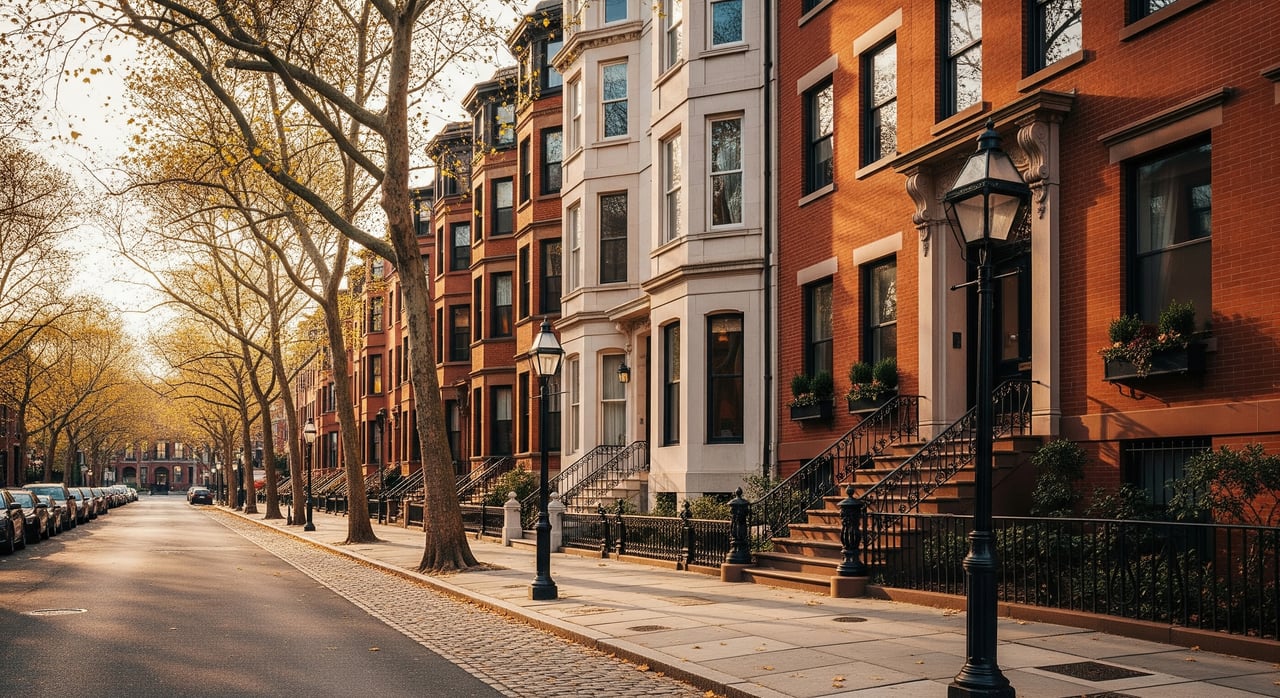
Historic brownstones and smaller conversions are common around Harvard Square, Inman, and Cambridgeport. These homes trade some building‑scale amenities for character and location, with wide variation in association size and reserves.
Somerville condo stock
Somerville’s hallmark is the classic triple‑decker and two‑family conversion, which can deliver larger floor plans and outdoor space at a lower price per square foot than many Cambridge new‑builds. Transit investment has accelerated change here, with the Green Line Extension spurring updates and development in Union Square and nearby areas. Local reporting has tracked how GLX access reshaped demand and listings.
You’ll also find more modern mid‑rise options clustered around Union Square and Assembly Row. Assembly Row continues to expand its mixed‑use footprint, adding housing alongside retail and waterfront parks. Explore the district’s current mix on Assembly Row’s community page.
Transit and daily convenience
Cambridge is anchored by the Red Line at Alewife, Porter, Harvard, Central, and Kendall, which offers direct service into Downtown Boston and easy access to job centers. Learn more about the line’s reach on the Red Line overview. If a quick ride to Kendall or downtown is your top priority, the Red Line’s directness is a major plus.
Somerville’s transit profile changed significantly with the Green Line Extension. New stations at Union Square, Gilman Square, and East Somerville bring rapid‑transit access to areas that previously relied on buses or the Red Line at Davis. See the project’s milestones on the Green Line Extension summary. The result is simple: Union, Davis, and Assembly now offer strong access with a better price per square foot in many cases.
Both cities are highly walkable and bike friendly, though scores vary by neighborhood and even by block. You can compare specific addresses using Walk Score’s Somerville snapshot and similar Cambridge pages.
Taxes, fees, and carrying costs
Property taxes affect monthly costs, and rates differ by city. Cambridge’s published FY26 residential rate is $6.67 per $1,000 of assessed value, noted on the City of Cambridge tax page. Somerville’s FY25 residential rate was $10.91 per $1,000, and the city offers a residential exemption program for eligible owner‑occupants. Check current figures on Somerville’s Assessing Department page.
HOA fees vary by building type. Smaller walk‑ups and older conversions often have lower dues but limited amenities and variable reserves. Mid‑ and high‑rises cover more services, which raises fees but can simplify ownership. Always review the association budget, meeting minutes, master insurance, and any reserve study to understand upcoming costs.
Parking is limited in both cities. Some newer buildings, including parts of Cambridge Crossing and Assembly Row, offer garage parking, while many central addresses list without deeded spots. Review on‑street permits and any assigned or rental options early in your search to avoid surprises.
Which city fits your goals
- Fast, direct commute to Kendall or downtown: Cambridge’s Red Line stations are hard to beat. Kendall Square is a major innovation cluster, supported by a deep employer base. Get a sense of the area’s economic engine on Kendall Square Association’s site.
- More space for the budget: Somerville’s triple‑decker conversions and newer mid‑rises near Union or Assembly often deliver larger floor plans at a lower price per square foot.
- New construction and full amenities: You’ll find the widest selection in Cambridge’s Kendall and Cambridge Crossing areas, plus select Somerville mid‑rises at Assembly Row and Union.
- Buying to rent or flip: Be mindful of Somerville’s condo conversion rules and tenant protections, which can add cost and time. Cambridge’s higher entry prices also affect returns.
What to expect when shopping
- Set realistic price bands by neighborhood. In Cambridge, many condos cluster between $700,000 and $1.5 million, with premier buildings above that. In Somerville, smaller or older units may start in the high $400,000s to mid $600,000s, with mid‑market and new mid‑rises stretching higher.
- Match amenities to your lifestyle. If you want a concierge, gym, or garage, focus on Cambridge mid‑ and high‑rises and Somerville’s Union or Assembly projects. If you value character and space, include historic conversions and triple‑deckers.
- Evaluate the HOA’s health. Review budgets, reserves, and any capital plans. Older buildings may face roof, envelope, or systems updates. Newer buildings may have higher dues but more predictable maintenance.
- Understand conversion rules. Somerville has local condo conversion ordinances that increase notice periods and require relocation benefits for certain tenants. Read a plain‑language summary on MassLegalHelp and consult your attorney for specifics.
- Verify transit timing. MBTA maintenance can change travel times. Use the trip planner close to closing to confirm your expected commute.
Quick decision guide
- Choose Cambridge if you want the shortest Red Line access to Kendall or downtown and prefer newer, full‑amenity buildings near the river or innovation hubs.
- Choose Somerville if you want more space for your budget, a strong neighborhood center like Union or Davis, and new GLX stations that improve access.
- Consider both if you want a modern mid‑rise near shopping and dining. Cambridge Crossing and Assembly Row offer similar convenience with different price points.
If you’d like help narrowing your list, comparing buildings, or running tax and HOA projections side by side, connect with Samantha Berdinka for a focused, concierge‑style search.
FAQs
What are typical condo prices in Cambridge vs. Somerville?
- Portal snapshots often show many Cambridge condos between $700,000 and $1.5 million, while Somerville offers smaller or older options starting in the high $400,000s to mid $600,000s, with mid‑rise new builds higher.
How do Cambridge and Somerville property taxes compare for condos?
- Cambridge’s FY26 residential rate is $6.67 per $1,000 of assessed value, while Somerville’s FY25 rate is $10.91 per $1,000 plus a residential exemption for eligible owner‑occupants; confirm current rates on each city’s site.
Which city has more new construction and amenities?
- Cambridge has more new mid‑ and high‑rise options near Kendall and Cambridge Crossing with amenities like concierge and garages, while Somerville’s newer mid‑rises cluster around Union Square and Assembly Row.
How does MBTA access differ for daily commuting?
- Cambridge benefits from the Red Line through Alewife, Porter, Harvard, Central, and Kendall, while Somerville’s new Green Line Extension adds rapid‑transit access at Union, Gilman Square, and East Somerville.
What should I know about Somerville condo conversions?
- Local ordinances add notice periods and relocation benefits for certain tenants, which can extend timelines and affect investor plans; review a summary on MassLegalHelp and consult your attorney.
Are HOA fees typically higher in Cambridge?
- Fees depend on building type, not city; full‑amenity mid‑ and high‑rises in either city tend to have higher dues than small walk‑ups or older conversions.