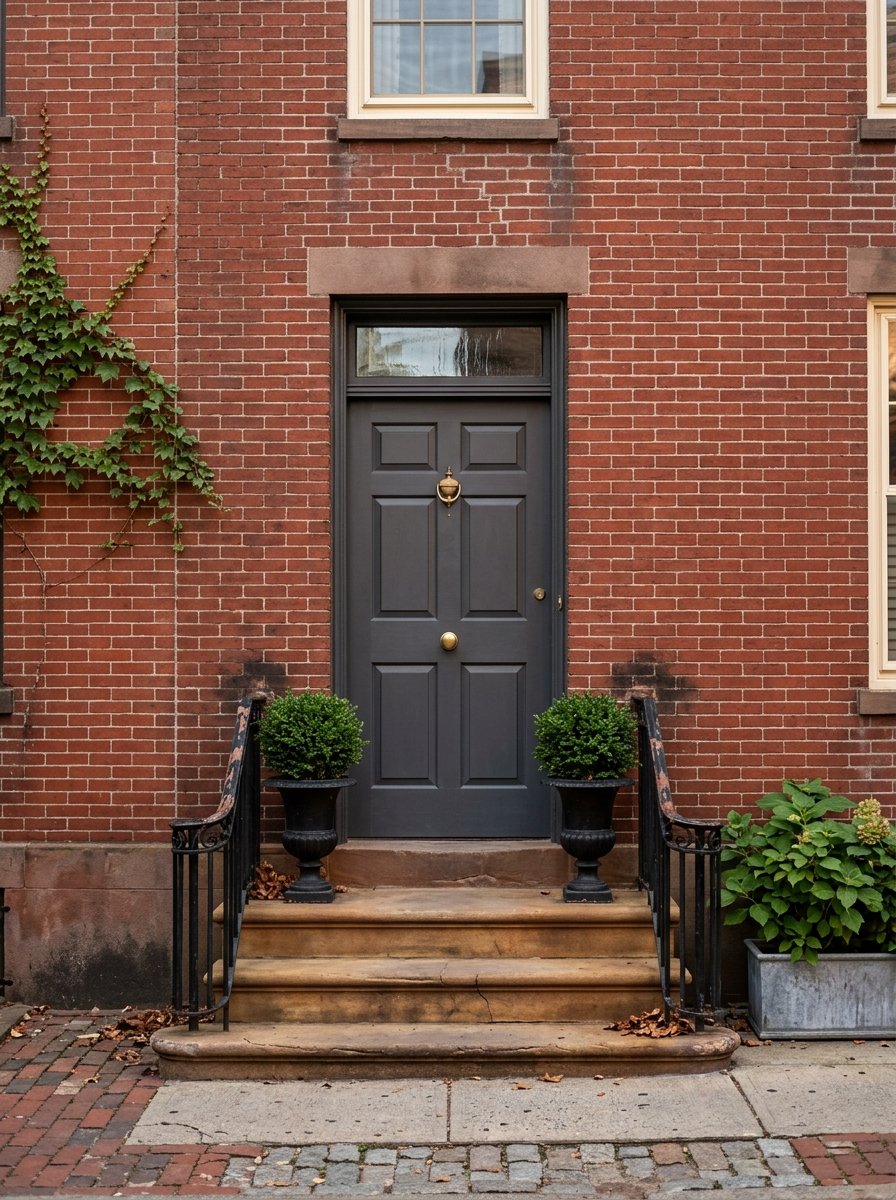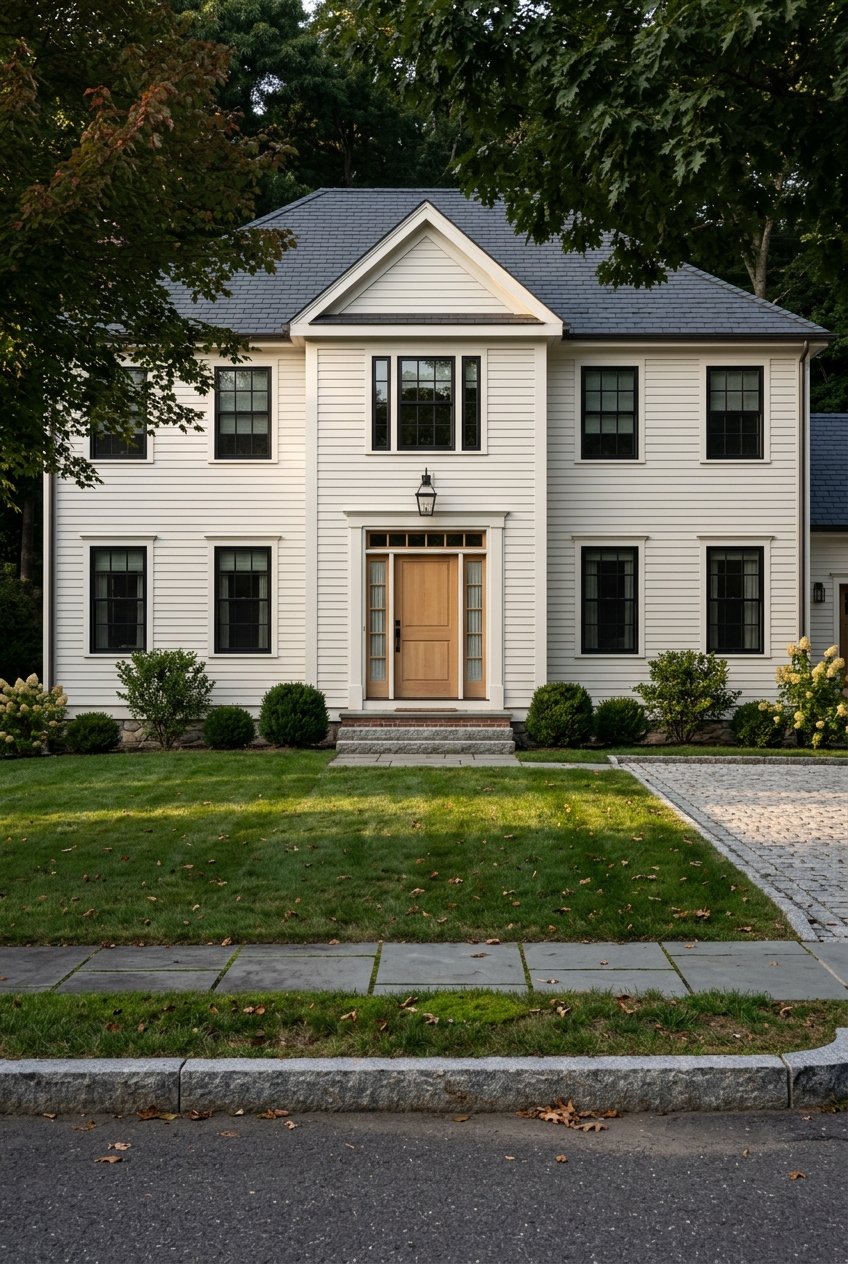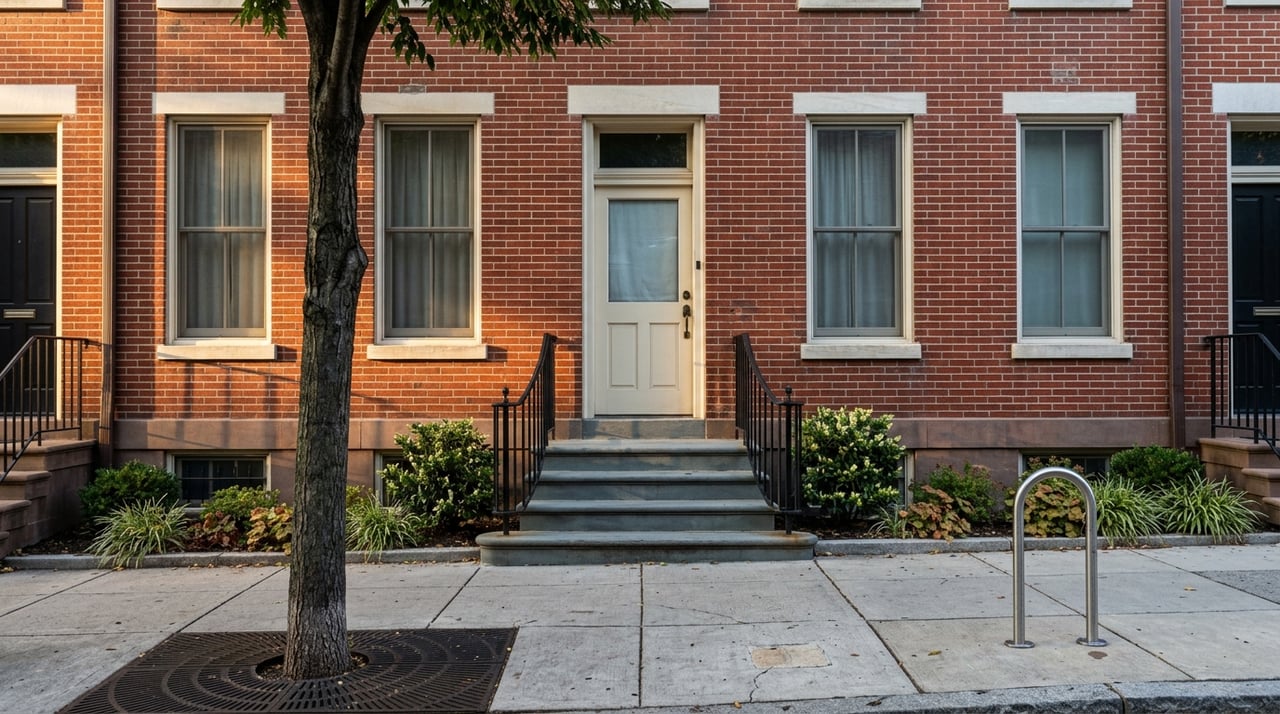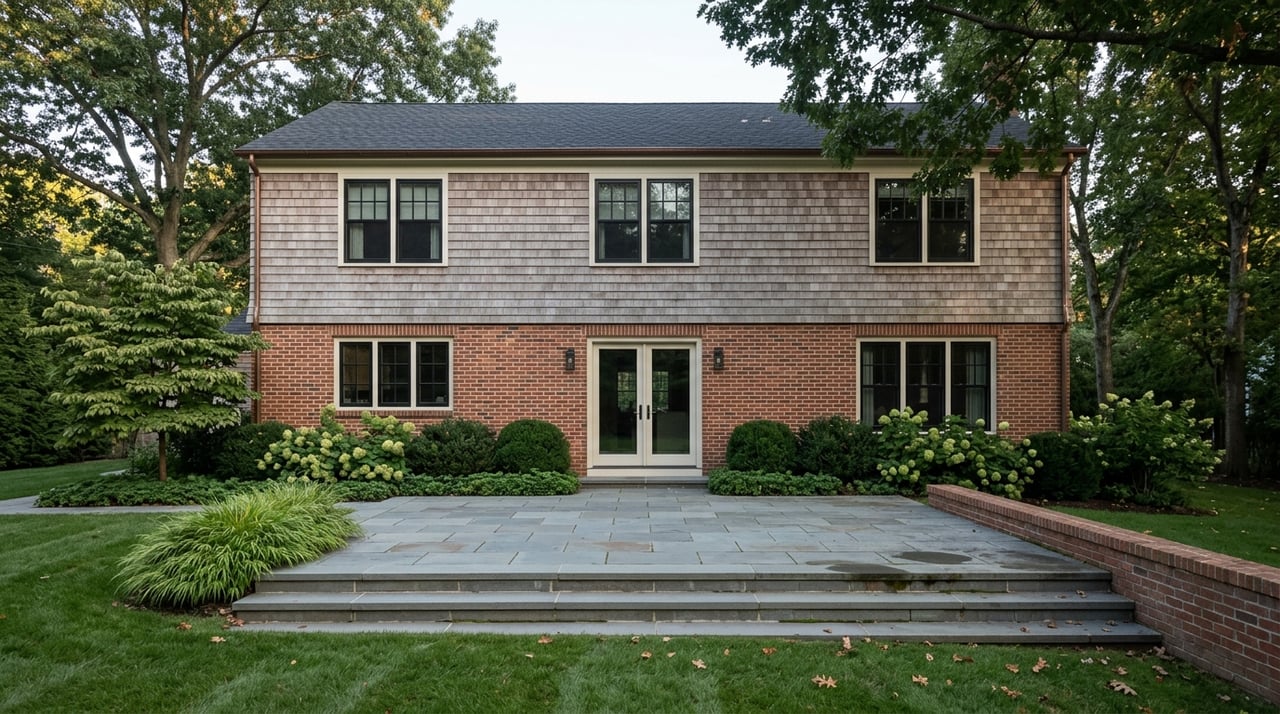
Thinking about selling in Boston and buying a single-family home in Newton? The biggest mistake you can make is treating Newton like one simple market. It is not. Newton is a village-based market with meaningful differences in price, inventory, and commute options, which can shape both your budget and your move timeline. If you want to trade up with less stress and more clarity, it helps to understand how Newton really works. Let’s dive in.
Why Newton works differently
Newton sits about seven miles west of downtown Boston and is organized around 13 distinct village centers. That matters because buyers often search by village first, not just by city name. For you as a Boston seller, that means your target home search should be much more specific than “Newton single-family.”
A home in one village may offer a very different price point, inventory level, and transit option than a home in another. Even when two villages are close together, the available choices can look very different week to week. That is why a focused plan usually works better than a broad search.
Newton market snapshot for sellers
Newton single-family homes remain a high-price market with relatively tight supply. As of April 30, 2026, Zillow reported an average home value of $1,552,051, with homes going pending in around 8 days. In the Massachusetts Association of REALTORS' April 2026 single-family report for Newton, the year-to-date median sales price was $1,960,000.
That same report showed 128 homes for sale, 2.9 months of supply, 51 cumulative days on market, and 98.9% of original list price received. In plain terms, that points to a market where buyers still need to be prepared and realistic. If you are selling a Boston condo or townhouse first, your purchase plan in Newton should start with numbers, not assumptions.
Newton villages by price band
Because Newton is so village-driven, it helps to think in broad pricing tiers. These are not hard rules, but they are useful starting points as you narrow your search.
Lower-to-mid price villages
Auburndale, Nonantum, and parts of West Newton generally sit in the lower-to-mid Newton single-family band based on the visible asking prices in the research. Auburndale showed 8 active listings with asking prices roughly from $1.195 million to $2.595 million. Nonantum showed 6 active listings, with asking prices roughly from $1.199 million to $2.55 million.
West Newton had a wider spread, with 18 active listings and visible asking prices from about $1.15 million to $6.1 million. Zillow also reported neighborhood home values around $1,093,160 for Nonantum and about $1,422,877 for West Newton. If you are moving from Boston and trying to balance budget with a suburban single-family search, these villages may be part of your first pass.
Upper-mid price villages
Newtonville, Newton Highlands, and Newton Centre often land in the upper-mid tier. Newtonville showed 5 active single-family listings with visible asking prices from about $1.995 million to $4.95 million. Newton Highlands showed visible single-family examples mostly in the roughly $1.74 million to $3.68 million range.
Newton Centre had roughly 15 to 19 active single-family listings across crawls, with visible examples from about $1.45 million to $5.198 million. Zillow neighborhood home values were about $1,504,193 for Newtonville, $1,868,537 for Newton Highlands, and $1,993,987 for Newton Centre. These villages can be especially important if you want a mix of location convenience and a strong range of single-family options.
Premium price villages
Waban and Chestnut Hill stand out as premium Newton villages in the research. Waban showed 17 results, with visible single-family examples ranging from about $1.395 million to $10 million. Zillow reported a neighborhood home value of about $2,183,211 for Waban.
Chestnut Hill also sits in a clear premium tier, with visible asking prices including about $1.75 million, $1.899 million, $2.75 million, $3.013 million, $3.434 million, $4.17 million, and $7.25 million. If your Boston sale gives you more flexibility and you are targeting the top end of the Newton market, these villages may be worth close attention. They also require a very clear understanding of your buying power before you list.
Inventory is tighter than it looks
One of the clearest takeaways from the research is that Newton should be approached village by village because inventory is limited in many areas. At the time of the market crawl, several villages showed only single-digit or low-teen listing counts. That included Auburndale with 8, Nonantum with 6, Newtonville with 5, Newton Highlands with 12, Waban with 17, and Chestnut Hill with roughly 5 to 10.
That kind of inventory means you may not have many chances in your preferred village at any given moment. It also means your search criteria may need to be prioritized before your Boston home hits the market. If you wait until after listing to define your target area, you may lose valuable time.
Commute patterns still matter
For many Boston sellers, Newton is not just about square footage. It is also about how the move fits your daily routine. Transit access varies by village, and that can influence both demand and your own comfort level with the move.
According to the City of Newton, Green Line service runs through Riverside, Woodland, Waban, Eliot, Newton Highlands, Newton Centre, and Chestnut Hill. The Worcester/Framingham commuter rail line serves Auburndale, West Newton, and Newtonville. The city also notes bus connections to Back Bay, Downtown, Kenmore, and nearby suburbs.
Newton's economic development strategy also reported that Boston was the most common commute destination for Newton residents in the underlying data set, with 34% commuting there. While that figure comes from older data, it helps explain why commute convenience remains a practical factor when buyers compare villages. If you still expect regular travel into Boston, transit access should be part of your shortlist from day one.
What Boston sellers should do first
If you are trading up from a Boston condo or townhouse, Newton's pricing and supply suggest that preparation matters more than guesswork. With only 2.9 months of supply and sellers receiving 98.9% of original list price in the April 2026 report, it is smart to map out your move financially before you start touring seriously.
A practical sequence looks like this:
- Get a realistic sale price range for your Boston home.
- Estimate your net proceeds after fees and mortgage payoff.
- Get pre-approved for the Newton price band you are targeting.
- Choose one primary village and one backup village.
- Decide how you would handle timing if your sale and purchase do not line up perfectly.
This kind of planning can help you move faster when the right home appears. It also gives you a better sense of whether your target village still fits your budget after a full review of your Boston sale proceeds.
Build a village-specific strategy
Not every Newton offer situation will feel the same. The research suggests that Newtonville and West Newton combine rail access with relatively limited single-family supply, while Waban and Chestnut Hill sit at much higher price points. Those conditions can affect how competitive a purchase feels and how quickly you may need to act.
That is why a village-specific strategy matters. In tighter areas, clean financing, clear priorities, and quick decision-making may matter more than trying to negotiate a small discount. In higher-price villages, the key issue may be whether the inventory available truly matches your budget and timing.
Why your Boston sale matters so much
For many move-up buyers, the Newton plan only works if the Boston sale is handled carefully. Your sale price, net proceeds, and timing all affect what you can realistically buy. A strong listing strategy in Boston is not separate from your Newton purchase. It is part of the same equation.
That is where thoughtful pricing, professional presentation, and a clear rollout plan can make a real difference. When your sale and purchase need to work together, you want advice that connects both markets and keeps the process moving with as little friction as possible.
If you are weighing a move from Boston to Newton, a tailored strategy can help you understand your likely sale range, narrow the right villages, and prepare for a smoother trade-up. To start that conversation, connect with Samantha Berdinka.
FAQs
What should Boston sellers know about Newton single-family home prices?
- Newton single-family prices vary widely by village, with visible asking prices in the research ranging from about $1.15 million in some villages to as high as $10 million in Waban.
What should Boston sellers know about Newton inventory?
- Inventory is relatively tight, with many villages showing only single-digit or low-teen active single-family listings at the time of the research.
What should Boston sellers know about Newton commute options?
- Newton offers Green Line service in several villages, commuter rail service in Auburndale, West Newton, and Newtonville, and bus connections to Boston and nearby suburbs.
What should Boston sellers do before buying a Newton single-family home?
- Start by estimating your Boston sale price range, calculating net proceeds, getting pre-approved, and choosing a primary village plus a backup option.
What should Boston sellers know about choosing a Newton village?
- Newton works best as a village-by-village search because price bands, transit access, and available inventory can differ significantly across the city.