Thinking about trading your Boston condo or townhouse for more space in Wellesley? It is a big lifestyle shift, and it is easy to feel pulled between excitement and logistics. If you are wondering how pricing, commute options, timing, and carrying costs really change, this guide will help you plan the move with more clarity and less stress. Let’s dive in.
Understand the Boston-to-Wellesley shift
A move from Boston to Wellesley is usually not just a change of address. It is often a move from dense, walkable city living to a more space-focused suburban routine.
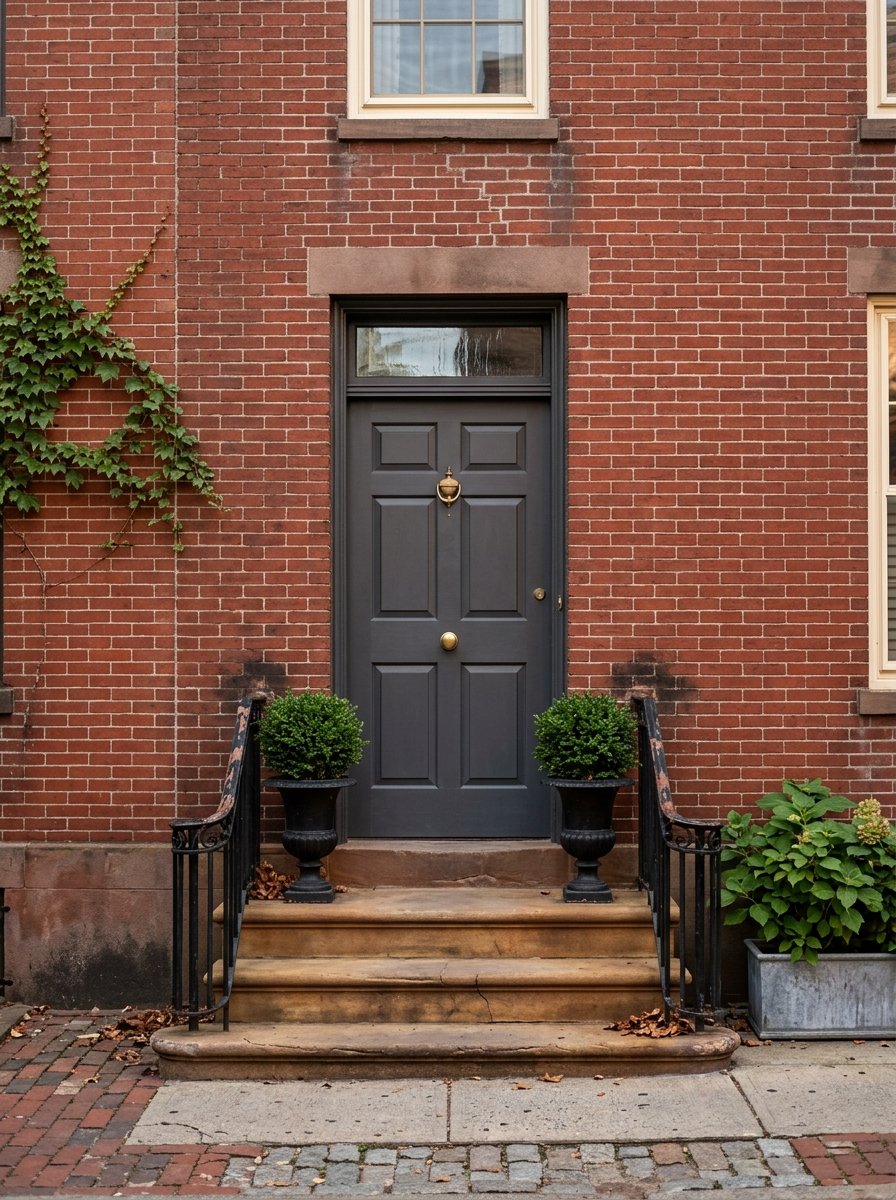
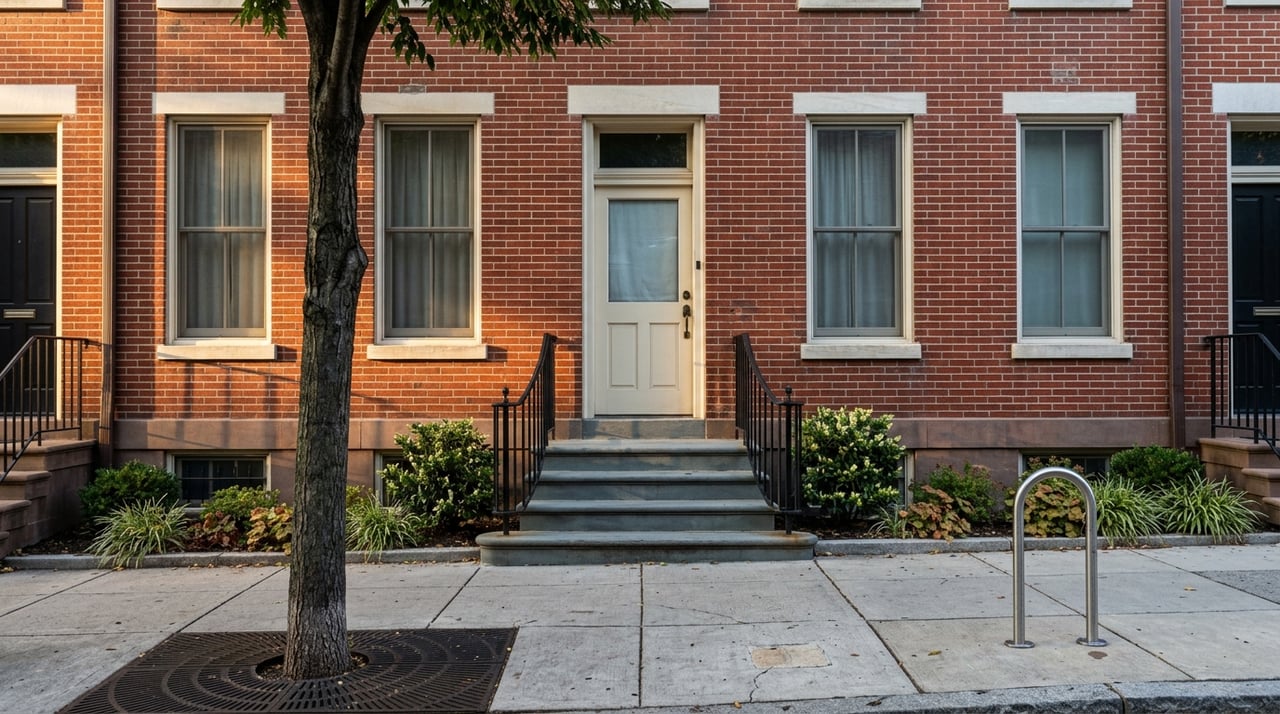
Boston has a large condo and townhouse market, with 1,638 condos for sale at a median listing price of $840,000 and 103 townhouses for sale at a median listing price of $909,000. Boston is also fairly walkable, with a Walk Score of 83. In Wellesley, the housing mix looks very different.
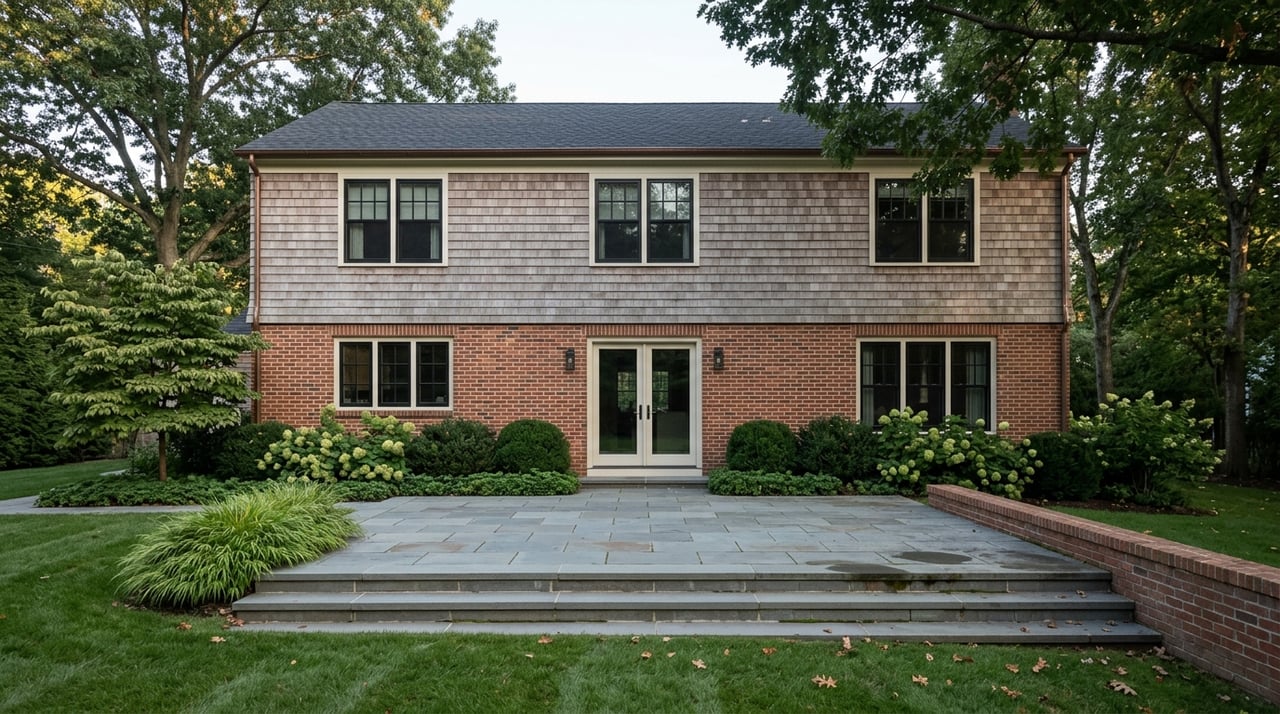
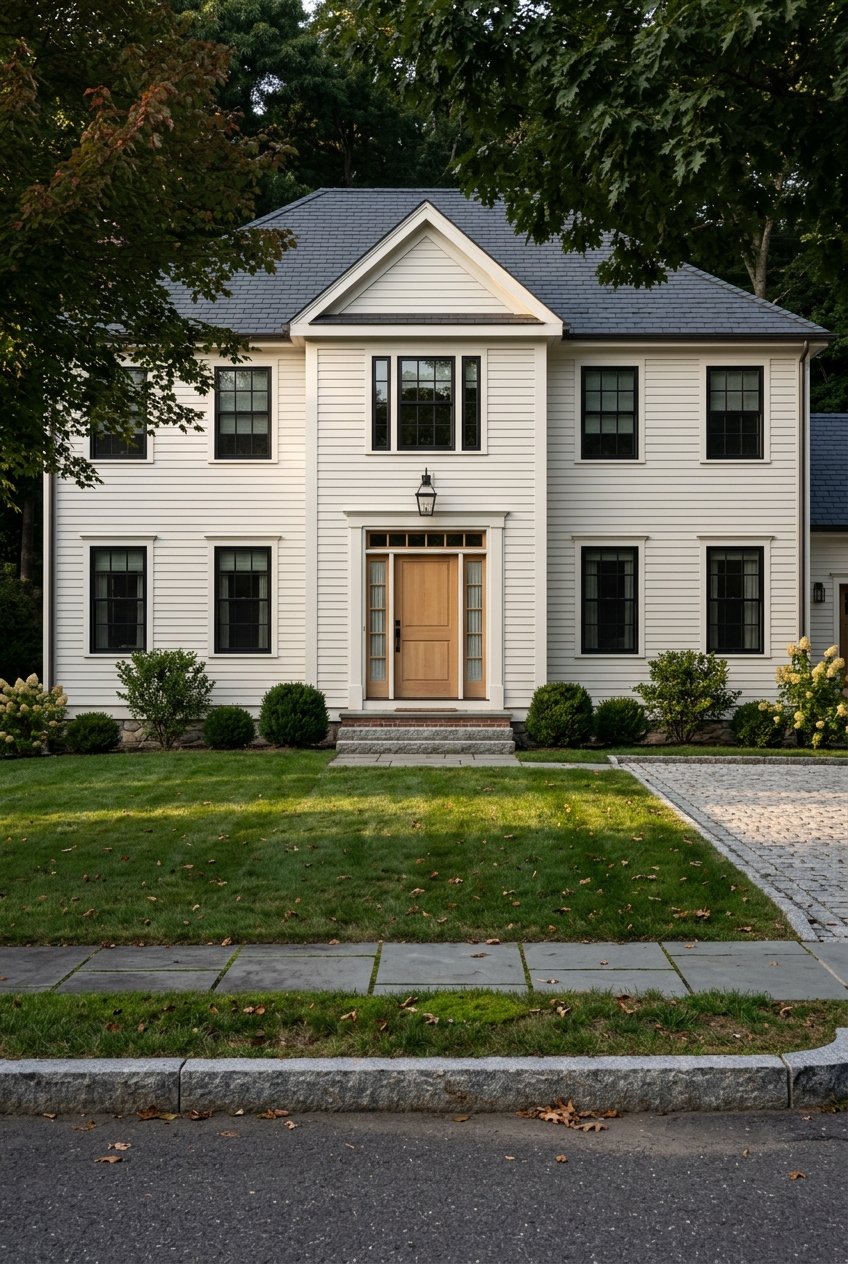
According to Wellesley’s June 2025 draft Strategic Housing Plan, 82.0% of housing units are detached homes, 2.7% are attached, and local assessor records list 666 condominium parcels. The same report shows a median single-family assessed value of $1.656 million, a median lot size of 15,000 square feet, and a median residential area of 2,086 square feet.
That means your move is often about gaining more interior space, more land, and a different daily rhythm. For many buyers, that is the main reason Wellesley becomes part of the conversation.
Compare home prices and value
The first planning step is understanding how much more home in Wellesley may cost, even if the price per square foot looks more favorable.
Over the last three months ending April 2026, Boston’s median sale price was $849,461. During that same period, Wellesley’s median sale price was $1,836,552. That makes Wellesley’s median sale price about 2.16 times Boston’s and nearly $987,000 higher.
At the same time, Boston’s median sale price per square foot was $763, while Wellesley’s was $666. In simple terms, Wellesley is typically not the lower-cost move overall, but it may offer more space and more land for each dollar spent on square footage.
Wellesley’s entry point can also be a surprise for Boston condo owners. Boston condo listings are currently around $840,000, while Wellesley’s June 2025 draft housing plan reported a 2024 median condo sale price of $1,787,500 and a median single-family sale price of $2,103,500.
Know what competition looks like
If you are moving within Greater Boston, it helps to remember that the two markets do not move at the same pace.
Boston homes sold in about 33 days on average and received about 2 offers over the last three months ending April 2026. Wellesley homes sold in about 19 days, had a sale-to-list ratio of 101.1%, and 38% sold above list price. Redfin describes Wellesley as very competitive.
That difference matters when you plan your next steps. If you wait too long to get financing lined up or to estimate your sale proceeds, you may feel behind once the right Wellesley home hits the market.
Estimate your new carrying costs
Moving from Boston to Wellesley can change your annual tax bill in ways that are not obvious at first glance.
Boston’s FY2026 residential tax rate is $12.40 per $1,000 of value, while Wellesley’s FY2026 residential tax rate is $10.17 per $1,000. On paper, Wellesley’s rate is lower. In practice, many buyers still pay more because the home values are much higher.
Boston also offers a residential exemption for owner-occupants that saved qualified homeowners up to $4,353.74 on the FY2026 bill. For example, an $850,000 Boston property would owe about $10,540 per year before the exemption and about $6,186 after Boston’s maximum FY2026 residential exemption.
Using Wellesley’s April 2026 median sale price, a home at $1,836,552 would owe about $18,678 per year in property taxes. The annual gap between that example Wellesley bill and the Boston example after exemption is about $12,491.
Boston’s residential exemption timing matters too. The city applies it only to a principal residence, only to one property, and credits it on the third-quarter tax bill. If you are selling in Boston and buying in Wellesley, that detail can affect your planning.
Think about your daily commute
One of the biggest questions buyers ask is whether they can still work in Boston without feeling cut off. For many households, the answer is yes, but the routine usually becomes more schedule-driven.
Wellesley offers MBTA commuter rail service on the Framingham/Worcester line, with three regional rail stops. The town also has MWRTA transit, microtransit, commuter parking, and Route 1 bus service between Natick Mall and Woodland, including service to Wellesley Square, Babson, and Wellesley Lower Falls.
Wellesley is also close to the MBTA Green Line at Woodland and Waban, and Catch Connect can help with first- and last-mile access to those stations. The town also reports 47 miles of trails, which adds another layer to everyday mobility and recreation.
Wellesley’s housing plan says 32.4% of employed residents commute to Boston and 90% commute 24 miles or less. So while the move often means giving up some of Boston’s walkability, it does not mean giving up Boston access altogether.
Plan for a different household rhythm
The move often changes more than your home. It can also change how you organize your week.
In Boston, many errands, commutes, and social plans can feel more spontaneous because of walkability and dense transit access. In Wellesley, station access, parking, and first- and last-mile connections usually matter more, so your routine may become more calendar-based.
For some buyers, that tradeoff is well worth it. More yard space, more privacy, and a different pace of life can be the exact goal.
Wellesley Public Schools serves 3,832 students across six elementary schools, one middle school, and one high school. For many family buyers, that district structure is an important part of why Wellesley stays high on the shortlist.
Decide whether to sell first or buy first
This is often the hardest part of the move. You want enough certainty to compete in Wellesley, but you also want to protect your finances when selling in Boston.
Because Wellesley is currently very competitive and homes move quickly, buyers should be fully preapproved before listing or shopping. That applies whether you plan to sell first, buy first, or try to align both transactions closely.
A practical planning sequence looks like this:
- Estimate your likely Boston net proceeds and tax costs.
- Get fully preapproved with your lender.
- Ask your lender whether bridge financing or a swing loan is an option.
- Decide whether a sale-first or buy-first strategy fits your risk tolerance.
- Try to align closing dates as closely as possible.
- Line up movers and storage in case the two closings do not overlap cleanly.
There is no one-size-fits-all answer here. The right sequence depends on your equity, your cash flexibility, and how much timing risk you are comfortable carrying.
Understand your bridge options
If you need your Boston equity to buy in Wellesley, there are several common ways to handle the gap between sale and purchase.
One option is a home-sale contingency, which can protect you if your Boston home has not sold yet. Another is bridge or swing financing, which can help you access funds before your sale closes. Short-term housing or a leaseback arrangement can also create breathing room if dates do not line up.
The key is to decide early, not after you find a home you love. In a fast-moving market like Wellesley, preparation gives you more negotiating power and fewer last-minute decisions.
Build your move plan early
A Boston-to-Wellesley move usually works best when you treat it like two connected projects: a strategic sale and a strategic purchase.
You will want a clear pricing plan for your Boston property, a realistic view of your Wellesley budget, and a timeline that accounts for financing, tax changes, commute patterns, and backup housing if needed. The more clearly those pieces fit together, the more confident you can feel when it is time to act.
If you are weighing the trade from Boston convenience to Wellesley space, local guidance matters. A move like this is rarely just about square footage. It is about matching your next home to the way you want to live.
If you are planning a move from Boston to Wellesley and want a clear strategy for timing, pricing, and the transition itself, Samantha Berdinka can help you build a smart, tailored plan.
FAQs
How much more space do you typically get when moving from Boston to Wellesley?
- Wellesley homes often offer more interior space and larger lots. The town’s June 2025 draft housing plan reports a median residential area of 2,086 square feet and a median lot size of 15,000 square feet, while Boston buyers are often coming from a condo or townhouse lifestyle.
Can you still commute from Wellesley to Boston for work?
- Yes. Wellesley has three commuter rail stops on the Framingham/Worcester line, access to MWRTA transit and microtransit, and proximity to Green Line stations at Woodland and Waban.
Is Wellesley more expensive than Boston for homebuyers?
- In most cases, yes. Over the last three months ending April 2026, Boston’s median sale price was $849,461, while Wellesley’s was $1,836,552.
Does Wellesley have lower property taxes than Boston?
- Wellesley’s FY2026 residential tax rate is lower at $10.17 per $1,000 of value versus Boston’s $12.40, but higher home prices in Wellesley often lead to a larger total tax bill.
Should you sell your Boston home before buying in Wellesley?
- It depends on your finances and comfort with timing risk. Common strategies include selling first, using a home-sale contingency, exploring bridge financing, or arranging short-term housing if the closings do not line up cleanly.
How competitive is the Wellesley housing market compared with Boston?
- Wellesley is moving faster right now. Homes there sold in about 19 days, compared with about 33 days in Boston, and 38% of Wellesley homes sold above list price.