If you want a Boston address that makes daily life feel easier, living near the Prudential Center in Back Bay is hard to ignore. This part of the city puts shopping, dining, transit, and green space within easy reach, which matters whether you are buying your next home, downsizing, or looking for a low-maintenance city lifestyle. In this guide, you’ll get a clear look at what it feels like to live near the Prudential, what kinds of homes you’ll find, and what to expect on price and convenience. Let’s dive in.
Why Prudential Center draws buyers
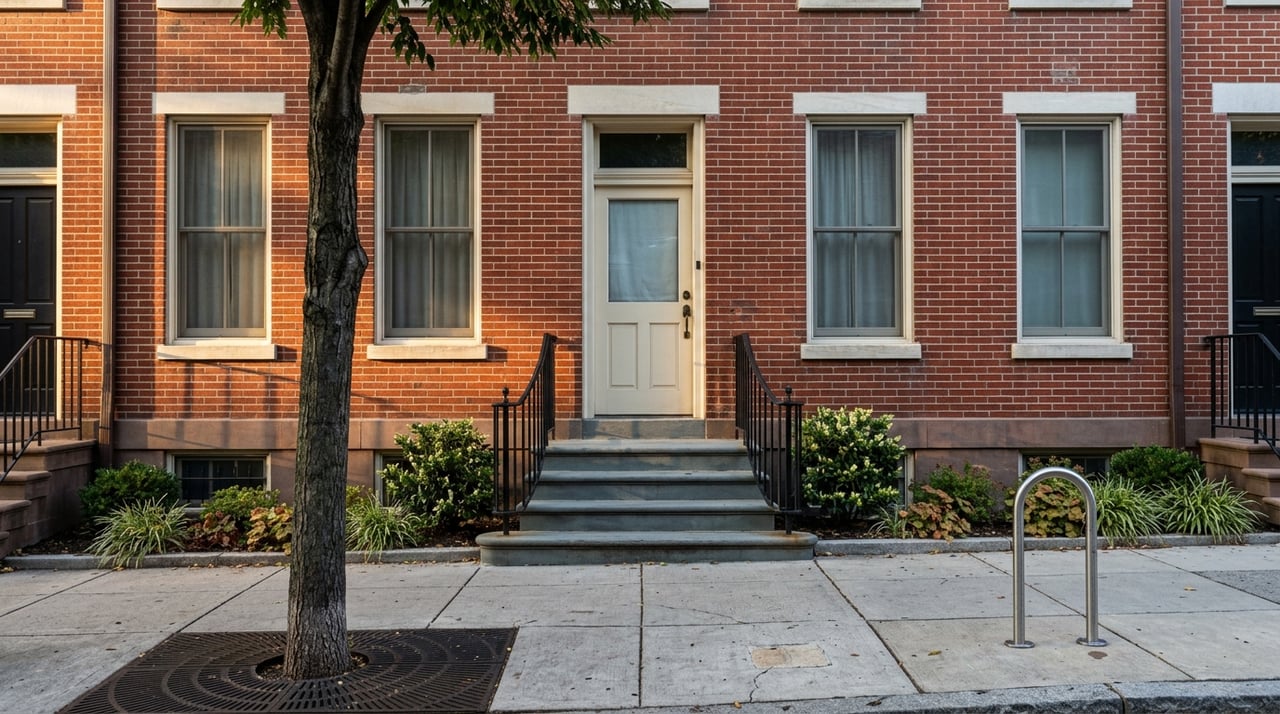
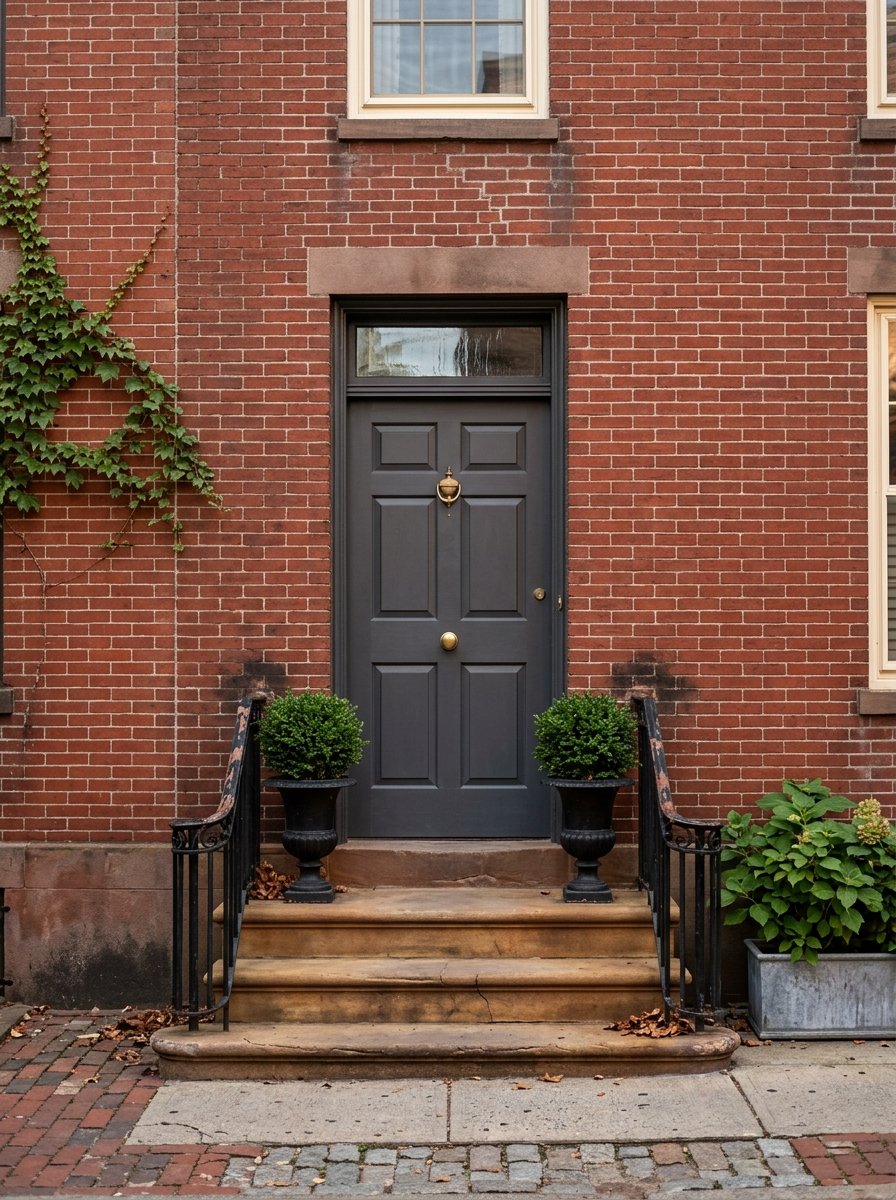
The Prudential Center sits in the heart of Back Bay, one of Boston’s most recognized and historically significant neighborhoods. Boston planning materials describe Back Bay as a historic neighborhood known for stately Victorian row houses, brick sidewalks, and major commercial streets like Newbury Street, Boylston Street, St. James Street, and Huntington Avenue.
That mix is a big part of the appeal. You get residential streets with classic Boston character, but you are also close to a 3.6 million-square-foot mixed-use center with major office, retail, and dining components. For many buyers, that means less time spent commuting between errands and more time actually enjoying the neighborhood.
What daily life feels like
Living near the Prudential Center often means your routine can stay compact and efficient. The complex includes everyday essentials like Star Market, CVS Pharmacy, coffee shops, fitness options, and a wide range of dining spots, including Eataly, Sweetgreen, CAVA, Shake Shack, Wagamama, Porto, and more.
If you like the idea of doing several errands in one stop, this area delivers. Eataly Boston alone functions as a major lifestyle amenity, with multiple restaurants, grocery counters, coffee bars, a bakery, a mozzarella lab, a gelato counter, and a cooking school spread across three floors.
Outside the building, the neighborhood keeps that same convenient rhythm. Copley Square Park has recently been renovated with fully ADA-accessible pathways, shaded seating, a larger tree canopy, and improved event space, while the Boston Public Library’s Central Library adds research services, museum passes, and art and architecture tours.
Back Bay also has a strong walk-first culture. On Open Newbury days, Newbury Street becomes pedestrian-only, adding to the neighborhood’s street life and making it even easier to enjoy the area on foot.
Transit is a major advantage
One of the biggest reasons people choose this area is how easy it is to get around without relying heavily on a car. Back Bay has a Walk Score of 97 and a Transit Score of 96, which supports the neighborhood’s reputation as one of Boston’s most accessible urban areas.
From the Prudential Center, you are near Back Bay Station, the Prudential Green Line E stop, and the Hynes and Copley Green Line stops. Back Bay Station also serves the Orange Line, Commuter Rail, and Amtrak, giving residents a broader range of local and regional transit options.
There is also a practical detail that many people appreciate in Boston weather. The Prudential Center’s office guide notes that you can walk from Back Bay Station to the Prudential Center without going outside.
If your ideal city lifestyle includes walking, transit, and outdoor routes, this location checks a lot of boxes. The area is also connected to places like the Commonwealth Avenue Mall, the Esplanade, and the Paul Dudley White Bicycle Path for recreation and fresh air.
Housing near the Prudential Center
Housing near the Prudential Center tends to reflect two sides of Back Bay. On one side, you have the protected historic residential fabric that defines so much of the neighborhood. On the other, you have larger commercial and mixed-use buildings clustered around the Prudential corridor.
Boston’s historic district materials explain that exterior changes in the Back Bay Architectural District are reviewed to help protect the area’s historic character. The guidelines emphasize features like brick and stone masonry, brownstone preservation, historic cornice lines, and limited roof-deck visibility.
For you as a buyer, that often translates into a choice between classic low-rise row-house or brownstone living on quieter residential streets and larger-scale building environments closer to Boylston or Huntington. Around the Prudential itself, the built environment includes major structures such as the Prudential Tower, 111 Huntington Avenue, 101 Huntington Avenue, and 888 Boylston.
That contrast is part of what makes this pocket of Back Bay so interesting. You can often narrow your search based on whether you want more historic charm, easier elevator living, a full-service building feel, or a home that places you right in the middle of the neighborhood’s activity.
What buyers should expect on price
Back Bay is typically an upper-end market, and homes near the Prudential Center often reflect that. Redfin data shows a Back Bay median sale price of about $1.51 million for the three months ending April 2026, with a median of 51 days on market.
For condos specifically, Redfin shows 132 listings at a median listing price of about $1.48 million and a typical market time of 44 days. While individual properties vary widely, this gives you a useful benchmark if you are starting your search.
In practical terms, you are often paying for a combination of location benefits. Walkability, strong transit access, neighborhood prestige, and a dense amenity base all support pricing here.
At the property level, price differences are often shaped by a few key factors:
- Building type
- Square footage and layout
- Views
- Parking availability
- Renovation level
- Position within a historic row house or larger building
Who this location fits best
Living near the Prudential Center can be a strong fit if you want a home base that supports a city-first lifestyle. Many buyers are drawn to the ability to step outside and quickly reach groceries, restaurants, fitness, parks, and transit.
It can also work well if you want Boston character without giving up convenience. Back Bay’s historic streetscape gives the area a strong sense of place, while the Prudential corridor adds modern ease to everyday life.
If you are deciding between Back Bay blocks, it helps to think about your priorities early. Some buyers want the quieter feel of a brownstone-lined side street, while others prefer being as close as possible to shops, trains, and building amenities.
Smart questions to ask before you buy
Before buying near the Prudential Center, it helps to get specific about how you want to live day to day. The neighborhood offers several different experiences within a relatively compact area.
A few questions can help clarify your search:
- Do you want historic architecture or a larger building setting?
- How important is direct access to transit?
- Do you need parking, or are you comfortable with a car-light routine?
- Do you want to be close to the busiest commercial streets, or slightly removed from them?
- Are views, building services, or updated interiors top priorities?
These choices can affect both pricing and long-term satisfaction. In a market like Back Bay, having a clear lifestyle checklist can make your home search more focused and efficient.
Why local guidance matters in Back Bay
Back Bay is not a one-size-fits-all neighborhood. Even within the area around Prudential Center, the feel of a home can shift based on street character, building style, access points, and how close you are to major retail or transit infrastructure.
That is where neighborhood-level guidance becomes especially useful. When you understand not just the listing, but also the micro-location, building context, and pricing patterns, you are in a much stronger position to choose the right fit.
Whether you are exploring a condo, townhouse, or investment-minded purchase, a clear local strategy can help you compare options with more confidence. In a competitive and high-value area like Back Bay, details matter.
If you are thinking about buying or selling near the Prudential Center, Samantha Berdinka offers hands-on, neighborhood-savvy guidance backed by responsive communication, thoughtful strategy, and a polished approach tailored to Boston’s core markets.
FAQs
What is it like to live near the Prudential Center in Back Bay?
- Living near the Prudential Center usually means having easy access to groceries, dining, coffee, fitness, parks, and transit in one of Boston’s most walkable neighborhoods.
What types of homes are near the Prudential Center in Back Bay?
- Homes near the Prudential Center often include historic row houses and brownstones on residential streets, along with larger tower and mixed-use buildings closer to the Prudential corridor.
How walkable is the Prudential Center area in Back Bay?
- Back Bay has a Walk Score of 97 and a Transit Score of 96, making it one of Boston’s most walkable and transit-friendly neighborhoods.
What transit options are available near the Prudential Center?
- The area is near Back Bay Station, the Prudential Green Line E stop, and the Hynes and Copley Green Line stops, with access to the Orange Line, Commuter Rail, and Amtrak at Back Bay Station.
How expensive is it to buy near the Prudential Center in Back Bay?
- Recent market data shows a Back Bay median sale price of about $1.51 million, with condo listings at a median listing price of about $1.48 million, though prices vary by size, building type, views, parking, and condition.
Is living near the Prudential Center a good fit for a car-light lifestyle?
- For many residents, yes. The area’s transit access, walkability, and concentration of daily essentials make a car-light routine realistic.