Thinking about renovating before you sell your South End home? In this neighborhood, the wrong update can cost you time, money, and buyer appeal, while the right one can make your home feel more polished, functional, and market-ready. If you want to improve resale value without fighting the character that makes the South End so desirable, a thoughtful plan matters. Let’s dive in.
Why South End renovations are different
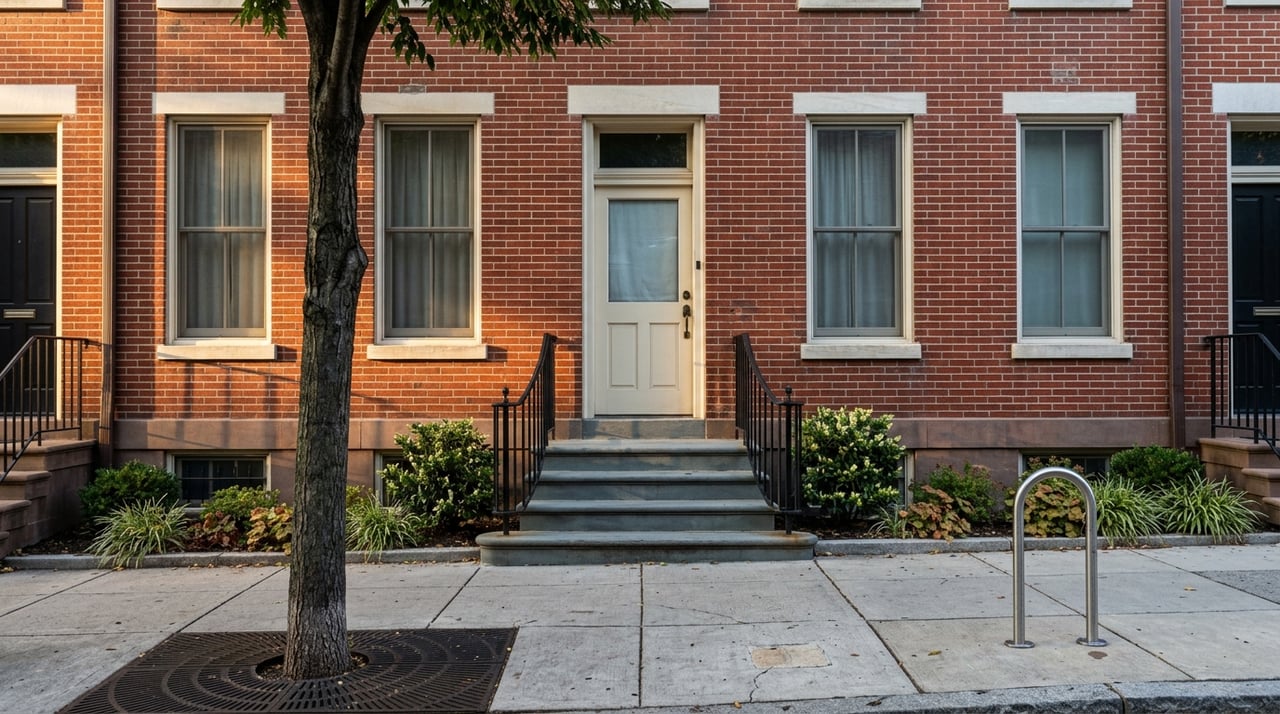
In the South End, resale value is not just about adding something new. It is also about protecting the historic character buyers expect when they shop for a Victorian rowhouse or condo in this part of Boston.
The South End Landmark District was created to preserve the neighborhood’s physical character, especially its street-facing facades and roof areas visible from public streets. That means many exterior changes require design approval before work begins, and the city advises owners not to start construction or buy materials first.
This creates a simple rule for sellers: the best renovations usually improve daily living while preserving the architectural details that define the home. According to the city’s South End standards and criteria, repair, retention, and historically compatible replacement are generally favored over visual change.
Focus on updates buyers use
If your goal is resale, practical improvements often beat highly personal design choices. National remodeling data supports that approach, and it fits the South End especially well.
According to the 2025 NAR Remodeling Impact Report coverage, smaller, more targeted projects often recover more of their cost than major overhauls. In a historic neighborhood with permitting and design review considerations, that can be an important advantage.
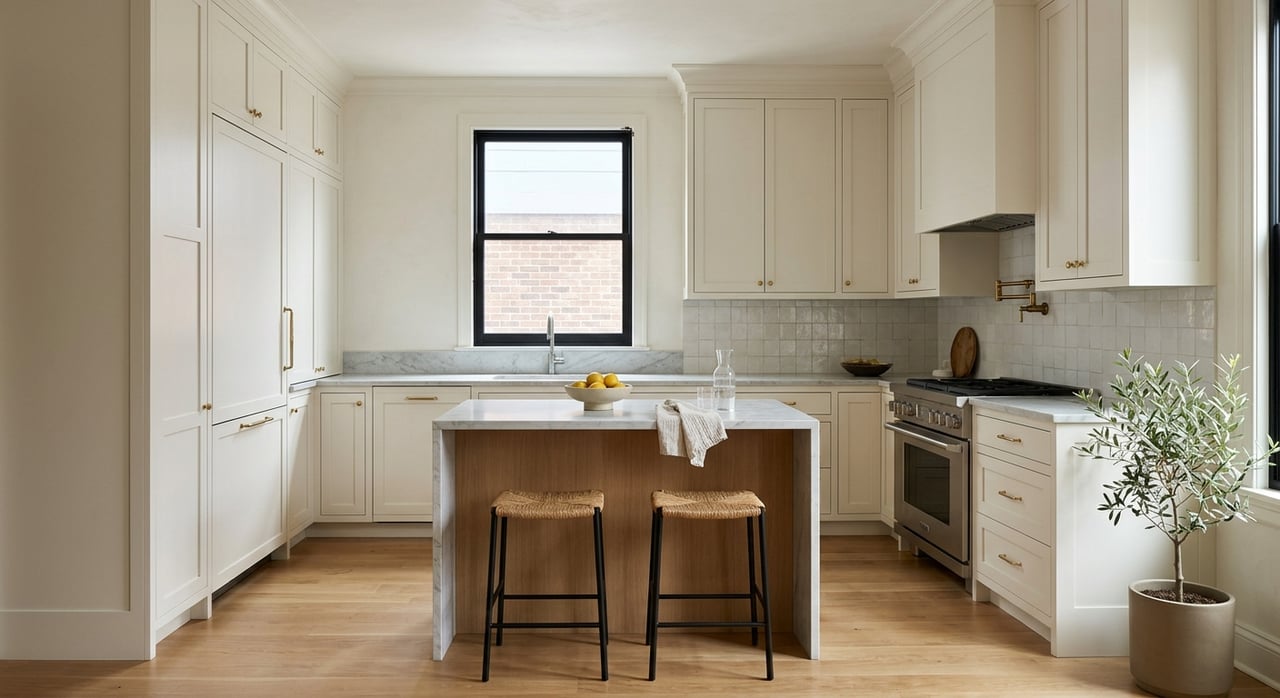
Kitchen updates with lasting appeal
Kitchens remain one of the first places buyers look. NAR reported that both a complete kitchen renovation and a minor kitchen upgrade were estimated to recover 60% of cost at resale, and REALTORS® also noted stronger demand for kitchen upgrades.
For a South End property, that points toward a measured kitchen refresh with durable materials, clean finishes, and a layout that works well day to day. Timeless choices usually make more sense than highly customized features that may not match the next buyer’s taste.
Bathroom improvements that feel fresh
Bathrooms also matter, but bigger is not always better. NAR estimated 50% cost recovery for a bathroom renovation and 56% for a bathroom addition.
That suggests a clean, functional update is often the safer pre-sale move. If your bath feels dated, tired, or poorly lit, improving finishes, fixtures, and usability may help more than creating a luxury spa concept that overshoots the market.
Storage adds real value
Storage is easy to overlook, but it can be one of the smartest resale plays in the South End. NAR estimated 83% cost recovery for a closet renovation, which stands out among the projects in the report.
In a dense urban neighborhood where square footage is often used carefully, buyers notice smart organization. Better closets, built-ins, and efficient storage can make your home feel more livable without changing its footprint.
Preserve original details whenever possible
In the South End, historic character is part of the value story. Buyers are often drawn to the original architecture as much as the updated kitchen or bath.
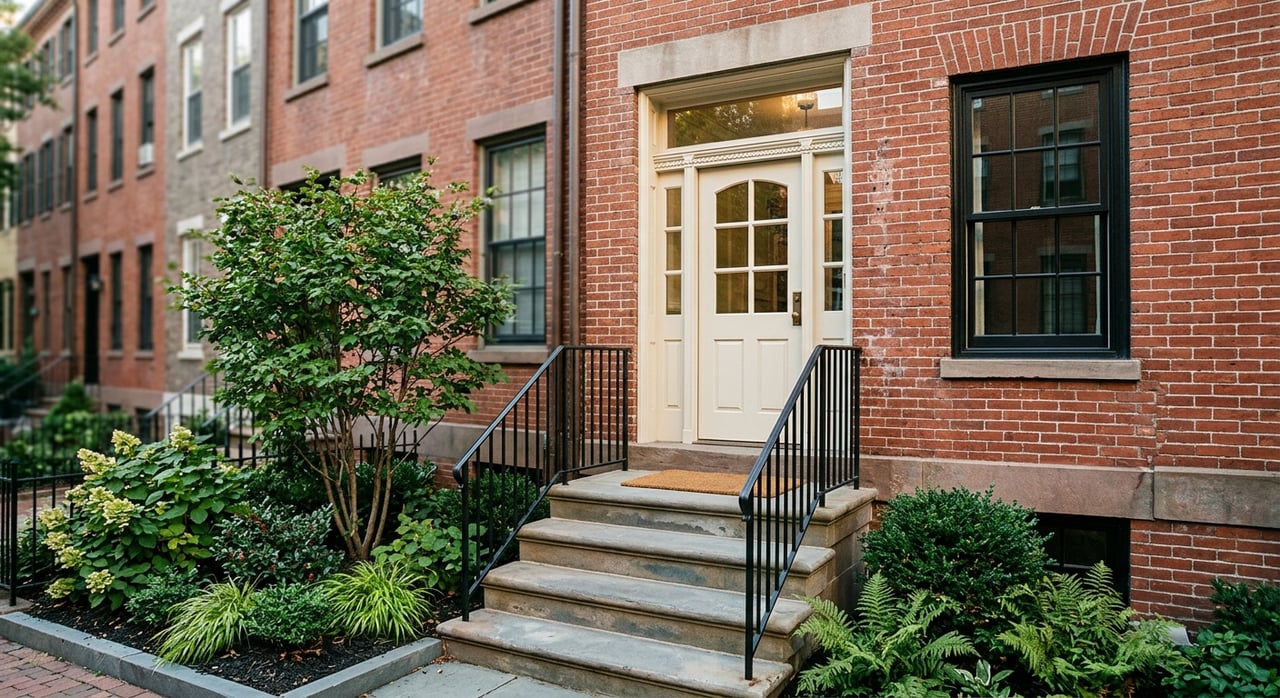
The district standards emphasize retaining and repairing masonry, entryways, decorative trim, railings, transoms, sidelights, cornices, dormers, and ironwork. They also note that masonry should not be covered, sandblasting is not approved, and repointing should match the original mortar in color, texture, joint width, and profile.
This matters because the details that seem small on paper often shape the full buyer impression in person. Original features help a home feel authentic, and authenticity carries weight in the South End market.
A recent Boston.com report on a record-setting South End sale showed that balance clearly. The renovation preserved the brick exterior along with original doors, trim, and pocket doors, while modernizing kitchens, baths, and other everyday conveniences.
Be careful with windows, doors, and rooflines
Some of the most common renovation ideas are also the ones that need the most care in the South End. What works in another neighborhood may not be the right move here.
Windows usually should be repaired first
If you are wondering whether to replace your windows before listing, the answer is usually no unless repair is not feasible. The South End standards state that original wood windows should be repaired where possible, and replacement windows should match the original proportions.
The same guidelines also say vinyl and vinyl-clad windows are not allowed. While NAR found that new wood windows can offer 71% cost recovery nationally, South End sellers usually benefit most from repairing or replacing only with historically compatible materials.
Entry details matter
Front doors and vestibules are another area where restraint matters. NAR reported 80% cost recovery for a new fiberglass front door nationally, but the South End standards are more specific.
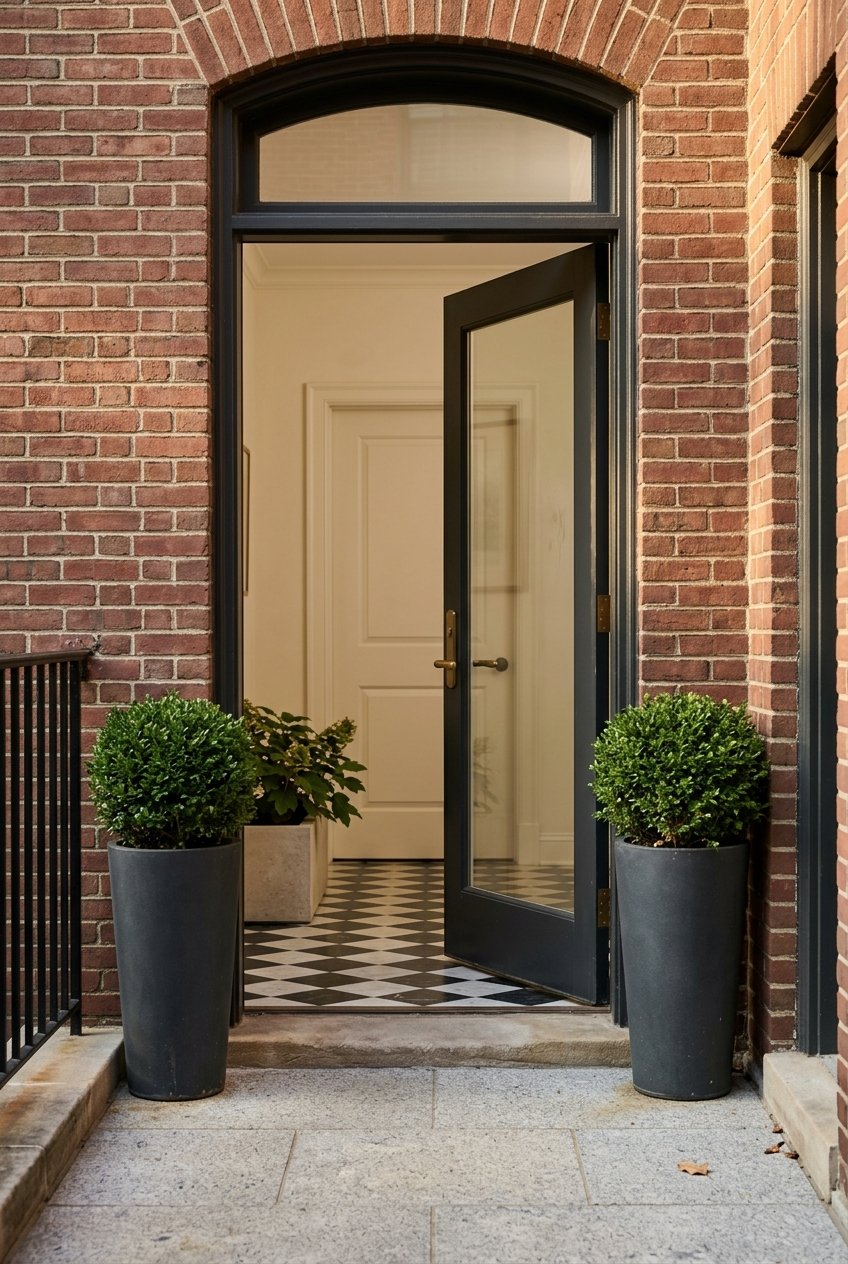
The district expects original entry doors and vestibules to be retained and repaired when possible. In practice, refinishing, repairing, or replacing in kind is often the better resale move than introducing a style that does not fit the building.
Visible roof changes can create issues
Roof decks and roof alterations often sound appealing, but visibility from a public way is a major concern. The standards say roof decks should not be visible from public streets, skylights are never allowed on mansard roofs, and original roof configuration and cornice lines should be retained.
If a renovation changes the roofline or adds visible features, it may create approval challenges and limit your flexibility on timing. For many sellers, that makes roof-related projects a poor choice right before listing.
Low-friction updates can go a long way
Not every resale-friendly renovation has to be expensive. In many cases, simpler improvements create the biggest difference in how buyers experience the home.
NAR reports that REALTORS® often recommend painting the whole home or at least one room before listing, and the organization notes that homeowners value improved functionality, durable materials, and enhanced aesthetics. That supports a straightforward pre-sale strategy built around clean presentation and better flow.
Consider updates like these:
- Fresh paint in neutral, low-sheen finishes
- Repaired trim, doors, and hardware
- Improved closet systems or storage solutions
- Updated lighting that feels simple and understated
- Minor kitchen or bath refreshes with durable materials
- Exterior repairs that preserve historic details
These projects are often easier to complete, easier to justify, and easier for buyers to appreciate immediately.
Renovate before listing or price accordingly?
This is one of the most important decisions a seller can make. Not every home needs a renovation before it goes on the market.
If the work is visible, broadly appealing, and relatively contained, completing it before listing may make sense. Paint, storage improvements, lighting, and modest kitchen or bathroom updates often fall into that category.
If the project is a full gut renovation, needs multiple approvals, alters protected exterior elements, or may not be supported by nearby comparable sales, pricing strategically may be the better path. NAR’s 2025 findings suggest smaller projects tend to recover more of their cost, which is another reason to think carefully before taking on a major pre-sale remodel.
Timing matters too. The city notes that South End exterior work needs design approval before construction, and approved projects then move into Boston’s building permit process. If your sale timeline is short, a lighter refresh is often more practical than trying to deliver a major renovation midstream.
A smart South End resale strategy
The best South End renovation decisions usually do two things at once: they make your home work better for modern living, and they protect the architectural character that makes the property feel rooted in the neighborhood.
That often means preserving brick, wood windows, doors, trim, and ironwork while investing in kitchens, bathrooms, paint, lighting, and storage. It also means avoiding expensive changes that create approval delays or push the home beyond what buyers are likely to value.
If you are weighing whether to renovate, refresh, or sell as-is, the right answer depends on your timeline, your property, and where your home fits in the current South End market. For tailored guidance on pricing, presentation, and what buyers are responding to right now, connect with Samantha Berdinka.
FAQs
What renovations help resale value most in South End Boston?
- The safest bets are usually a restrained kitchen refresh, a functional bathroom update, paint, repairs, and storage improvements that improve livability without removing historic character.
Should I replace windows before selling a South End home?
- Usually no. South End guidelines say original wood windows should be repaired first when feasible, and any replacement should match the original proportions and materials.
Do South End exterior renovations need approval?
- Yes, many exterior changes in the South End Landmark District require design approval before construction begins, especially work affecting street-facing facades or visible roof areas.
Are major renovations worth doing before listing a South End property?
- Not always. Smaller, targeted updates often recover more of their cost, while major remodels can involve more approvals, more time, and more risk.
How important are original details to South End buyers?
- Very important. District standards emphasize retaining features like masonry, doors, windows, cornices, and ironwork, and preserved original detail can strengthen buyer appeal in this historic neighborhood.