If you are thinking about buying a condo in the South Boston Waterfront, you are probably weighing more than just square footage and price. This part of Boston offers a very specific mix of waterfront access, newer development, loft conversions, and busy mixed-use surroundings, which can make one building feel very different from the next. In this guide, you will learn how to compare condo types, evaluate fees and amenities, and focus on the due diligence that matters most in this fast-changing market. Let’s dive in.
Why South Boston Waterfront Stands Out
South Boston Waterfront sits just across Fort Point Channel from Downtown Boston and has been transforming from an industrial and warehouse district into a mixed-use hub with residential development, creative office space, Harborwalk access, and major nearby venues. Boston planning also points to strong connectivity here, including access to I-90, the Silver Line, and several MBTA bus routes.
For you as a buyer, that means this is not a one-note condo market. Instead, you are often choosing between newer towers, mixed-use buildings, and older loft-style homes in Fort Point, each with its own tradeoffs around amenities, parking, storage, views, and the surrounding streetscape.
Condo Types in South Boston Waterfront
Newer Condo Towers
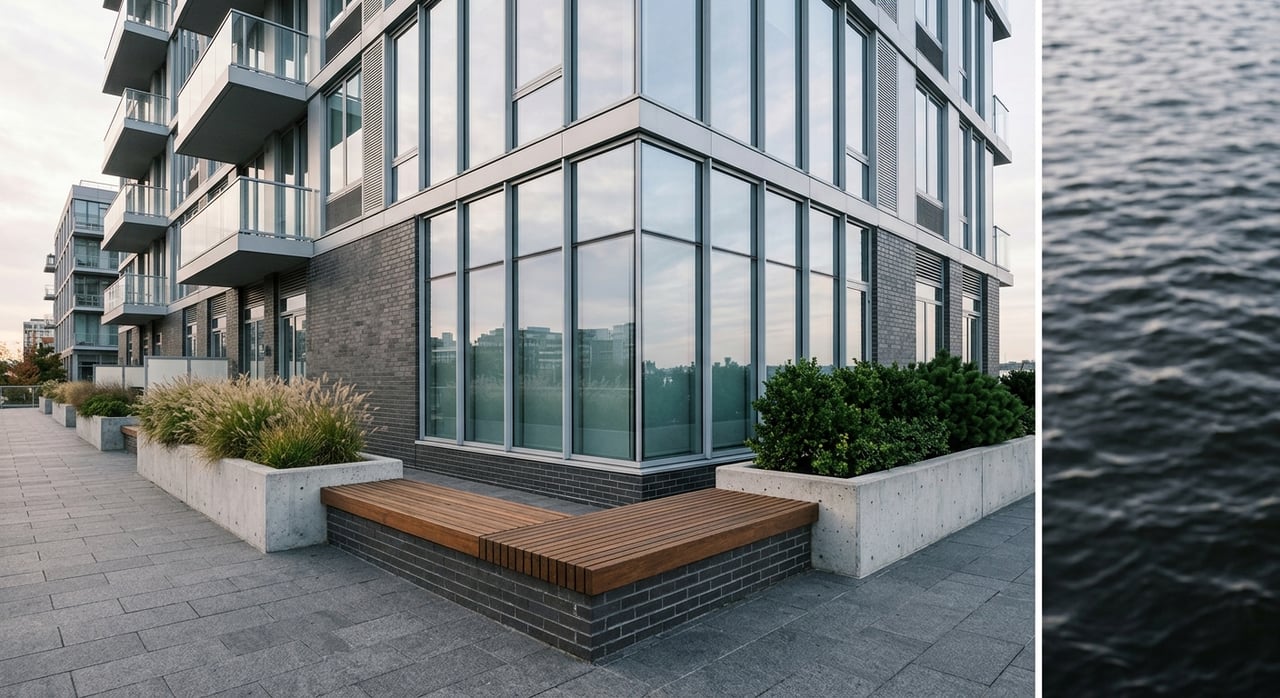
Many buyers start with newer buildings because they offer a more contemporary living experience. In the broader Innovation District, Boston planning describes recently built or planned residential properties that include apartment, condominium, and micro-unit options.
In these buildings, shared amenities can play a major role in your decision. You may find that the building lifestyle matters almost as much as the unit itself, especially when comparing lobby experience, elevators, parking access, storage, and common spaces.
Fort Point Loft Buildings
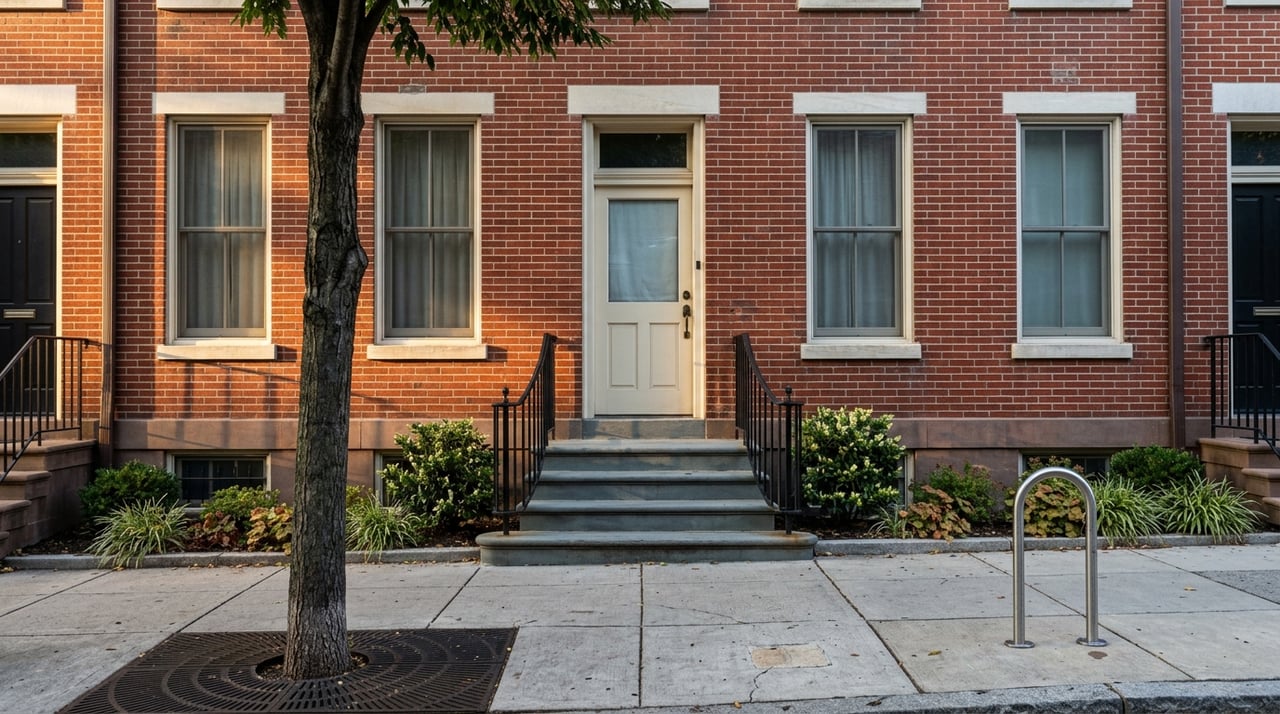
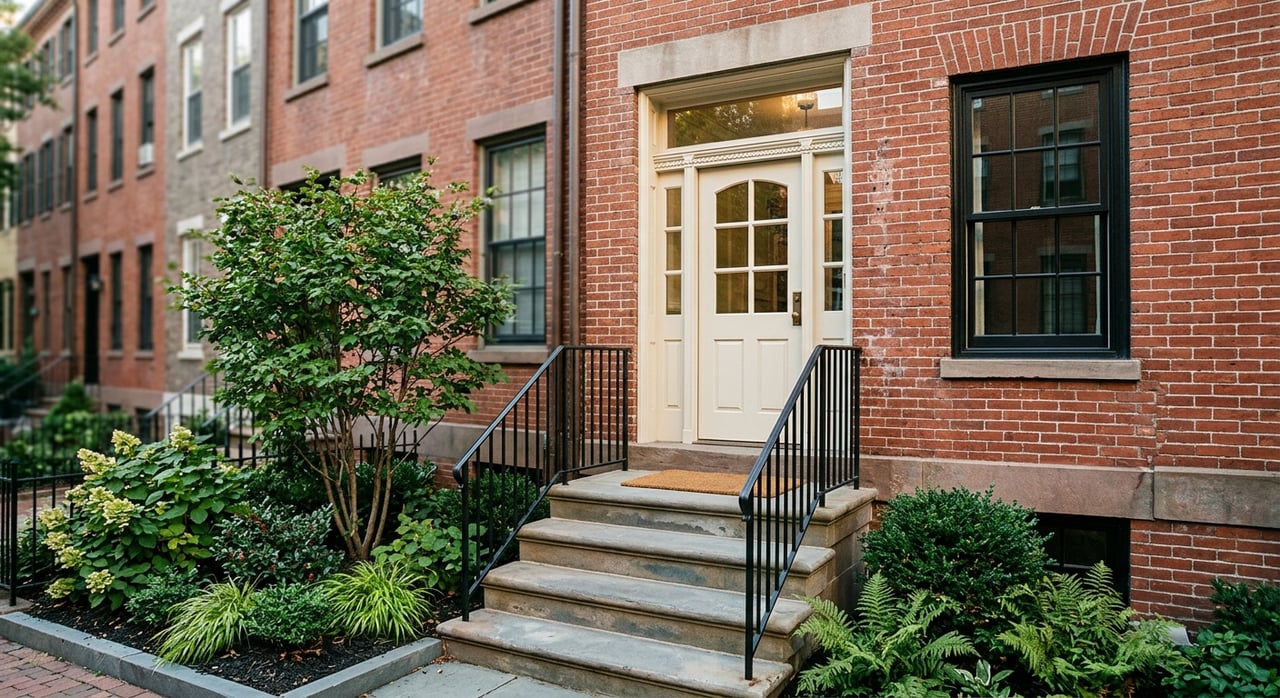
Fort Point offers a very different feel. Boston describes Historic Fort Point as an area with market-rate loft living in former warehouses, and it remains one of the clearest alternatives to newer Seaport-style construction.
If you are drawn to exposed brick, industrial scale, or adaptive reuse, loft buildings may be the right fit. At the same time, the building rules, layout, and exterior review environment can differ from what you would find in a newly built tower.
Mixed-Use Buildings
South Boston Waterfront also includes buildings shaped by a larger urban environment of offices, hotels, retail, cultural institutions, and event venues. That mixed-use pattern helps explain why some condo buildings here feel more active and less purely residential than in other Boston neighborhoods.
If you are touring mixed-use properties, pay attention to how residential access, deliveries, foot traffic, and nearby activity affect day-to-day living. A great location on paper can feel very different depending on how the building interacts with its surroundings.
What to Compare Beyond the Unit
In South Boston Waterfront, the building form often matters as much as the address. Two condos with similar square footage can offer very different ownership experiences depending on what comes with the unit and how the property is managed.
As you compare options, focus on a few basics:
- Parking, and whether it is deeded or assigned
- Storage, and whether it is included in the purchase
- Balcony or terrace rights, if advertised
- View orientation and nearby development context
- Amenity package versus monthly carrying costs
- How much of the building feels residential versus commercial
This neighborhood is still evolving, so it is smart to think not only about what you see today, but also about how the immediate area may continue to change.
How Condo Fees Work in Massachusetts
Condo fees can vary widely in South Boston Waterfront, especially between amenity-heavy buildings and more straightforward loft properties. Under Massachusetts condominium law, common areas and facilities can include items like roofs, halls, lobbies, stairs, elevators, central utilities, parking areas, storage spaces, and other shared parts of the building.
The law defines common expenses as costs tied to administration, maintenance, repair, or replacement of those shared areas. It also requires common expense assessments to be made at least annually based on an annual budget, which means your monthly condo fee is part of how the association operates the property and funds reserves.
That is why a higher condo fee is not automatically a red flag, and a lower one is not automatically a bargain. What matters is what the fee supports, how well the building is budgeting, and whether reserves appear adequate for the property’s needs.
What May Be Included With Your Condo
Massachusetts law also allows assessments to be allocated based on unit area and, if the master deed says so, by location, amenities, and limited common areas. The statute recognizes appurtenant areas such as balconies, terraces, and storage lockers when they are specifically described in the master deed.
In practical terms, you should verify every feature that matters to you. If a listing mentions a parking space, storage cage, terrace, or balcony, confirm whether it is deeded, assigned, limited common area, or simply associated with the unit by current practice.
That distinction can affect both value and your long-term ownership rights. In a neighborhood where features like parking and private outdoor space can strongly shape buyer demand, details matter.
HOA Documents Buyers Should Review
Massachusetts law requires condo associations to keep key records, including the recorded master deed, recorded bylaws, financial records, reserve-fund records, contracts, meeting minutes, and current insurance policies. Associations or managers must also prepare a financial report within 120 days after the end of the fiscal year.
Before you move forward on a condo, ask to review the documents that give you the clearest picture of the building’s health and governance. These usually include:
- Current operating budget
- Latest financial report
- Reserve fund information
- Insurance summary
- Recent meeting minutes
- Planned capital projects
- Any pending or discussed special assessments
The bylaws should also address maintenance, expense collection, management authority, administrative rules, and restrictions on use and upkeep. Those are not just technical details. They shape how the building functions once you own there.
Rules Worth Checking Early
Some condo rules can affect your day-to-day life more than buyers expect. During your review, check whether the building has policies related to rentals, pets, renovations, and EV charging.
You should also confirm whether the condo fee covers more than routine maintenance. In some buildings, the monthly payment may support a broader set of services or facilities, while in others it may be more limited.
Why Waterfront Due Diligence Matters
Climate resilience is a more visible part of the conversation here than in many inland Boston neighborhoods. Boston’s resiliency planning for South Boston and Fort Point Channel specifically addresses flood pathways and the expectation that flooding risks will increase as sea levels rise.
For you, that makes waterfront due diligence especially important. When touring a building, it is reasonable to ask how the property handles storm readiness, whether lower-level systems are protected, how the garage or lobby is managed during flooding events, and what the building’s insurance deductible looks like.
These questions are not about alarm. They are about understanding how a building is preparing for conditions that are already part of the City’s long-term planning work.
How This Area Compares to Other Boston Condo Markets
If you have also been looking in Back Bay, Beacon Hill, the South End, or the North End, the South Boston Waterfront may feel noticeably different. Boston describes those other neighborhoods through their historic districts, brownstone streetscapes, parks, or long-established neighborhood patterns.
By contrast, South Boston Waterfront is more recently developed, more vertical in its housing mix, and more mixed-use in its daily rhythm. It offers Harborwalk frontage and a larger concentration of newer condo product than many of Boston’s older core neighborhoods.
Fort Point Is Its Own Submarket
Within the broader waterfront area, Fort Point deserves separate attention. Boston says the Fort Point Channel Landmark District contains the city’s largest and most cohesive collection of late 19th- and early 20th-century industrial loft buildings, and exterior work visible from a public way is subject to district review.
If you are deciding between Fort Point and newer Seaport-style buildings, this distinction matters. Fort Point may appeal to buyers who value historic scale and loft character, while newer buildings may feel more streamlined and amenity-driven.
A Smart Buyer Checklist
As you narrow your options, keep your comparison process simple and consistent. A focused checklist can help you avoid being distracted by finishes alone.
Here are a few smart questions to bring to every tour:
- What exactly is included with the unit?
- Is parking deeded, assigned, or separate?
- Is storage included and documented?
- What does the condo fee cover?
- How strong are the reserves?
- Are there planned special assessments?
- What rules apply to pets, rentals, and renovations?
- How does the building address flood readiness and lower-level risk?
- How does the surrounding area feel on weekdays, evenings, and event days?
The right condo is not always the one with the most amenities or the newest finishes. It is the one that fits your priorities, budget, and comfort level with the building’s structure and setting.
Buying in South Boston Waterfront can be exciting, but it also rewards careful comparison. If you want a clear, hands-on strategy for evaluating condo buildings, fees, and the details that shape long-term value, Samantha Berdinka can help you navigate the process with local insight and responsive guidance.
FAQs
What types of condos are common in South Boston Waterfront?
- Buyers will typically see newer condo towers, mixed-use residential buildings, and loft conversions in Fort Point, with each option offering a different balance of amenities, character, and building style.
What should buyers review in a South Boston Waterfront condo association?
- You should review the budget, financial report, reserve information, insurance summary, meeting minutes, planned capital projects, and any potential special assessments.
What do condo fees usually cover in Massachusetts condos?
- Under Massachusetts law, condo fees generally support shared building costs such as administration, maintenance, repair, replacement, and operation of common areas and facilities.
What should buyers verify about parking and storage in South Boston Waterfront condos?
- You should confirm whether parking, storage, balconies, or terraces are deeded, assigned, or limited common areas, because those details affect both value and ownership rights.
Why should buyers ask about flood readiness in South Boston Waterfront buildings?
- Because Boston’s resiliency planning identifies increasing flood risk in this area, it is smart to ask how a building handles storm preparation, lower-level systems, flooding exposure, and insurance deductibles.