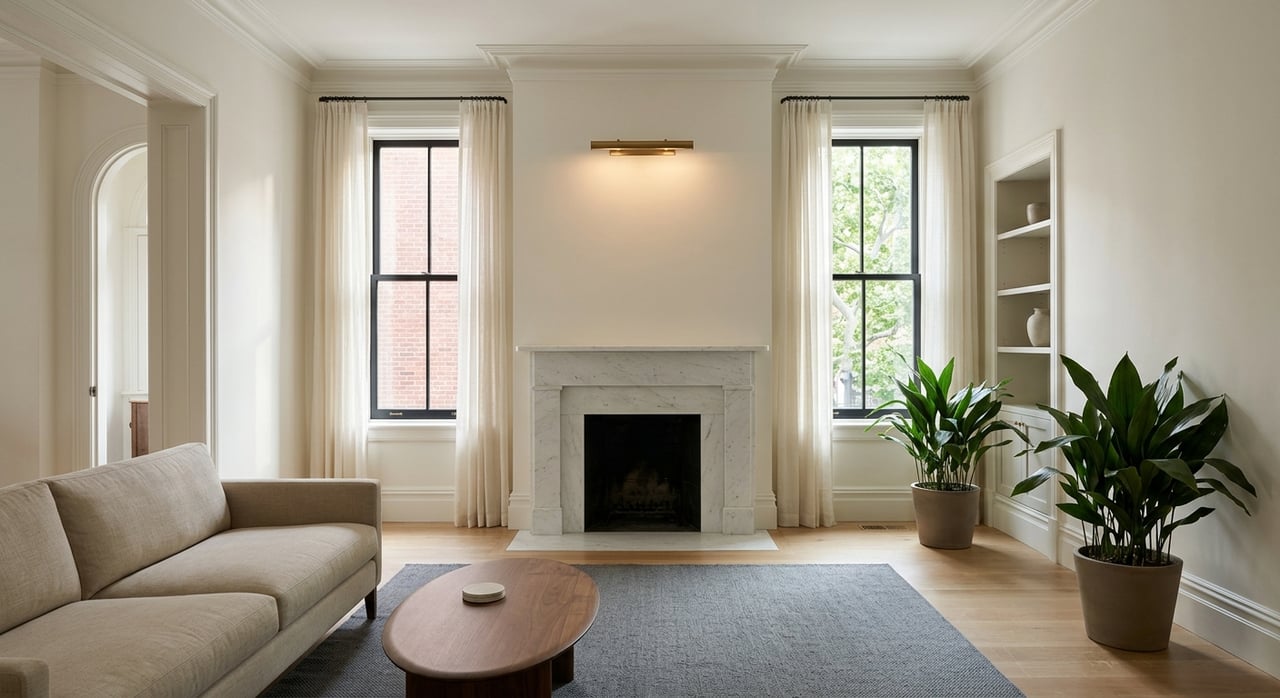
Thinking about leaving behind a large Wellesley home for a more walkable Boston lifestyle? For many homeowners, downsizing from Wellesley to Back Bay or the South End is not really about giving something up. It is about trading yard work, extra rooms, and suburban upkeep for convenience, culture, and a home that fits the way you want to live now. If that move is on your radar, understanding the lifestyle, financial, and timing trade-offs can help you make the shift with more clarity. Let’s dive in.
Why This Move Appeals
Wellesley offers a primarily residential setting about 15 miles west of Boston, with three Commuter Rail stops and a housing market where the town’s Strategic Housing Plan describes the median home price as more than $2 million. For many longtime owners, that means substantial equity may be tied up in a larger home than they still need.
At the same time, some homeowners want a lifestyle that feels easier and more connected to daily activity. Back Bay’s location near Downtown, the Public Garden, and the Charles River, along with the South End’s close proximity just to the south, makes this move feel less like leaving your region and more like changing how you live in it.
What You Trade for Walkability
Downsizing from Wellesley to Boston usually means more than fewer square feet. It is a shift from private outdoor space, garages, and larger lots to neighborhoods where restaurants, transit, parks, and errands can become part of your daily routine.
That trade-off can be a positive one if low-maintenance living is the goal. Instead of managing a large property, you may be focusing on lock-and-leave convenience, easier upkeep, and a home base closer to the city’s core.
Back Bay Lifestyle at a Glance
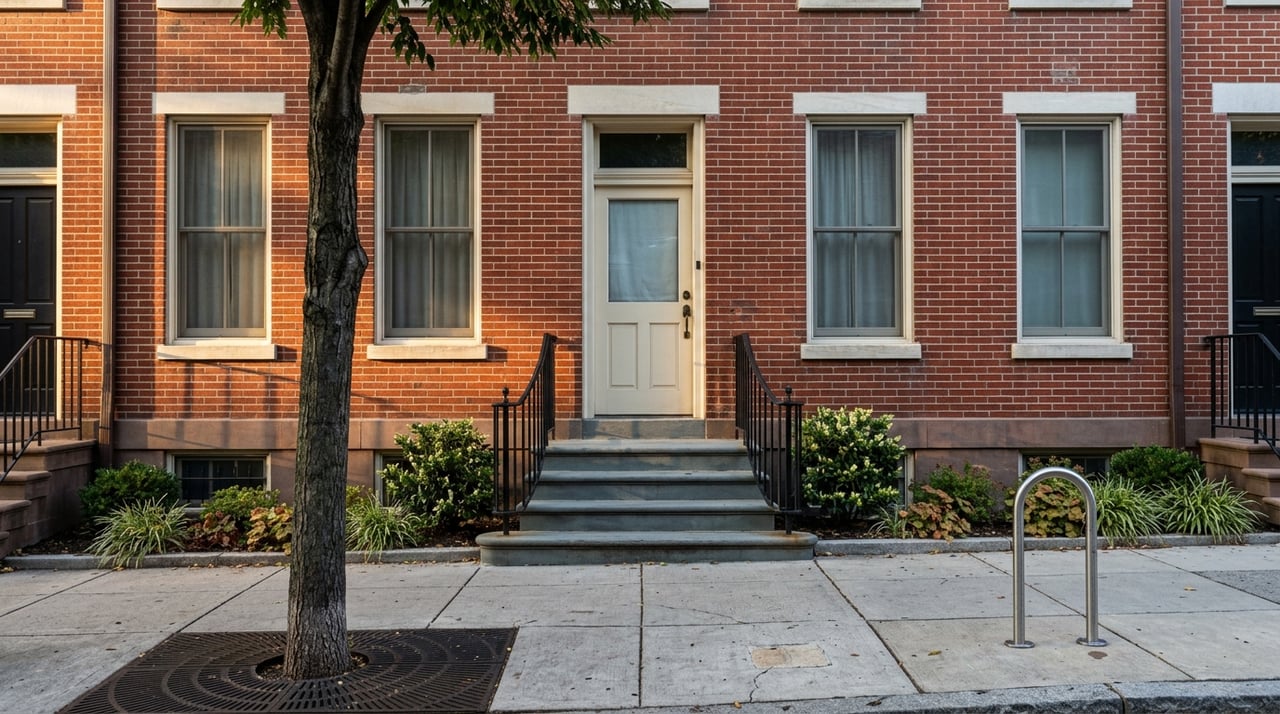
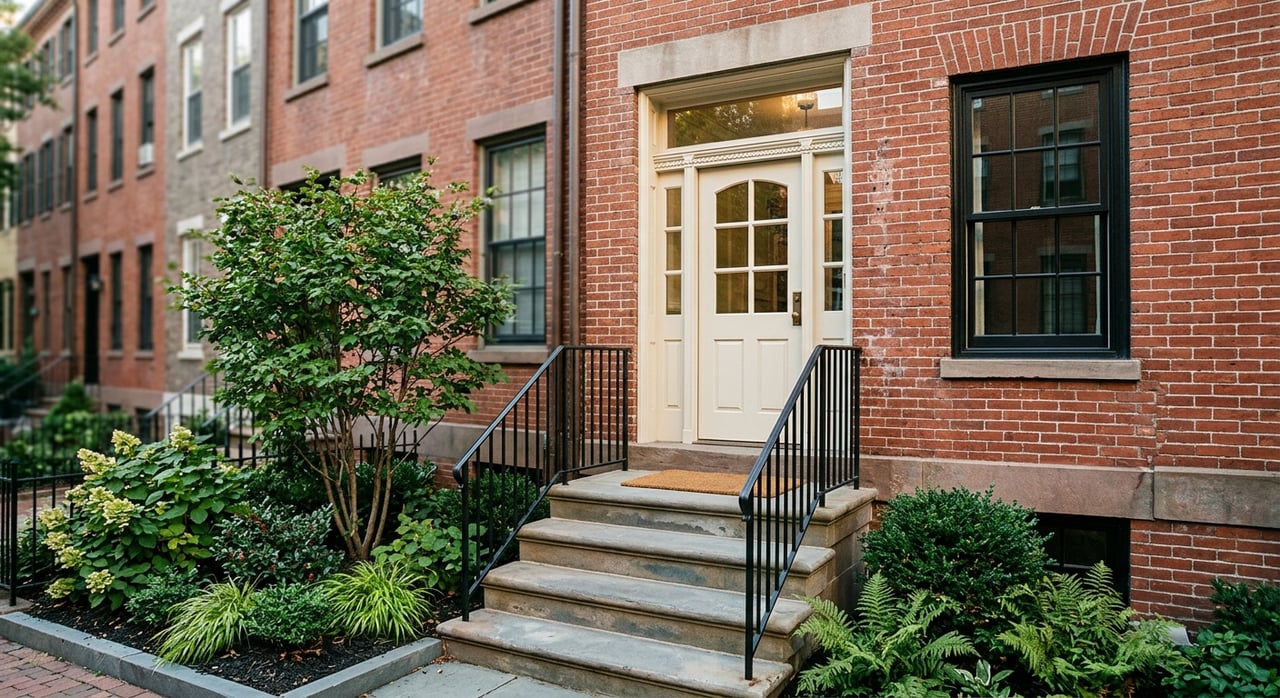
Back Bay is one of Boston’s best-known historic neighborhoods. Boston Planning describes it as a protected historic district built on filled tidal marshes in the mid-1800s, known for Victorian row houses, brick sidewalks, and commercial corridors like Newbury Street, Boylston Street, and Commonwealth Avenue.
Boston also notes landmarks such as the Prudential Center, John Hancock Tower, Trinity Church, and the Boston Public Library within the neighborhood context. For a downsizer, Back Bay often appeals because it combines classic architecture, central location, and a highly walkable street experience.
Why Buyers Choose Back Bay
You may be drawn to Back Bay if you want:
- A polished, centrally located Boston address
- Easy access to shopping and dining corridors
- Historic architecture with an urban feel
- A lifestyle where many daily needs are close at hand
Back Bay can feel especially appealing if you are looking for a refined city setting and want to stay closely connected to Downtown Boston.
South End Lifestyle at a Glance
The South End offers a different kind of urban rhythm. Boston Planning describes it as the largest Victorian residential district in the United States, with Victorian townhouses and brownstones, nearly 30 parks, and a strong restaurant and arts scene.
Official neighborhood materials also highlight the Southwest Corridor Path, along with areas like Tremont Street, Columbus Avenue, Mass Ave, and SoWa. If you want a neighborhood that feels active and residential at the same time, the South End often stands out for its combination of green space, local businesses, and city energy.
Why Buyers Choose the South End
You may prefer the South End if you want:
- A neighborhood feel within the city
- Access to parks and outdoor paths
- Strong dining and arts amenities
- Historic homes with active street life nearby
For many Wellesley homeowners, the South End can feel like a balanced middle ground between suburban calm and urban convenience.
Historic District Rules Matter
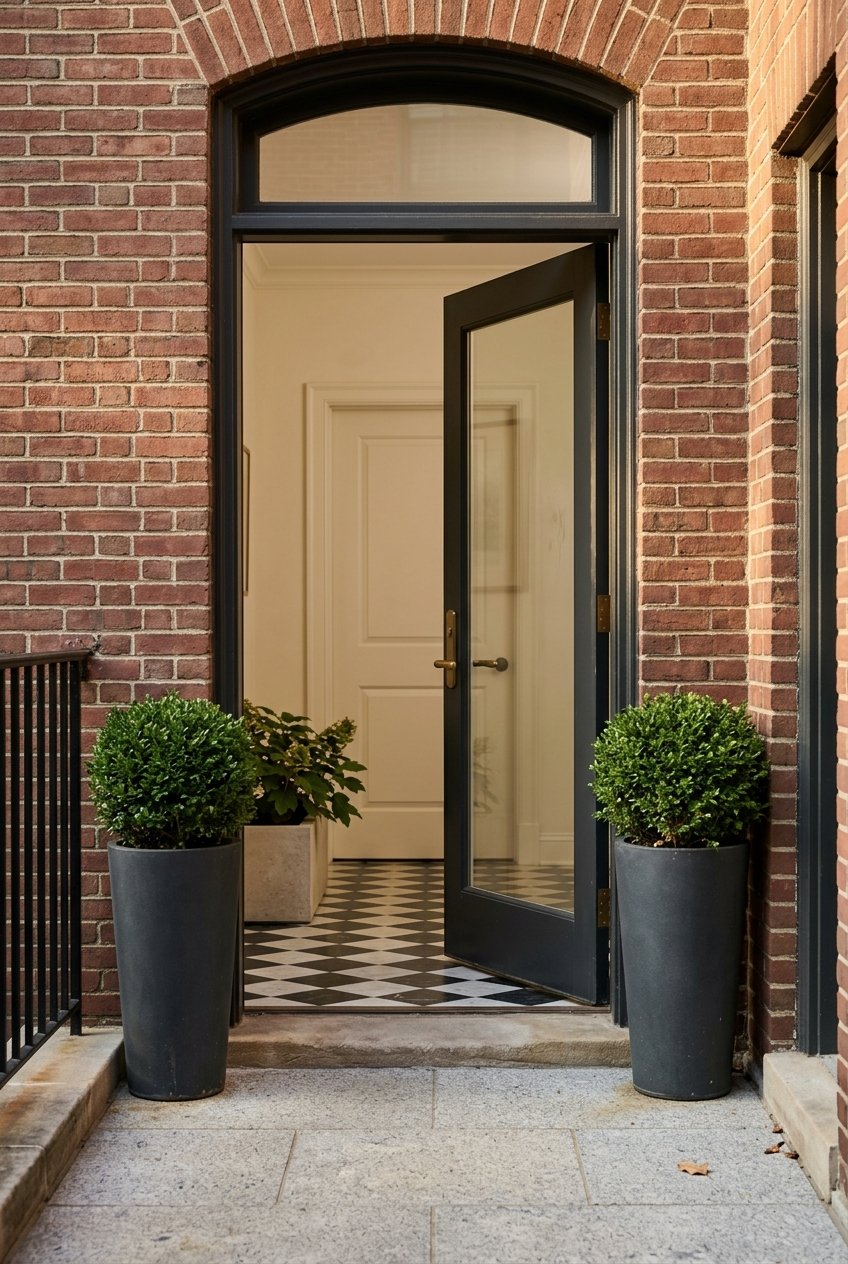
Both Back Bay and the South End are protected districts, which can affect what owners can change, especially on the exterior. Compared with a typical suburban single-family home, you may have less flexibility around renovations or exterior updates.
That does not make ownership harder by default, but it does mean due diligence matters. If you are downsizing into a condo, brownstone, or townhouse setting, it is wise to understand building rules, district considerations, and maintenance responsibilities before you commit.
Parking Feels Very Different in Boston
One of the biggest day-to-day changes for Wellesley homeowners is parking. In Back Bay, the City of Boston made curb access and parking changes in 2024, including removing 125 parking meters, with 123 spaces converted to resident permit parking.
That is a useful reminder that parking in Boston is managed much more tightly than in a suburban setting where a driveway or garage may be standard. If having a car still matters to you, parking should be part of your search criteria from the beginning, not an afterthought.
Compare Property Taxes Carefully
At first glance, Boston’s property tax rate is higher than Wellesley’s. According to Boston’s FY26 property tax information, the residential tax rate is $12.40 per $1,000 of assessed value. Wellesley’s FY2026 residential tax rate is $10.17 per $1,000.
But that is not the whole picture. Boston offers a residential exemption for qualifying owner-occupants, and FY26 materials say that exemption can reduce taxes by up to $4,353.74 for a principal residence.
As a simple comparison, a home assessed at $2 million would generate about $20,340 in Wellesley taxes, about $24,800 in Boston before the exemption, and about $20,446 in Boston after the exemption. That means a Back Bay or South End purchase may be more competitive on an after-exemption basis than the raw rate suggests.
Use Your Wellesley Equity Strategically
Many Wellesley homeowners are entering this move with meaningful equity. That can create flexibility, but it is still important to map out how much of your sale proceeds will actually be available for your next purchase.
Two numbers are especially useful to keep in mind:
- The IRS says many homeowners may exclude up to $250,000 of gain, or up to $500,000 for many joint filers, if they meet the ownership and use tests for a main home
- The CFPB says closing costs typically run about 2% to 5% of the purchase price
Those details can shape your true budget in a major way. Before you decide how much to spend in Back Bay or the South End, it helps to speak with a CPA and lender early so your plan reflects taxes, closing costs, and available cash with fewer surprises.
Why Selling First Is Often Smarter
If you are buying and selling at the same time, timing can feel like the hardest part. The Consumer Financial Protection Bureau notes that when you want to move, you normally try to sell your current home before buying another one.
For many Wellesley downsizers, that sequence makes sense. Selling first can reduce the risk of carrying two properties at once and gives you a clearer picture of what you can comfortably spend on a Boston condo or townhouse.
Timing Tools to Discuss
If your sale and purchase do not line up perfectly, planning options may include:
- Temporary housing
- Flexible closing dates
- Coordinating list and offer timing carefully
- Reviewing financing options with your lender and attorney
There is no one-size-fits-all answer. In a move from Wellesley to Back Bay or the South End, the right strategy depends on your goals, budget, and comfort level around timing.
Choose Based on Daily Life
If you are deciding between Back Bay and the South End, square footage alone will not give you the full answer. The better question is how you want your days to feel.
Back Bay may suit you if you want a highly central location, iconic streetscapes, and immediate access to major shopping and city landmarks. The South End may suit you if you want a neighborhood atmosphere, more visible park access, and a strong local dining and arts identity.
Both neighborhoods offer a very different ownership experience than Wellesley. The right move depends on whether you are ready to exchange space and autonomy for walkability, convenience, and a lower-maintenance home base.
Plan the Move With Clarity
A successful downsize is usually less about finding the smallest home and more about finding the right fit. That includes understanding neighborhood character, parking realities, tax implications, and the timing of your sale and purchase.
If you are thinking about downsizing from Wellesley to Back Bay or the South End, working with an advisor who understands both suburban and Boston-core markets can make the process feel much more manageable. Samantha Berdinka offers hands-on guidance, local insight, and a tailored strategy to help you evaluate your options with confidence.
FAQs
What does downsizing from Wellesley to Back Bay usually involve?
- It usually means trading a larger suburban home and more maintenance for a smaller urban home with more walkability, easier access to dining and transit, and different ownership considerations like parking and building rules.
How does downsizing from Wellesley to the South End compare with Back Bay?
- The South End often appeals to buyers who want a neighborhood feel, parks, and a strong restaurant and arts scene, while Back Bay often appeals to buyers who want a more central location, historic prestige, and close access to major shopping corridors.
Are Boston property taxes higher than Wellesley property taxes?
- Boston’s residential tax rate is higher on paper, but qualifying owner-occupants may benefit from Boston’s residential exemption, which can make the after-exemption comparison much closer.
Should you sell your Wellesley home before buying in Back Bay or the South End?
- The CFPB says selling first is normally the default when you want to move, and for many downsizers that approach helps reduce risk and clarifies the budget for the next purchase.
What financial costs matter when moving from Wellesley to Boston?
- In addition to the purchase price, you should factor in potential capital gains rules, closing costs that often run 2% to 5% of the purchase price, moving expenses, and any temporary housing needs if timing does not align perfectly.