Trying to decide between a brownstone and a townhouse in Boston’s South End? You are not alone. Both options offer classic city living, but the details around layouts, stairs, systems, outdoor space, and maintenance shape your day-to-day life and long-term costs. This guide breaks down how each choice fits South End living so you can buy with clarity and confidence. Let’s dive in.
Brownstone vs. townhouse: what they mean
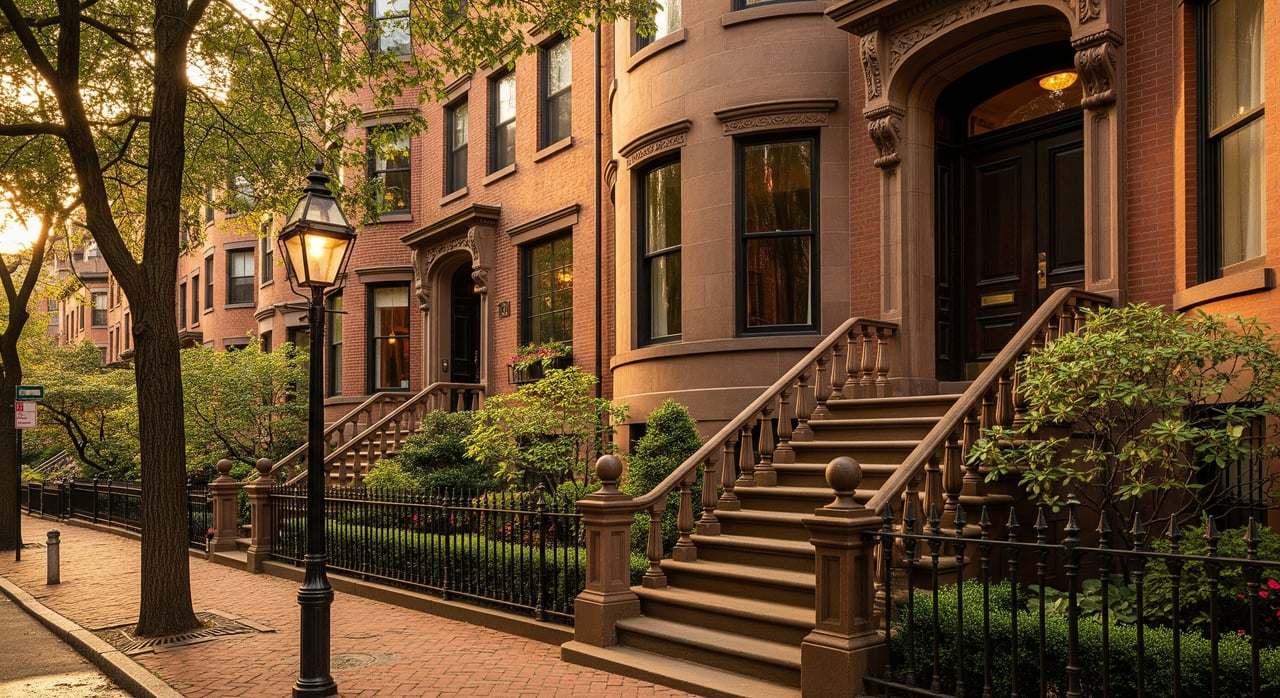
A brownstone in the South End usually refers to a 19th-century masonry rowhouse with a raised stoop, tall windows, and ornate cornices. Historically, the term described sandstone-faced buildings, though many local façades are brick or other masonry finished in a brown palette.
A townhouse is a broader real estate term. It describes a narrow, multilevel attached home that shares side walls with neighbors. In the South End, many buildings are both historic brownstones and townhouses. The difference is that “brownstone” carries architectural and historical meaning, while “townhouse” focuses on the attached, vertical-home format.
South End context you should know
The South End is one of the largest intact Victorian rowhouse districts in the country. You see consistent façades, ironwork, stoops, and narrow lots across many blocks. This character comes with benefits and trade-offs. You get a strong neighborhood identity, but exterior changes face historic-district review, and specialized maintenance is common.
Many properties started life as single-family or multi-family and were later converted. Today you will find single-family rowhouses, multi-unit buildings, and condos carved from larger townhouses. Two similar façades can hide very different interior layouts.
Architecture and layout patterns
- Classic brownstone features: raised stoop entry, tall ceilings, tall windows, decorative lintels and cornices, and deep lots with narrow fronts.
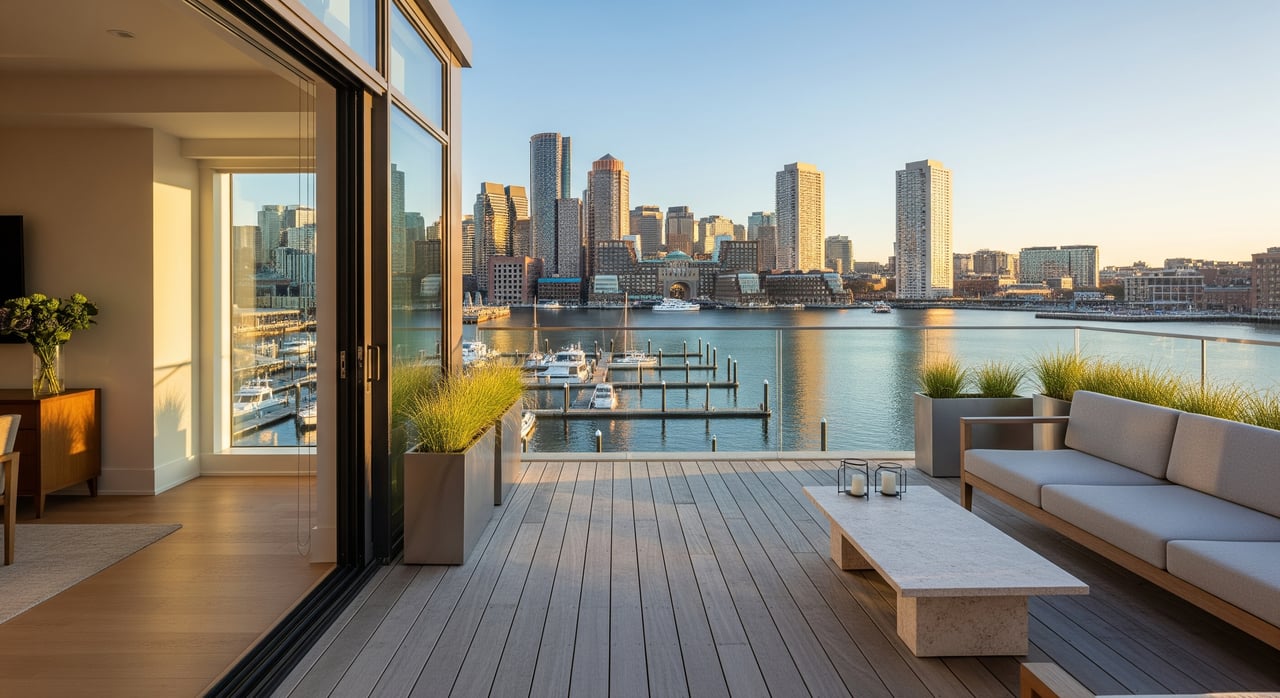
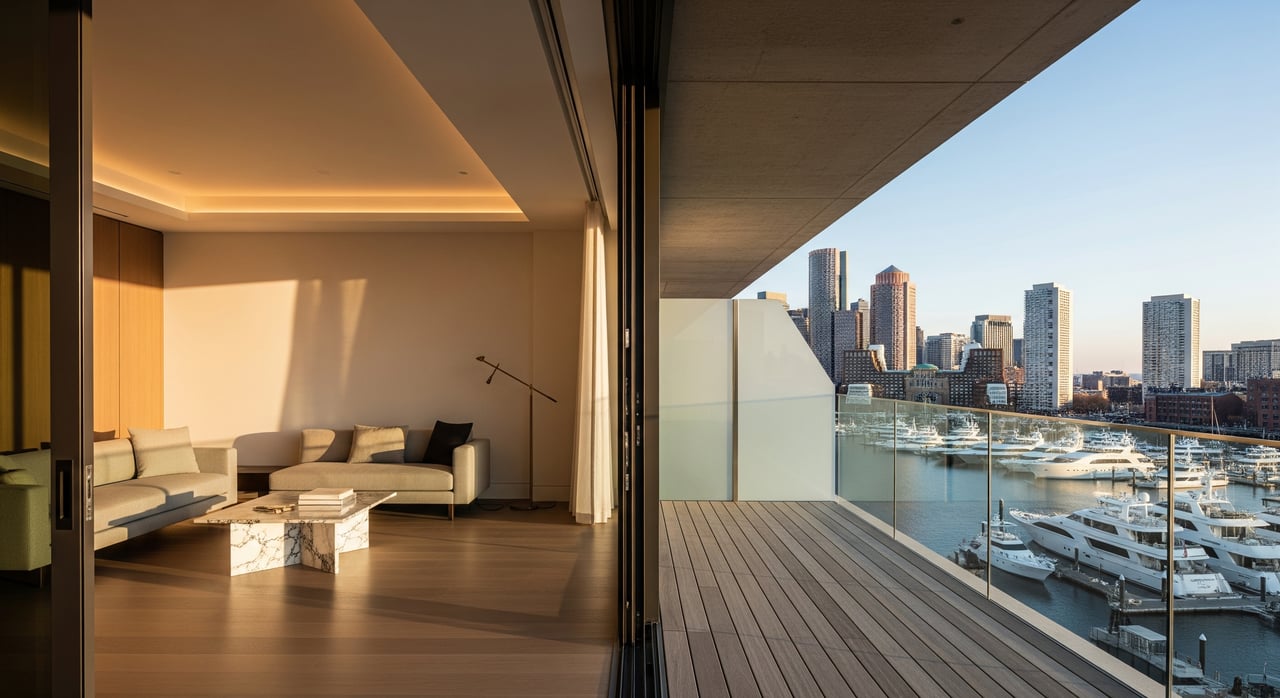
- Townhouse formats: older brick or stone rowhouses and newer attached homes. Some newer versions integrate garages or have more contemporary, open-plan interiors.
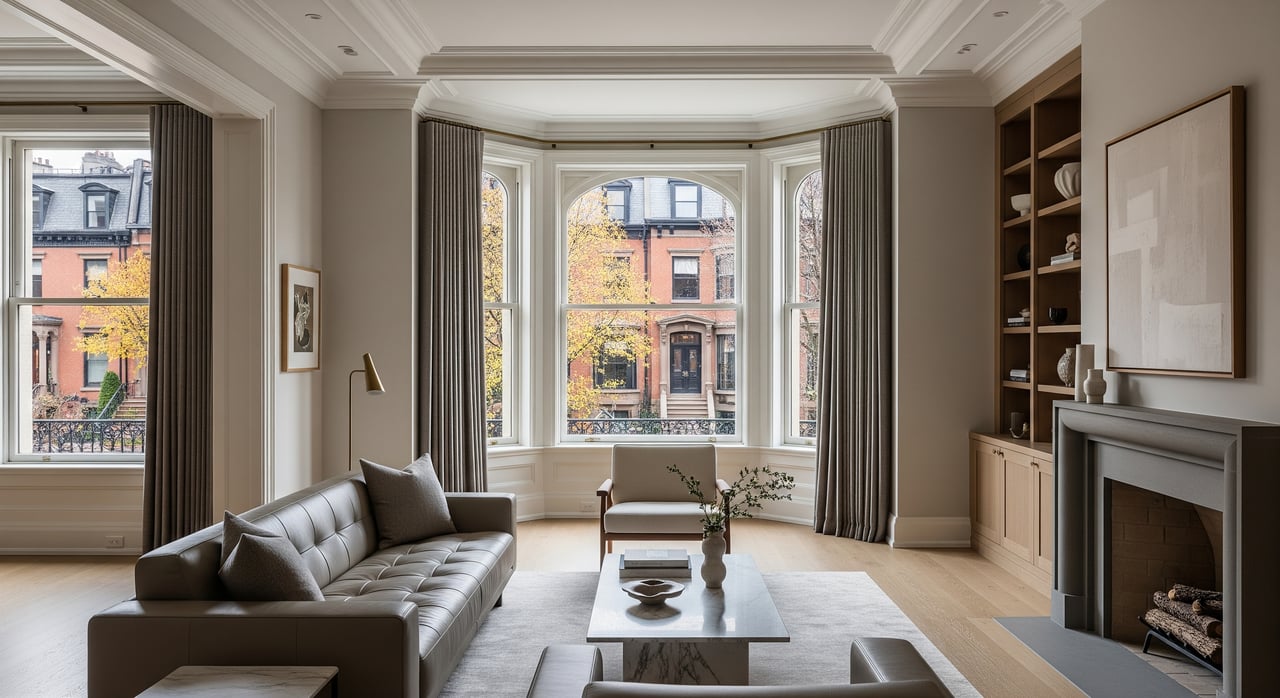
- Interiors vary by renovation: some retain formal parlor-level rooms, while others bring the kitchen to the main floor with open living and dining.
Typical floor stacking looks like this:
- Lower level: utilities, laundry, storage, and sometimes guest space.
- Parlor or main floor: living and dining, often with a kitchen in modern renovations.
- Upper floors: bedrooms and bathrooms, with some primary suites taking an entire level.
- Roof access: storage or finished space, with roof decks where permitted.
Practical takeaway: vertical living means stairs shape your daily routine and your furniture choices. Expect multiple flights between living and sleeping areas.
Stairs and accessibility
Most original South End brownstones were built without elevators. Stairs can be steeper and narrower than in newer homes. Some renovated properties add elevators, but this requires structural work, permits, and, for any visible exterior impact, historic review. If mobility is a priority, look for an added elevator or a main-level bedroom with a full bath.
Mechanical systems and comfort
Historic buildings often started with steam or hot-water boilers and radiators and may lack original ductwork for central air. Many homes now have upgraded HVAC. Where full ducts are impractical, mini-split systems are common for cooling. Expect that older electrical and plumbing may have been updated during renovations. Chimneys and flues may need routine inspection, especially if fireplaces or older boilers are in place.
Bottom line: factor the age and condition of major systems into your offer and inspection strategy. Specialist evaluations for masonry, roofing, and mechanicals are smart in this neighborhood.
Outdoor space and parking
Front stoops add charm and street presence, but private front-yard space is limited. Many properties have small rear gardens or patios, which can be great for dining and container gardening. Roof decks are popular additions that deliver skyline views, but they require zoning compliance and historic-district review, especially for visibility from the public way.
On-site parking is uncommon on classic South End lots unless a rear or lane garage exists. Some townhouses have been adapted to include garages, but many residents rely on walking, MBTA access, resident street parking, or nearby garages. If parking is a must-have, flag it early in your search and verify exact arrangements.
Maintenance and cost drivers
Historic masonry façades need periodic care. Brownstone can spall and erode and may require specialized stone repair. Brick mortar joints need tuckpointing over time. Iron railings and cornices need periodic painting and repair. Older slate roofs need specialty work, and tall historic wood windows require maintenance. Cellars may need waterproofing or foundation attention in some cases.
Specialty materials and skilled trades add cost and time. A thorough inspection, plus targeted evaluations for masonry, roofing, and systems, helps you price maintenance into your plan.
Ownership structures and responsibilities
- Fee-simple single-family: you manage and pay for all interior and exterior maintenance.
- Condominium: you own your unit and share responsibility for common elements. Association fees fund maintenance and reserves. Review bylaws, budgets, reserve studies, and meeting minutes.
- Cooperative or small multi-unit agreements: responsibilities vary by internal agreements. Confirm rules, reserves, and any planned work.
Before you commit, ask for maintenance histories, recent assessments, and permits for past renovations.
Historic-district rules and permits
The South End is a designated historic district. Exterior changes, visible roof decks, and major façade work typically require review and approval by the Boston Landmarks Commission or the relevant historic-district body. Zoning and building permits apply to structural changes, additions, and mechanical upgrades. These rules shape design choices, timelines, and materials. Proper permits protect your investment and help future resale.
Resale and lifestyle trade-offs
- Historic brownstone strengths: architectural character, high ceilings, period details, and a strong sense of place. Considerations include stairs, smaller kitchens unless renovated, and more frequent specialty maintenance.
- Renovated or newer townhouse strengths: open-plan living, modern systems, possible elevator or garage, and lower near-term maintenance. Consider that some buyers value historic detail and curb appeal, which newer formats may not emphasize.
Renovations that blend historic character with modern kitchens, baths, HVAC, laundry, and well-documented permits tend to perform well. Financing and buyer demand also reflect ownership type. Some buyers and lenders prefer fee-simple single-family homes, while others are comfortable with condos if the association is well run with adequate reserves.
How to choose what fits you
Use this checklist to compare properties on your shortlist:
- Historic-district status and permits: were past exterior or roof-deck changes approved and documented?
- Ownership structure: fee-simple, condo, co-op, or multi-unit. What do fees and reserves cover?
- Systems and envelope: age and condition of roof, masonry, windows, HVAC, boiler, electrical, and plumbing.
- Accessibility: existing elevator, space or plans to add one, or a main-level bedroom and full bath.
- Outdoor space: rear yard, balcony, and roof-deck permissions and compliance.
- Parking: on-site parking, rear access, or proximity to garages and resident-permit rules.
- Maintenance history: recent inspections for masonry, roof, and structure. Any special assessments or upcoming projects.
When you weigh these items against your day-to-day priorities, the right fit becomes clear.
Ready for expert guidance?
If you are comparing specific South End homes, a local advisor can help you model trade-offs, review permits and condo documents, and price upcoming maintenance into your offer. For tailored advice and neighborhood-level insight, connect with Samantha Berdinka.
FAQs
What is the difference between a South End brownstone and a townhouse?
- A brownstone refers to the historic 19th-century masonry rowhouse style with stoops and ornate details, while townhouse is a broader term for attached multilevel homes.
Are South End brownstones always made of brownstone stone?
- Not always; many façades are brick or other masonry, and “brownstone” is often used as a shorthand for the classic rowhouse style.
Can you add a roof deck on a South End brownstone or townhouse?
- Often yes, but it usually requires zoning compliance and historic-district review, especially if visible from the public way.
Do most South End townhouses include parking?
- No; on-site parking is uncommon on classic lots, so buyers often rely on walking, transit, resident permits, or nearby garages.
How difficult is it to add an elevator in a South End brownstone?
- It is possible, but it requires structural work, permits, and may involve historic review, which adds time and cost.
Who pays for exterior work in a condo-converted townhouse?
- The condominium association typically handles common elements like the roof and façade, funded by association fees and reserves per the bylaws.
How do historic-district rules affect renovations in the South End?
- Exterior and visible roof changes usually require approval; rules influence materials, design, and timeline, while interior work may be simpler.
Which is easier to finance, a single-family brownstone or a condo townhouse?
- Lender preferences vary; clear fee-simple ownership is straightforward, while condo loans rely on a stable association with adequate reserves.