If your ideal Boston day starts with an espresso, a short walk by the harbor, and dinner on a cozy brick-lined street, the North End may feel like home. Choosing where to live is a big decision, and this small neighborhood packs a lot of character and convenience into a compact footprint. In this guide, you’ll learn how the North End lives day to day, what housing looks like, how transit and parking work, and the tradeoffs to expect. Let’s dive in.
North End at a glance
Boston’s North End is the city’s oldest residential neighborhood, known for its compact scale, historic fabric, and strong Italian American identity. Hanover and Salem Streets are the main commercial corridors, lined with bakeries, trattorias, and specialty shops that keep daily life lively and local. You feel the history in the brick, but the energy skews young and highly educated, which supports a vibrant, pedestrian-first routine. For a concise neighborhood overview, see the City’s planning profile of the North End.
Walkability and transit
If you value living car-light, the North End excels. Walk Score assigns the neighborhood a Walk Score of 99, and transit access is strong. While there is no MBTA station physically inside the North End, Haymarket, North Station, and Aquarium are typically a 5 to 10 minute walk from central points, which puts the rest of Boston within easy reach. Most errands, coffee runs, and dinners out happen on foot.
Daily rhythm and food culture
The streets are narrow and intimate, with short blocks and storefronts that encourage strolling and window shopping. That Old World scale creates an “old-city” feel that favors walkers over drivers. Dining is central to everyday life here. Hanover and Salem concentrate long-standing cafes, trattorias, and seafood spots, so grabbing a pastry, running an errand, and meeting friends for dinner can all happen within a few blocks.
Names you will hear often include Mike’s Pastry, Modern Pastry, Neptune Oyster, Giacomo’s, and Caffè Vittoria. Expect a mix of neighborhood regulars and visitors, especially on weekends.
- Iconic local: Mike’s Pastry
- Neighborhood dining context: North End profile
Parks, harbor, and short walks
On the waterfront, Christopher Columbus Waterfront Park offers lawns, seating, and harbor views for a quick reset between errands or after work. The Paul Revere Mall, also known as the Prado, is a shady pedestrian way that links Hanover Street to the Old North Church and serves as a daily pass-through, a quiet reading spot, and a historic touchpoint. Pocket greens, the HarborWalk, and short walks to historic sites like Copp’s Hill give you easy options for fresh air in a dense setting.
- Waterfront green space: Christopher Columbus Waterfront Park
- Neighborhood plaza: Paul Revere Mall restoration update
Seasonal energy and festivals
From spring through fall, foot traffic climbs, especially on weekends. The neighborhood’s cultural calendar peaks with the traditional Italian feasts, the largest being Saint Anthony’s Feast in late August. Feast weekends bring food vendors, music, processions, and very high pedestrian volumes, which is part of the North End’s identity and something to plan around for deliveries or driving. Winter is calmer, which many residents appreciate.
- Event details: Saint Anthony’s Feast
Homes and buildings you’ll find
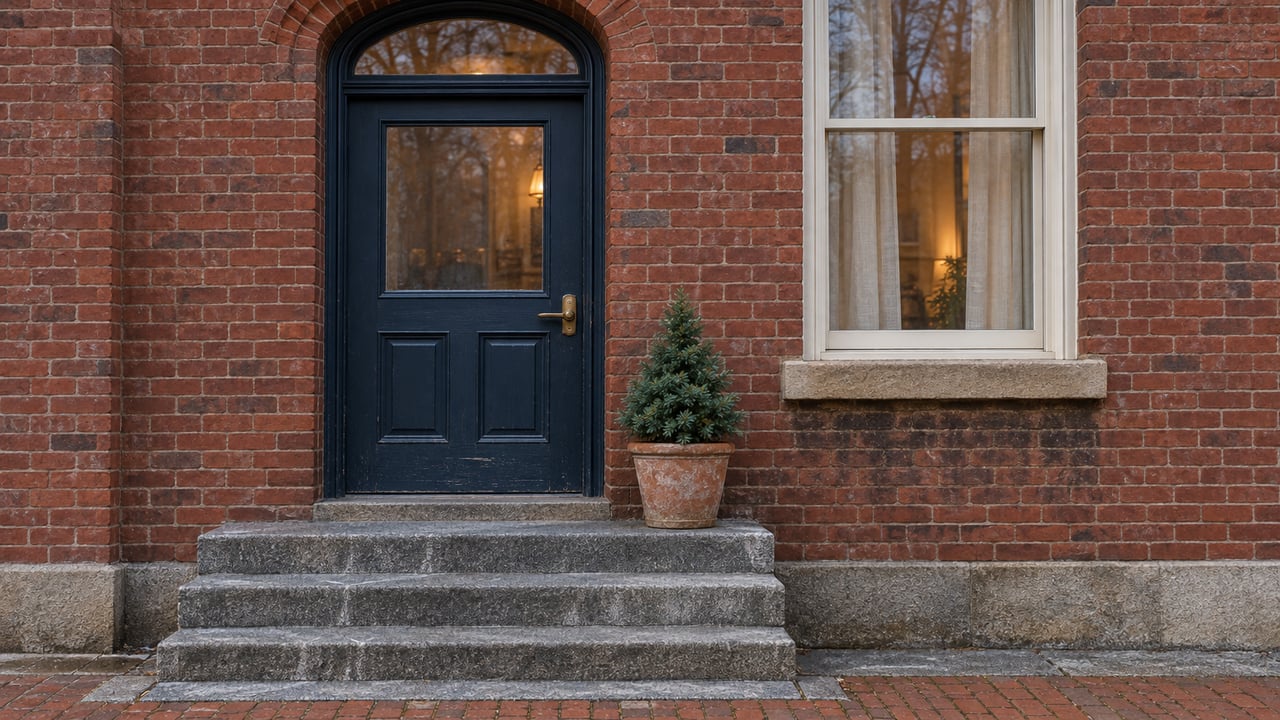
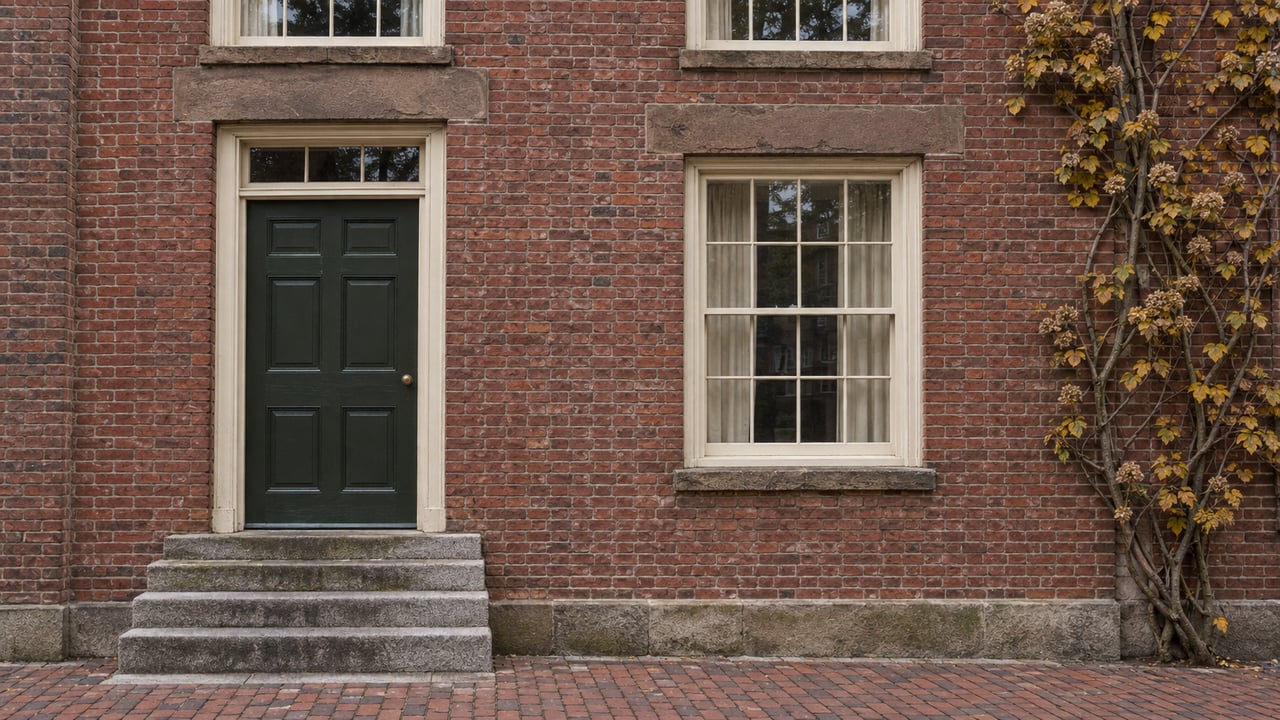
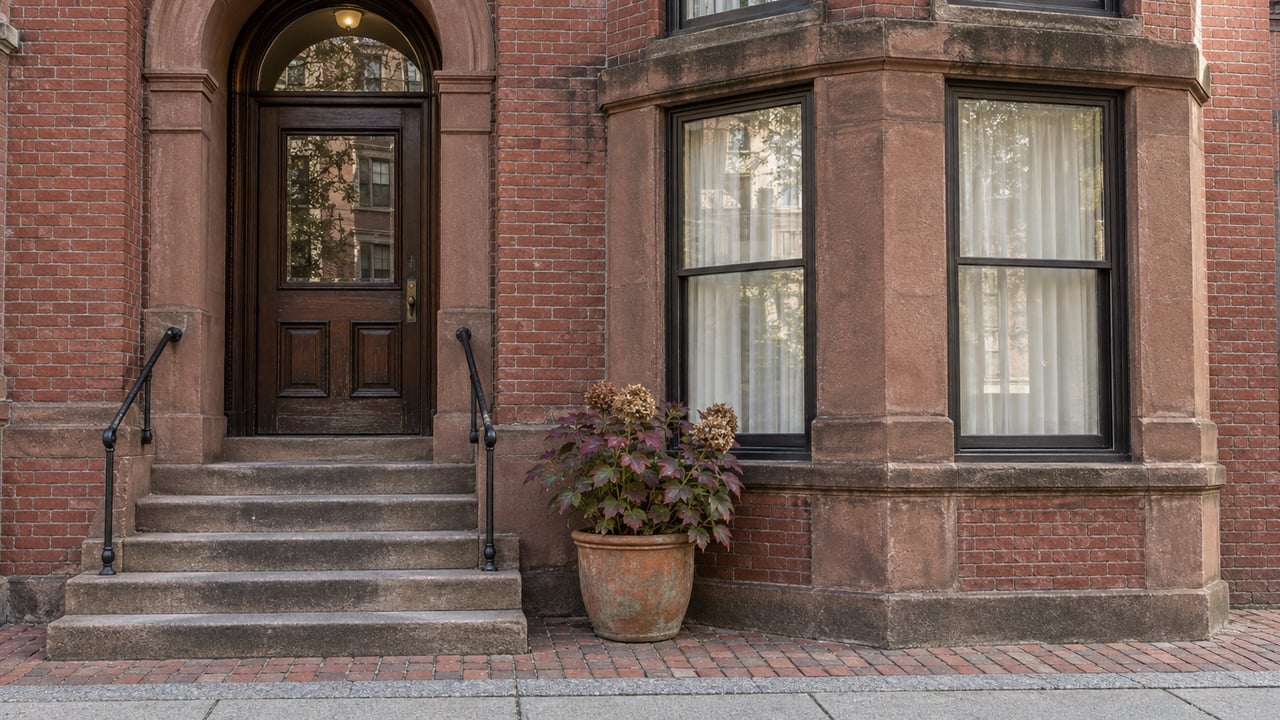
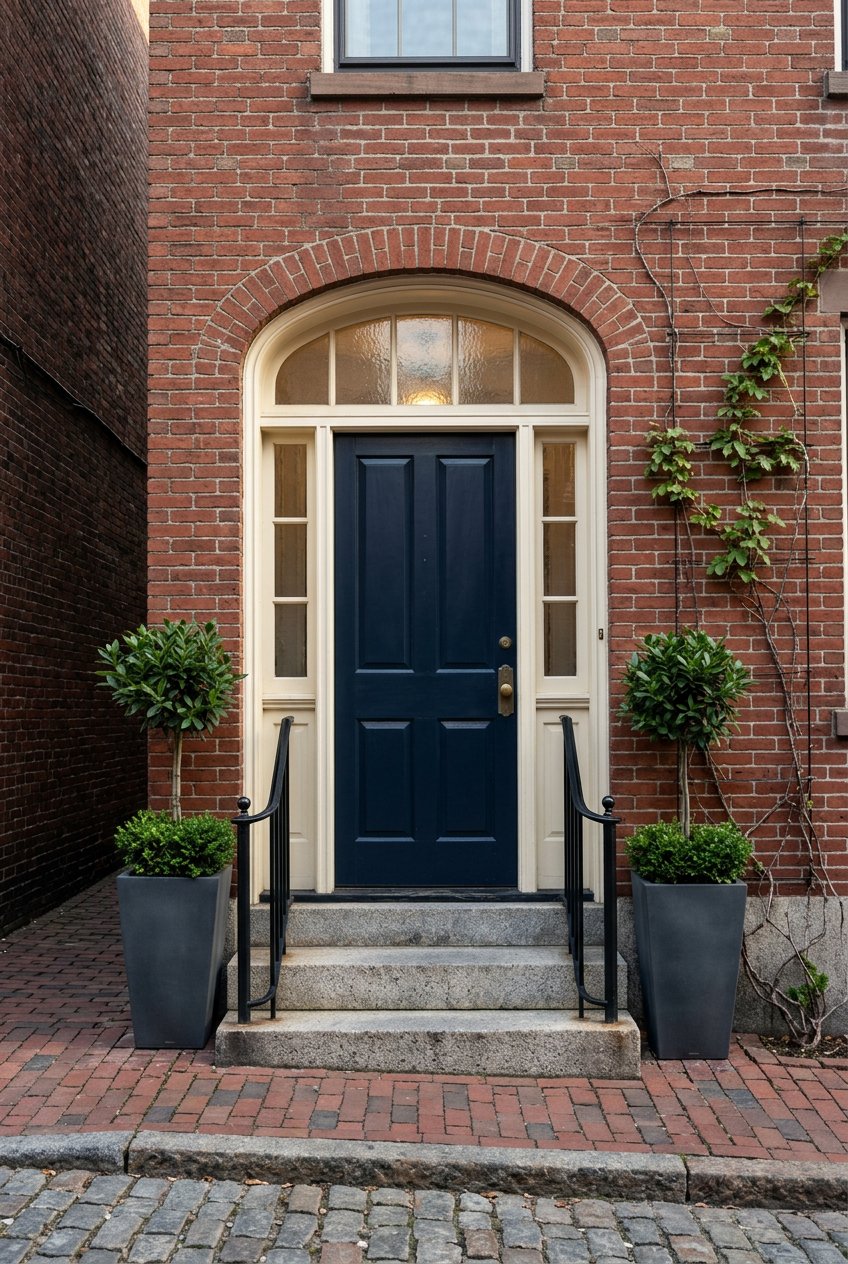
Most interior blocks feature older masonry rowhouses, narrow multi-story walk-ups, and small townhouses. Along the waterfront, historic wharf and warehouse buildings have been converted into loft-style condos. You will also find full-service waterfront developments that offer amenities, which is a contrast to many interior walk-ups that do not include elevators or parking. Renovations and condo conversions are common, which adds variety within a relatively small area.
- Fabric and housing types: North End profile
Market snapshot and price patterns
As a recent snapshot, Redfin reported a North End median sale price near 823,000 to 825,000 dollars in January 2026. Because total sales counts are small, month-to-month medians can swing. Waterfront and wharf condos tend to sit at the high end of the local market, ranging from the high six figures to multiple millions for larger homes with views and amenities. Historic preservation and limited space mean new large-scale development is rare, so resale inventory stays tight.
- Market reference: Redfin North End housing data
- Preservation and supply context: North End profile
Parking and getting around with a car
By design, the North End is not car-friendly. Streets are narrow, curb space is limited, and many buildings are older walk-ups without dedicated parking. Some waterfront properties and select buildings offer garage or valet options, but many residents either skip car ownership or use nearby garages. If parking is a must-have, confirm specifics in the building’s condominium documents and review resident parking permit details with the City before you buy or lease.
Who thrives in the North End
This neighborhood is a strong fit if you prioritize walkability, short commutes to downtown, and a rich dining and cafe culture set in historic surroundings. Young professionals, food-minded households, and many singles and couples choose the area for its low-maintenance, urban lifestyle. Families with young children can and do live here, but should expect smaller floor plans, limited private outdoor space, and the need to weigh school options.
- Lifestyle fit: North End profile
Schools and local institutions
Public school assignments and enrollment policies can change, so verify current details with Boston Public Schools. The Eliot Innovation School has seen recent renovation and repurposing projects nearby, which reflects ongoing public investment in the area. The North Bennet Street School, a respected vocational institution, also contributes to the neighborhood’s community fabric and identity.
- Recent school project: Eliot Innovation School project brief
Everyday errands and services
Daily needs are handled through small specialty grocers, corner markets, and food shops along Hanover and Salem. For larger grocery runs, many residents take a short walk, ride, or transit trip to adjacent neighborhoods with bigger stores. Boston’s major hospitals and health systems are a quick trip away, which keeps healthcare access convenient.
- Retail and services context: North End profile
Quality-of-life tradeoffs
The North End functions as a high-activity urban neighborhood. Residents sometimes report late-night noise, litter, or crowds, especially during feast weekends and peak tourist seasons. For objective context, the City of Boston publishes crime incident data that you can filter by street or block to review recent activity where you plan to live. Balancing these tradeoffs is part of deciding whether the North End’s convenience and character match your lifestyle.
- Data resource: City of Boston crime incident data sources
Is the North End a fit for you?
You may love living here if you want a walk-to-everything lifestyle, a strong neighborhood identity, and an easy commute to downtown offices and cultural venues. The food scene is a bonus, and harbor views are never far away. On the other hand, you should plan for compact floor plans, potential stairs in walk-ups, limited parking, and seasonal crowds.
If you are weighing these tradeoffs or want a pricing read on a specific building, reach out. For tailored guidance, a curated home search, or an instant home valuation, connect with Samantha Berdinka. She blends neighborhood-level insight with polished, concierge-style service to help you move with confidence.
FAQs
How walkable is Boston’s North End for daily errands?
- The neighborhood earns a Walk Score of 99, and most errands, cafe stops, and dinners out can be done on foot along Hanover and Salem Streets, with strong transit nearby. See Walk Score’s North End summary.
What is the MBTA access like from the North End?
- There is no station inside the neighborhood, but Haymarket, North Station, and Aquarium are typically a 5 to 10 minute walk from central North End blocks, which keeps downtown and beyond within easy reach; see the North End overview.
Are there parks or waterfront paths in the North End?
- Yes, Christopher Columbus Waterfront Park offers lawns and harbor views, and the Paul Revere Mall provides a shady pedestrian route, with additional short walks along the HarborWalk; learn more about the waterfront park.
What do home prices look like in the North End right now?
- As a recent reference point, Redfin reported a median sale price near 823,000 to 825,000 dollars in January 2026, though medians can swing due to low sales counts; see Redfin’s neighborhood data.
Is parking difficult in the North End?
- Yes, street parking is scarce and many buildings are older walk-ups without dedicated spaces, so residents often rely on garages in select buildings, go car-free, or use nearby facilities; confirm parking details in building documents before you buy or lease.
How busy does the North End get during festivals?
- Feast weekends, especially Saint Anthony’s Feast, bring very high pedestrian volumes, music, and vendors along key streets; weekdays and winter months are generally much quieter.