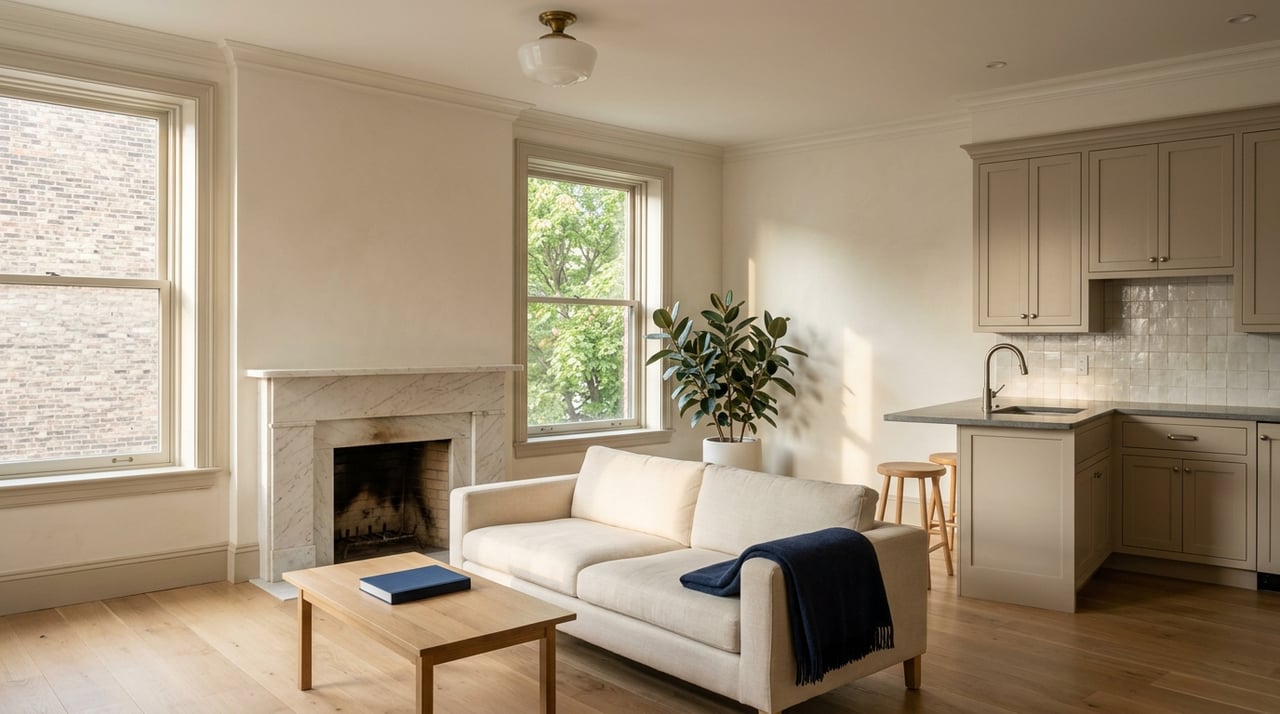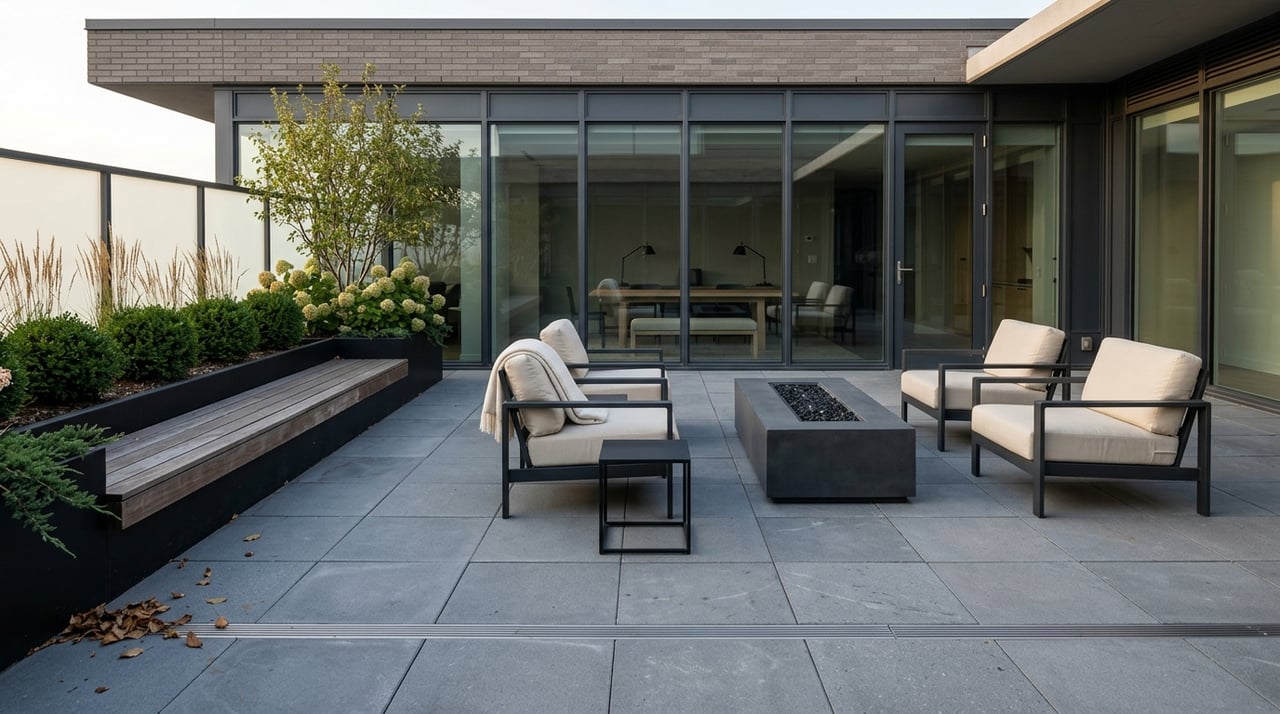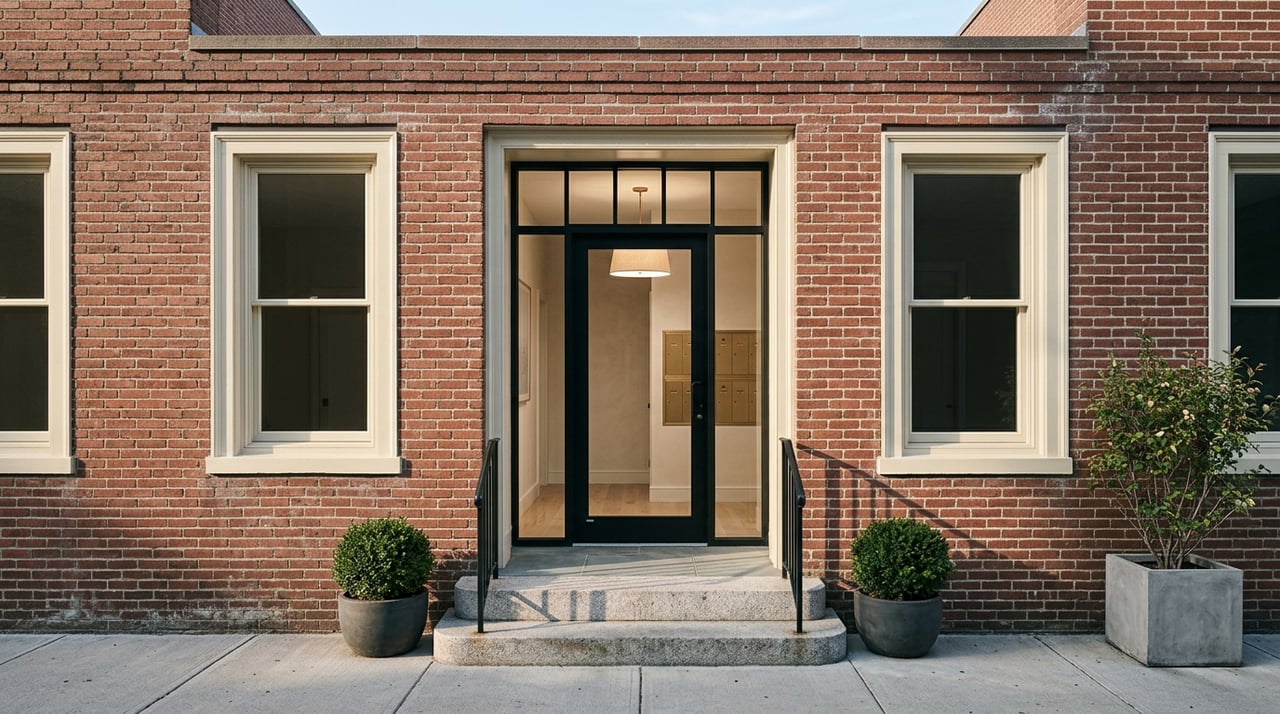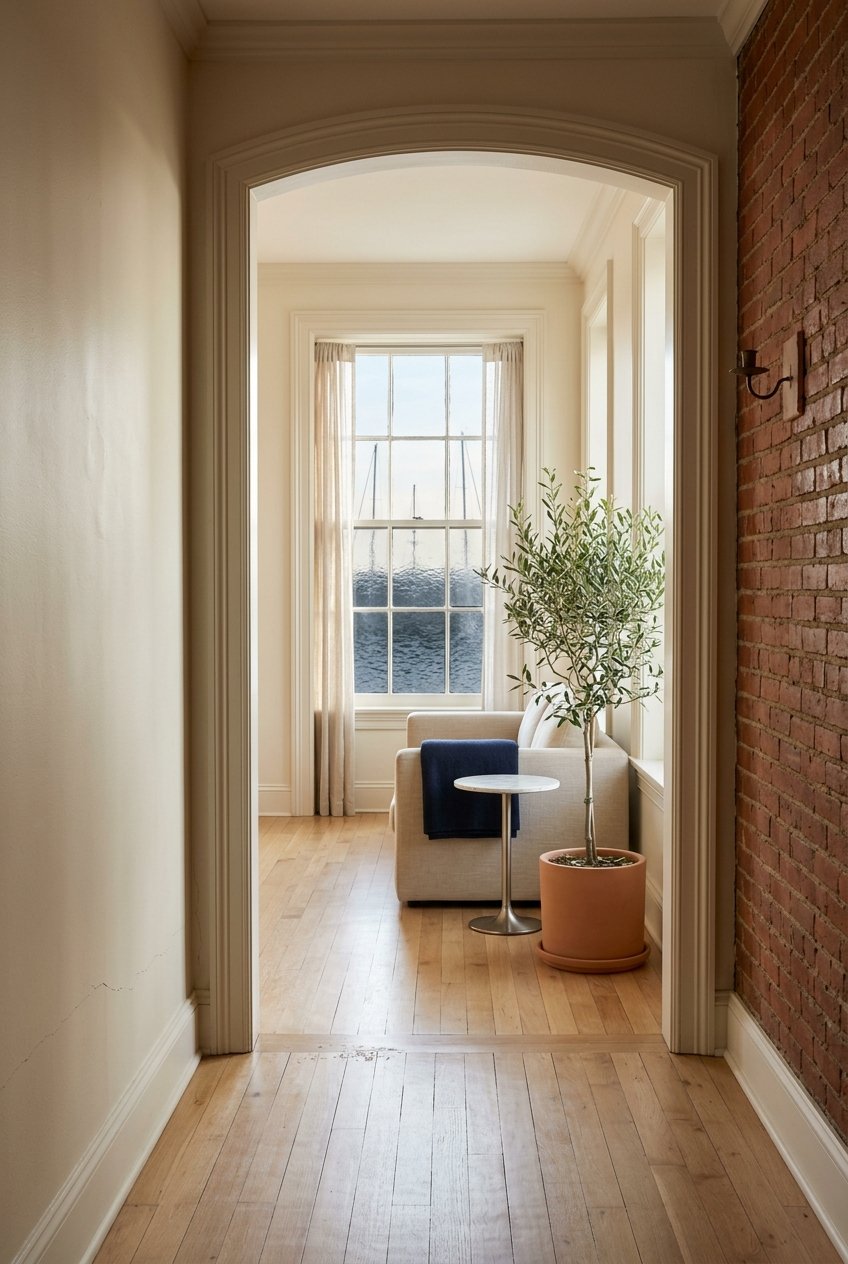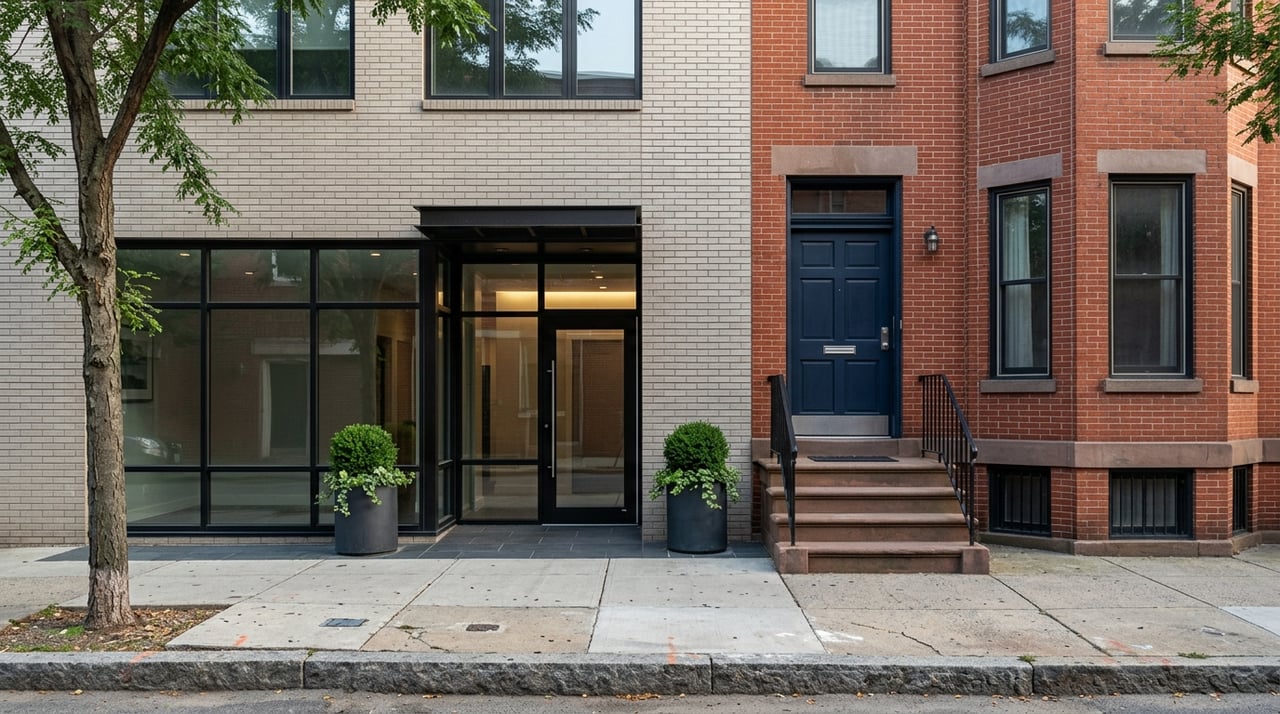
Trying to choose between a condo and a rowhouse in South Boston? It is a common fork in the road, and the right answer usually has less to do with what sounds more appealing on paper and more to do with how you want to live day to day. In a neighborhood with historic brick homes, newer waterfront development, limited parking, and strong outdoor access, your best fit depends on your budget, maintenance tolerance, and lifestyle priorities. Let’s break it down.
Why this choice matters in South Boston
South Boston is not a one-size-fits-all neighborhood. According to the Boston Planning & Development Agency, the neighborhood has 40,904 residents and 20,251 housing units, with a mix of older residential blocks and newer housing near the waterfront.
That mix is exactly why the condo versus rowhouse decision matters here. You are not just choosing a property type. You are choosing how much control you want, how much upkeep you can handle, and what tradeoffs feel worth it in a dense Boston neighborhood.
Start with the ownership structure
Before you compare monthly costs, make sure you understand what you are actually buying. In Massachusetts, a condominium is privately owned but governed through a master deed, bylaws, and Chapter 183A, with an organization of unit owners handling common areas and certain shared responsibilities.
A rowhouse, by contrast, may be fee simple or part of a condo conversion. That distinction matters because a fee-simple rowhouse often puts more of the maintenance burden directly on you, while a condo structure may spread some responsibilities across the association.
If you are looking at a South Boston rowhouse, do not assume it works like a stand-alone house. Ask early whether the property is fee simple or condo-owned so you can compare costs and responsibilities accurately.
Compare the real monthly cost
A condo often looks simpler at first glance because many shared expenses are bundled into HOA dues. In Massachusetts, condo associations are responsible for common-area insurance, recordkeeping, reserve funds, and oversight of common-area maintenance and repair.
That means the monthly condo payment is not just your mortgage. You also need to factor in HOA dues as part of the true carrying cost. In return, you may get a more predictable ownership experience, especially if the building is well run.
A rowhouse may seem less expensive month to month if there is no HOA fee. But if you own the property fee simple, you may be paying directly for roof work, exterior repairs, systems maintenance, and snow removal.
In South Boston, where much of the housing stock is older, that difference can be meaningful. A smart comparison is not mortgage versus mortgage. It is mortgage plus HOA versus mortgage plus likely repairs and upkeep over the next few years.
Review condo documents carefully
If a condo is on your shortlist, the building’s financial health matters almost as much as the unit itself. Massachusetts law requires an adequate replacement reserve fund and formal financial reporting.
That is why buyers should review the association budget, reserve funding, and recent financial report closely. A lower condo fee can look attractive, but it may not be a bargain if reserves are thin and larger repairs are coming.
This is one of the biggest reasons some buyers love condos and others shy away from them. You may get convenience and shared upkeep, but you also have to be comfortable with shared decision-making and the financial management of the association.
Parking can be the tie-breaker
In South Boston, parking is not a small detail. It is often the deciding factor. The BPDA transportation guide says the neighborhood accounts for close to 20% of Boston’s residential vehicle permits, has about three permits for every on-street parking space, and 60% of households have more than one permit.
The same guide notes that 2,287 addresses have at least four permitted vehicles. Add in neighborhood-specific resident permits, street cleaning, snow emergencies, construction zones, temporary restrictions, and the current pause on expanding the Resident Parking Program, and it becomes clear that having a permit does not guarantee an easy parking experience.
For that reason, deeded or assigned parking can be more important than whether a home is technically a condo or a rowhouse. If you own a car and use it often, parking should be one of your first listing filters, not an afterthought.
Think about outdoor space differently
South Boston offers unusually strong outdoor amenities for an urban neighborhood. The BPDA highlights Carson Beach, L Street Beach, Pleasure Bay, the Strandway, and waterfront access connected to the Harborwalk network.
That neighborhood setting can change how you think about private outdoor space. If you spend a lot of time walking, running, or getting outside near the water, you may feel comfortable with a smaller balcony or shared roof deck in a condo.
On the other hand, if you want your own private outdoor area for dining, relaxing, or entertaining, treat that as a firm requirement. A patio, roof rights, deck, or private stoop can be a major plus in South Boston, but none of those features should be assumed in either property type.
Condos fit convenience-first buyers
For many buyers, condos offer the easiest day-to-day ownership experience. Shared systems and common areas are typically handled through the association, which can make life feel more streamlined.
That low-friction setup often appeals if you value predictability and a more locked-in monthly routine. It can also be a strong fit if you travel often, have a busy work schedule, or simply do not want to manage every exterior issue yourself.
The tradeoff is control. Building decisions, shared repairs, and common-space rules are not yours alone to make.
Rowhouses fit control-oriented buyers
Rowhouses often appeal to buyers who want a stronger single-home feel in an urban setting. When the property is fee simple, you can often make more of the major decisions about the home’s exterior and future changes, subject to permits and any deed restrictions.
That can be especially attractive in South Boston, where historic residential fabric gives many blocks a more traditional house feel. If privacy, independence, and customization matter most to you, a rowhouse may line up better with how you want to live.
The tradeoff is responsibility. More control usually means more hands-on upkeep, more budgeting for repairs, and more direct decision-making when something needs attention.
A simple South Boston comparison
| Priority | Condo may fit better | Rowhouse may fit better |
|---|---|---|
| Monthly routine | More predictable with HOA dues and shared upkeep | More variable with owner-paid repairs |
| Maintenance | Lower day-to-day involvement | More direct responsibility |
| Control | Shared decisions through the association | More owner control, especially if fee simple |
| Privacy | Depends on building layout and shared spaces | Often stronger single-home feel |
| Outdoor space | Balcony or shared roof deck may be enough | Private deck, patio, or roof rights may matter more |
| Parking | Deeded or assigned space is a major plus | Deeded or assigned space is also a major plus |
How to choose your best fit
If you are stuck between the two, focus on your daily life instead of the label. Ask yourself where you want simplicity, where you want control, and what inconveniences you will actually feel every week.
A condo may be the better choice if you want convenience, shared upkeep, and a more predictable ownership structure. A rowhouse may be the better choice if you want more privacy, more control, and a classic house feel in the city.
In South Boston, the biggest tie-breakers are usually parking and maintenance budget. Once those two are clear, the right answer often becomes much easier.
If you want help weighing specific South Boston listings, comparing condo documents, or narrowing your search based on how you actually live, Samantha Berdinka offers hands-on guidance with the kind of neighborhood detail that makes these decisions feel clearer and more confident.
FAQs
What is the main difference between a South Boston condo and a South Boston rowhouse?
- A South Boston condo usually involves shared building governance and HOA dues, while a South Boston rowhouse may offer more direct control, especially if it is owned fee simple.
How should buyers compare condo fees and rowhouse costs in South Boston?
- Compare the full monthly picture: mortgage plus HOA dues for a condo versus mortgage plus likely owner-paid repairs, maintenance, and seasonal costs for a rowhouse.
Why is parking such a big factor for South Boston buyers?
- South Boston has far more residential parking permits than on-street spaces, and local parking rules add extra limits, so deeded or assigned parking can have a major impact on daily convenience.
Do South Boston condos always have less outdoor space than rowhouses?
- Not always. Some condos offer balconies or shared roof decks, while some rowhouses offer private decks, patios, or roof rights, but private outdoor space varies by property and should be confirmed case by case.
Who should consider a condo in South Boston?
- A condo may suit you if you want lower-friction living, shared upkeep, and a more predictable monthly routine.
Who should consider a rowhouse in South Boston?
- A rowhouse may suit you if you want more privacy, more control over the property, and a stronger single-home feel in an urban neighborhood.