What if your Boston home did not need to be your full-time address to add real value to your life? If you want a refined, low-maintenance place for work trips, weekends, or regular city stays, Beacon Hill often stands out for its location, walkability, and historic character. Understanding how this neighborhood works as a pied-à-terre can help you decide whether the lifestyle, housing stock, and ownership realities match what you need. Let’s dive in.
Why Beacon Hill fits a pied-à-terre
Beacon Hill offers a rare mix of city-center convenience and residential character. According to Boston’s neighborhood overview, the neighborhood is about one square mile, shaped by old colonial Boston, and anchored by Charles Street’s everyday shops, restaurants, and local businesses.
That compact footprint matters when you are buying a part-time home. A pied-à-terre tends to work best when you can arrive, settle in quickly, and do most of what you need on foot. In Beacon Hill, that kind of day-to-day ease is a big part of the appeal.
Beacon Hill’s location advantage
One reason Beacon Hill works so well for occasional stays is its position within Boston’s core. The neighborhood sits close to major public spaces and landmarks, and Boston’s historic district page notes that exterior visibility in the area extends to places like the Boston Common, Public Garden, Storrow Drive, the Charles River Esplanade, and the Longfellow Bridge.
For you as an owner, that centrality can make short stays feel easy and worthwhile. Whether you are coming in for a few nights, a long weekend, or a recurring work schedule, Beacon Hill places you near downtown Boston while still feeling distinctly residential.
Housing stock often suits part-time owners
Beacon Hill is not a neighborhood defined by sprawling detached homes. Its identity is closely tied to historic rowhouses, apartment buildings, and conversions that naturally support a more compact urban lifestyle.
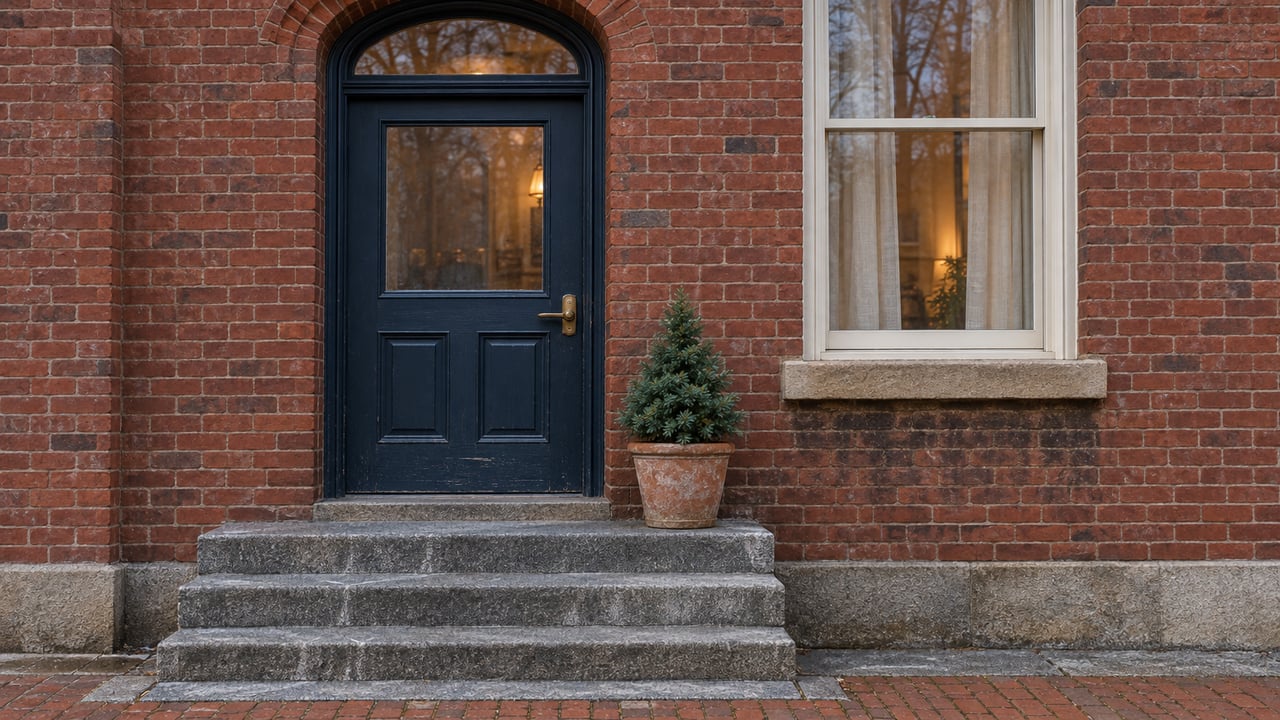
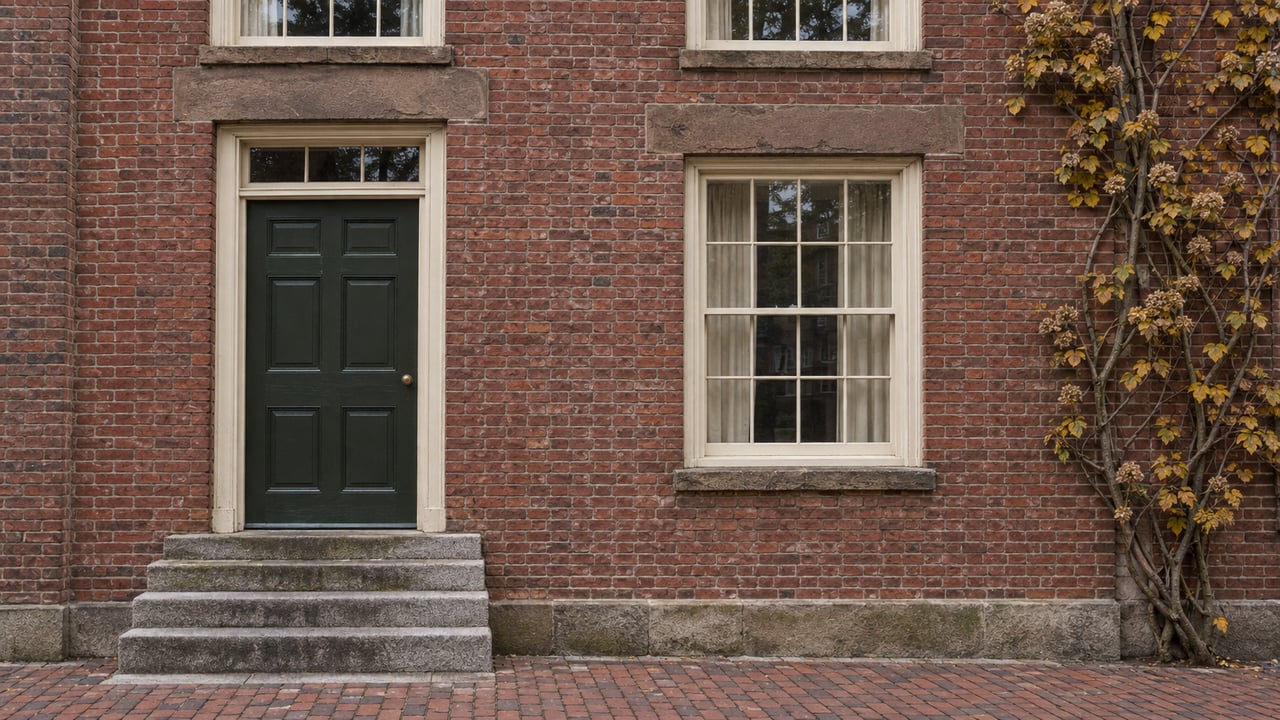
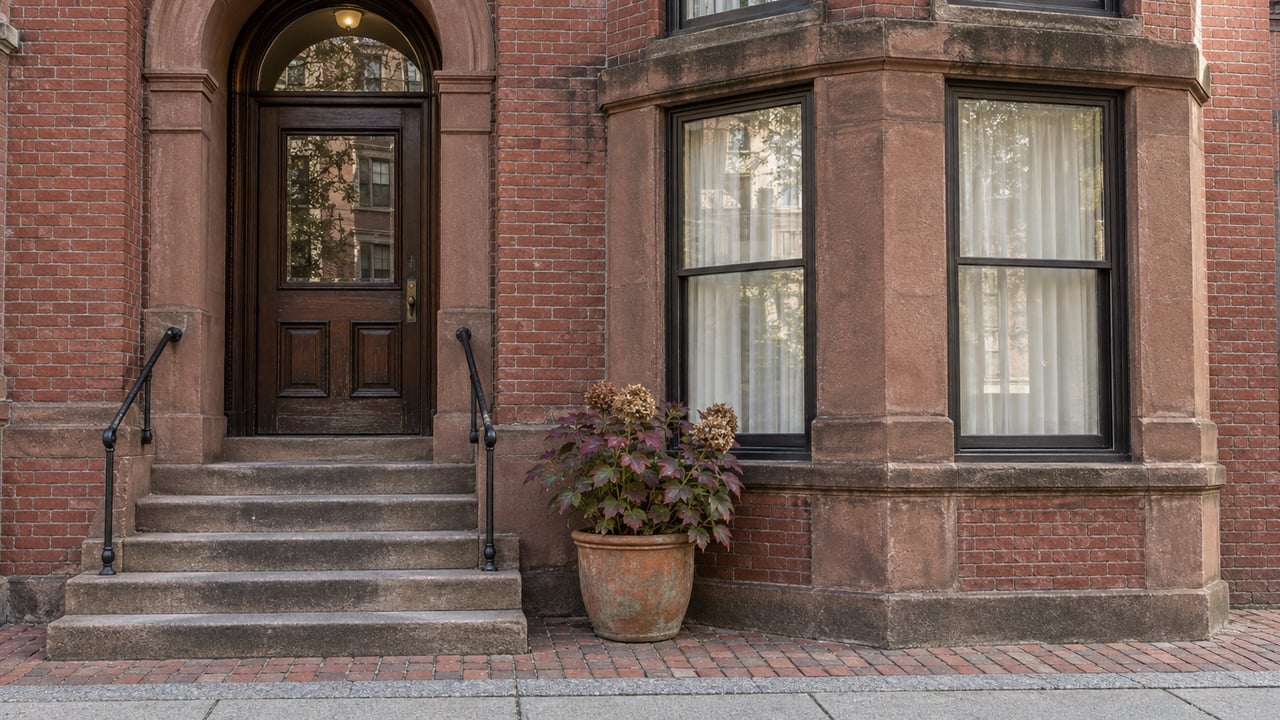
The Beacon Hill Architectural Commission guidelines describe a neighborhood with Federal and Greek Revival architecture, later bowed-front rowhouses, and 19th-century apartment buildings. The same source also notes examples of former stables and carriage houses converted into lofts and studios.
That means a Beacon Hill pied-à-terre may take several forms, including:
- A flat within a classic townhouse
- A condo in a brownstone conversion
- A unit in a historic apartment building
- A more unusual adaptive-reuse home with a one-of-a-kind layout
If you like architecture with texture and history, Beacon Hill gives you options that feel distinct from a standard luxury high-rise. The tradeoff is that layouts, storage, and building systems can vary widely from property to property.
Everyday living is easy here
A pied-à-terre should make city living simpler, not more complicated. Beacon Hill supports that goal because many errands and casual outings can happen within a short walk.
WBUR’s neighborhood guide highlights local stops such as Charles Street Supply, Beacon Hill Market, Beacon Hill Books & Cafe, and 75 Chestnut. Boston also notes that Charles Street includes antique shops, restaurants, and other local businesses in the heart of the neighborhood.
For you, that can translate into a practical rhythm: arrive in town, pick up groceries or household basics, meet friends for dinner, and enjoy the neighborhood without needing much planning. That is a major part of what makes the pied-à-terre concept work here.
Beacon Hill supports a car-light lifestyle
If your goal is a home base you can use with minimal friction, transit access matters. BU Today notes that Beacon Hill is accessible via the Green Line at Park Street and the Red Line at Charles/MGH.
That kind of access can make the neighborhood appealing if you expect to move around Boston without driving. It also supports the kind of spontaneous use many part-time owners want, especially for overnight work trips, weekends in the city, and visits built around dining, museums, or the waterfront.
The lifestyle is historic, cultured, and highly walkable
Beacon Hill offers more than convenience. It also offers a strong sense of place, which is often exactly what buyers want when they invest in a second or part-time city home.
The Freedom Trail’s official route information notes that the Black Heritage Trail begins on Beacon Hill and intersects the Freedom Trail at the 54th Regiment monument. BU Today also points to destinations like the Nichols House Museum and the Museum of African American History.
This gives your time in the neighborhood a built-in richness. You are not just buying a place to sleep between obligations. You are buying into one of Boston’s most recognizable and historically layered settings.
What the historic district means for owners
Beacon Hill’s visual consistency is part of its appeal, but it comes with real ownership considerations. If you are thinking about a pied-à-terre here, this is one of the most important parts of the decision.
According to Boston’s Historic Beacon Hill District page, exterior work visible from a public way is reviewed by the Beacon Hill Architectural Commission. The city’s guidelines also favor repair over replacement, call for new work to match original material and design where possible, and state that visible roof decks are inappropriate.
In practical terms, you should expect extra scrutiny for things like:
- Windows
- Roof elements
- Exterior equipment
- Other visible exterior changes
For some buyers, that level of oversight feels restrictive. For others, it is part of what protects the neighborhood’s long-term character and helps preserve the setting that drew them to Beacon Hill in the first place.
Why lock-and-leave buyers look here
Many pied-à-terre buyers want a home that feels elegant but manageable. Beacon Hill often fits that profile because the neighborhood is compact and its housing stock is heavily oriented around condos and units within shared buildings, rather than detached homes requiring larger-scale exterior upkeep.
That does not mean every home here is simple or identical. Older buildings can come with quirks, and each condo association or building setup deserves close review. Still, the neighborhood’s structure often aligns well with buyers looking for a lock-and-leave style of ownership in a premium Boston location.
What to think through before buying
A Beacon Hill pied-à-terre can be a wonderful fit, but it is usually not an impulse purchase. Before you move forward, it helps to evaluate both lifestyle goals and property-level details.
Here are a few smart questions to ask:
- How often will you realistically use the home each month?
- Do you want a turnkey condo, or are you open to an older property with more quirks?
- How much storage do you need for extended stays?
- Will building rules or historic review affect any changes you want to make?
- Do you want to prioritize proximity to Charles Street, transit access, or a quieter side street?
The right answer often comes down to how you plan to live in the home. A pied-à-terre for regular work travel may need something different from a home meant mainly for weekends, entertaining, or seasonal city use.
The value of local guidance
In a neighborhood like Beacon Hill, small details can make a big difference. Two homes with similar square footage may offer very different ownership experiences based on building type, layout, condition, and rules around changes or maintenance.
That is why local, block-by-block context matters. When you are comparing properties in a historic, inventory-constrained neighborhood, you want advice that goes beyond a listing sheet and helps you understand how a home will actually function for the way you plan to use it.
If you are considering owning a pied-à-terre in Beacon Hill, working with someone who understands Boston’s core neighborhoods can help you narrow the options quickly and focus on properties that truly support your goals. If you want tailored guidance on Beacon Hill condos, townhouses, or part-time home strategies, connect with Samantha Berdinka.
FAQs
What makes Beacon Hill a good neighborhood for a pied-à-terre?
- Beacon Hill combines a central Boston location, strong walkability, local shops and dining on Charles Street, transit access, and a housing stock that includes many condos and historic rowhouse units that can suit part-time living.
What types of homes are common for a Beacon Hill pied-à-terre?
- Common options include condos in townhouse or brownstone conversions, units in historic apartment buildings, and some adaptive-reuse homes such as loft or studio-style spaces created from older structures.
What should buyers know about historic rules in Beacon Hill?
- In the Historic Beacon Hill District, exterior work visible from a public way is subject to review by the Beacon Hill Architectural Commission, so buyers should look closely at how those rules may affect future updates.
Is Beacon Hill easy to use without a car?
- Yes, the neighborhood is well positioned for walking and everyday errands, and BU Today notes access through the Green Line at Park Street and the Red Line at Charles/MGH.
Why do part-time owners consider Beacon Hill over other Boston neighborhoods?
- Many buyers are drawn to Beacon Hill for its combination of historic architecture, highly walkable streets, central location, local businesses, and the distinct character that makes short city stays feel special.