If you love the idea of harbor views, evening walks by the water, and a neighborhood with real personality, North End waterfront living can feel like a dream. It also comes with tradeoffs that matter once the novelty wears off, especially around space, parking, crowds, and coastal risk. If you are thinking about buying, selling, or renting in this part of Boston, it helps to understand what daily life actually looks like here. Let’s dive in.
What North End waterfront living feels like
The North End sits in Boston’s northeastern corner and is surrounded on two sides by Boston Harbor. It is Boston’s oldest residential community, with roots going back to the 1630s, and today it remains a mostly residential area known for historic brick apartment buildings, narrow cobblestone streets, and a strong Italian-American identity.
That mix creates a lifestyle that feels both intimate and urban. You are in the middle of one of Boston’s most visited neighborhoods, yet many streets still feel tucked in and residential once you step away from the busiest corridors.
Part of that feeling comes from the area’s history. The elevated Central Artery once cut the North End off from the rest of Boston, and the Big Dig changed that by reconnecting the neighborhood to the city through the Rose Kennedy Greenway.
Why the waterfront is central to daily life
In the North End, the waterfront is more than a backdrop. The Harborwalk runs through the neighborhood as part of Boston’s nearly 40-mile public waterfront path, connecting you to the harbor, nearby open space, and access points for transit and water transportation.
That means your routine can include quick walks along the water, open views that break up the dense city fabric, and easy access to spots that feel more relaxed than you might expect in such a central location. For many buyers, that is a big part of the appeal.
Christopher Columbus Waterfront Park also plays a major role in the neighborhood’s rhythm. It gives the area breathing room and a place to gather, but it also serves as a reminder that much of the shoreline edge is built-up, low-lying land.
What homes are typically like
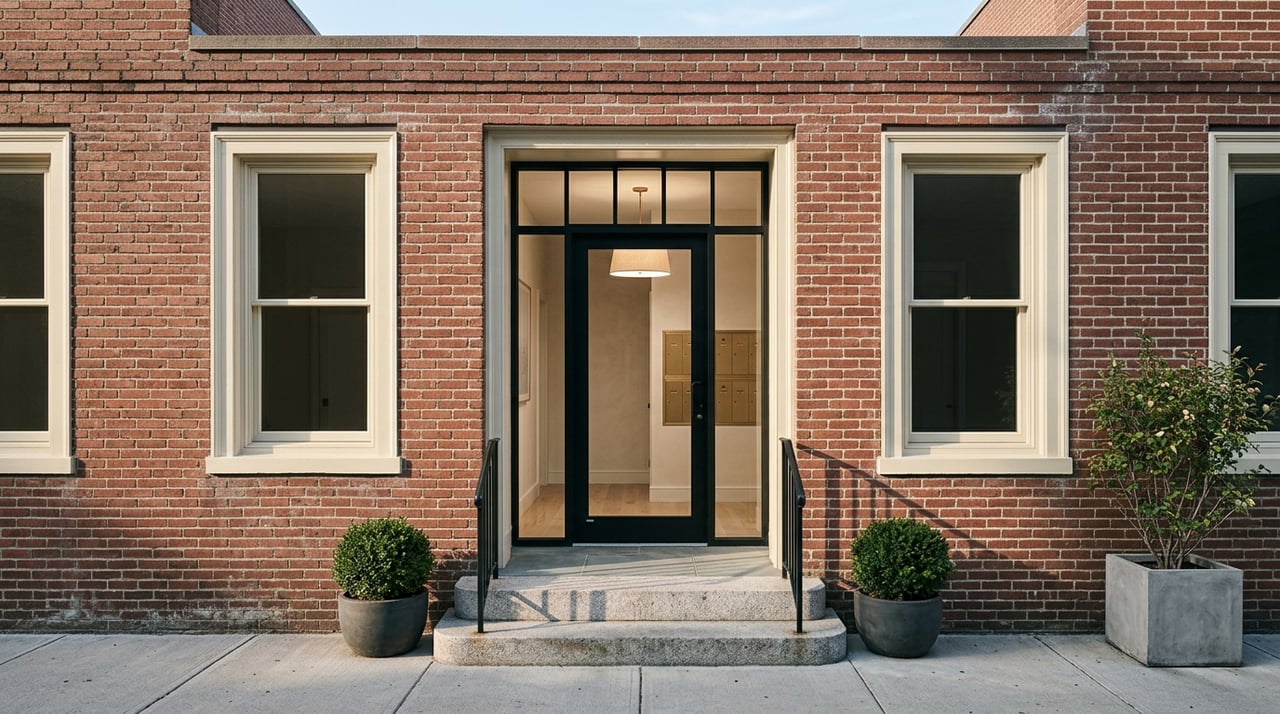
If you are coming from newer condo buildings or suburban homes, North End waterfront housing may feel different right away. The neighborhood’s older housing stock and historic street pattern usually translate to more compact floor plans, less storage, and fewer conveniences like elevators or easy on-site parking.
That does not mean homes lack charm. In many cases, the appeal is exactly the opposite. You get historic brick buildings, established streetscapes, and a scale that feels hard to replicate in newer developments.
Still, it is important to match the home to your priorities. If you want oversized closets, wide-open layouts, or a long list of building amenities, you may need to adjust your expectations in the North End.
Who North End waterfront living tends to suit
Boston’s 2025 neighborhood profile shows a population with a large share of residents between ages 18 and 34, and a high percentage of adults with bachelor’s degrees or higher. Combined with the neighborhood’s built form, that points to an area that often appeals to professionals, couples, and downsizers looking for an urban lifestyle.
In practical terms, this is usually a fit for people who value location and experience over square footage. If you want walkability, dining, and waterfront access at your doorstep, the tradeoff in space may feel well worth it.
If your top priorities are a larger footprint, simpler car storage, or a quieter setting, you may find the North End more challenging day to day. Lifestyle fit matters here as much as the property itself.
Walkability is a major advantage
One of the strongest reasons people choose the North End waterfront is how easy it is to get around on foot. Even though there is no subway station inside the neighborhood itself, MBTA guidance notes that Haymarket and North Station are a quick walk away, and Aquarium Station is also within walking distance for nearby destinations.
North Station adds useful transit connections through the Orange Line, Green Line, and Commuter Rail. Long Wharf North also offers ferry access to the Boston Harbor Islands, which adds another layer of connection to the water.
For many residents, this means a car is optional for much of daily life. Running errands, meeting friends, getting to transit, and enjoying the harbor can all happen without driving.
Parking is one of the biggest friction points
Walkability is a real advantage, but it does not erase the parking issue. The city’s outdoor dining program for the North End created resident parking alternatives in partner garages because resident parking supply was reduced, which highlights how persistent parking pressure can be in this area.
If you own a car, this should be part of your decision from the start. You will want to think carefully about whether your building offers parking, whether nearby garage options are realistic for your routine, and how much inconvenience you are willing to accept.
For some buyers, this is manageable because they drive rarely. For others, it becomes the biggest reason the neighborhood does not work long term.
Seasonal energy is part of the package
The North End is lively year-round, but summer brings a different level of activity. Boston notes that the neighborhood hosts more than a dozen Italian feasts, festivals, and processions each summer, and annual events like the Patriots’ Day Parade and Columbus Day Parade can also bring road closures and traffic delays.
For many people, this is part of the charm. The neighborhood feels animated, social, and full of tradition, with restaurants, cafes, and public spaces that stay active.
The flip side is less predictability. Visitors, noise, and heavier street activity are part of the reality, especially if you live close to the most active blocks or waterfront gathering areas.
Dining and recreation shape the lifestyle
The North End is known for its restaurants and old-world cafes, and that food scene becomes part of everyday living when you are nearby. Instead of planning a special outing, you may find that dinner, coffee, or dessert is simply part of your evening walk.
The neighborhood also has recreation woven into its urban fabric. Local assets include Steriti Ice Rink, Mirabella Pool overlooking the harbor, bocce courts, and pocket parks that create useful breaks in the density.
This is one reason the area attracts people who want a full lifestyle, not just a place to sleep. You are buying into a routine shaped by walkability, waterfront access, and neighborhood energy.
Flood risk is an important tradeoff
Waterfront living in the North End also requires a practical conversation about coastal exposure. Boston’s coastal resilience planning specifically studies flooding in Downtown and the North End from sea-level rise and storms, including risks tied to storm surge, wave action, and flood pathways.
This is not just a future planning issue. It is a current factor that should shape how you evaluate a property, a building, and your long-term comfort level with the location.
If you are considering a purchase, it is smart to look beyond the view and ask detailed questions about building-level resilience, flood mitigation measures, and insurance considerations. In this part of Boston, those questions are part of informed decision-making.
Weighing the North End waterfront tradeoffs
At its best, North End waterfront living offers a rare combination of history, harbor access, restaurant culture, and true walkability. It can feel deeply Boston in a way that few neighborhoods do.
The tradeoffs are just as real. Homes often run smaller, parking can be difficult, seasonal crowds are part of daily life, and coastal risk needs to be taken seriously.
That is why this neighborhood works best when your lifestyle priorities are clear. If you value energy, charm, and location over ease and extra space, the North End waterfront can be a very compelling fit.
If you are weighing a move in or out of the North End, working with someone who understands Boston’s micro-markets can make the decision much clearer. For tailored guidance on buying, selling, renting, or pricing a home in this neighborhood, connect with Samantha Berdinka.
FAQs
Is North End waterfront living walkable for daily errands and commuting?
- Yes. The neighborhood is highly walkable, and Haymarket, North Station, and nearby Aquarium Station are all within walking distance depending on your exact location.
Is parking difficult in the North End waterfront area?
- Yes. Parking is a common challenge, and the city has even created resident parking alternatives during outdoor dining seasons to help offset reduced parking supply.
Are North End waterfront homes usually large?
- Usually not. Many homes are in older historic brick buildings, so compact layouts, less storage, and fewer modern conveniences are common compared with newer condo districts.
Does North End waterfront living get crowded during the year?
- Yes. The neighborhood is a popular destination and hosts many summer feasts, festivals, and processions, which can bring more visitors, noise, and road closures.
Is flood risk a real concern for North End waterfront property?
- Yes. Boston’s coastal resilience planning identifies the Downtown and North End area as part of its flood planning work related to sea-level rise, storm surge, wave action, and flood pathways.